


JARVIS by Staqu is an AI-powered platform that transforms CCTV cameras into intelligent business tools. From footfall analytics for retailers and restaurant video analytics for hospitality businesses to manufacturing security AI software for industrial environments, JARVIS delivers real-time insights that improve security, efficiency, and decision-making across operations.
- Prefer to not disclose my Gender
- 02/02/1990
- Followed by 0 people
Recent Updates
- AI for Livestock Monitoring: How Animal Detection Improves Safety and Operations in Veterinary Facilities
A veterinary hospital cannot station a staff member at every kennel door around the clock. An animal shelter with eighty animals across four wings cannot monitor every enclosure simultaneously during a busy Saturday adoption event.
A pet boarding facility cannot guarantee that every animal stays within its designated zone through periodic rounds alone. A zoo cannot have a keeper watching every enclosure continuously during the hours between scheduled checks.
These are not failures of management. They are the operational realities that camera-based AI for livestock monitoring is specifically designed to address. While commonly associated with security, animal detection through video analytics is highly valuable for veterinary hospitals, animal shelters, pet boarding facilities, and zoos, helping monitor animal movement, detect overcrowding, ensure animals remain within designated zones, and improve overall safety and operational efficiency without constant manual supervision.
Technology does not replace the people who care for these animals. It gives them the continuous operational visibility that staffing ratios alone cannot provide, from cameras that most facilities already have installed and running.
JARVIS by Staqu delivers computer vision analytics across multiple sectors, including environments where animal detection, zone monitoring, and movement tracking are operationally relevant.
The same platform architecture that monitors human footfall in retail stores and perimeter security in manufacturing plants applies directly to animal movement monitoring in veterinary and animal care contexts.
The platform is deployed across environments in India, the UK, the Middle East, South Africa, and the US. INC42 covered Staqu as part of its reporting on India’s AI and CCTV surveillance sector.
See how AI transforms animal monitoring from manual checks to real-time intelligence. Book a Demo.
https://www.staqu.com/
AI for Livestock Monitoring: How Animal Detection Improves Safety and Operations in Veterinary Facilities A veterinary hospital cannot station a staff member at every kennel door around the clock. An animal shelter with eighty animals across four wings cannot monitor every enclosure simultaneously during a busy Saturday adoption event. A pet boarding facility cannot guarantee that every animal stays within its designated zone through periodic rounds alone. A zoo cannot have a keeper watching every enclosure continuously during the hours between scheduled checks. These are not failures of management. They are the operational realities that camera-based AI for livestock monitoring is specifically designed to address. While commonly associated with security, animal detection through video analytics is highly valuable for veterinary hospitals, animal shelters, pet boarding facilities, and zoos, helping monitor animal movement, detect overcrowding, ensure animals remain within designated zones, and improve overall safety and operational efficiency without constant manual supervision. Technology does not replace the people who care for these animals. It gives them the continuous operational visibility that staffing ratios alone cannot provide, from cameras that most facilities already have installed and running. JARVIS by Staqu delivers computer vision analytics across multiple sectors, including environments where animal detection, zone monitoring, and movement tracking are operationally relevant. The same platform architecture that monitors human footfall in retail stores and perimeter security in manufacturing plants applies directly to animal movement monitoring in veterinary and animal care contexts. The platform is deployed across environments in India, the UK, the Middle East, South Africa, and the US. INC42 covered Staqu as part of its reporting on India’s AI and CCTV surveillance sector. See how AI transforms animal monitoring from manual checks to real-time intelligence. Book a Demo. https://www.staqu.com/1 Comments 0 Shares - Hospital Video Analytics Software is helping healthcare organizations move beyond traditional CCTV systems by adding real-time intelligence to existing camera infrastructure.
Unlike standard surveillance that only records incidents for later review, AI-powered hospital video analytics software can identify critical events as they happen. It can help hospitals detect patient falls, monitor ward occupancy, manage OPD queues, track hygiene compliance, identify unauthorized access, and generate real-time alerts for staff.
The biggest advantage of video analytics in healthcare is continuous monitoring. Hospitals operate 24/7, but staff cannot manually observe every ward, corridor, or patient area at all times. AI-based analytics helps bridge this visibility gap by assisting healthcare teams in responding faster to safety and operational challenges.
One example is JARVIS by Staqu Technologies, which uses AI-powered video analytics to transform existing CCTV systems into intelligent monitoring solutions for hospitals, enabling features like fall detection, patient safety monitoring, compliance tracking, and operational insights.
As healthcare becomes more technology-driven, hospital video analytics software is becoming an important tool for improving patient safety, operational efficiency, and overall hospital management.
Learn More at: https://www.staqu.com/Hospital Video Analytics Software is helping healthcare organizations move beyond traditional CCTV systems by adding real-time intelligence to existing camera infrastructure. Unlike standard surveillance that only records incidents for later review, AI-powered hospital video analytics software can identify critical events as they happen. It can help hospitals detect patient falls, monitor ward occupancy, manage OPD queues, track hygiene compliance, identify unauthorized access, and generate real-time alerts for staff. The biggest advantage of video analytics in healthcare is continuous monitoring. Hospitals operate 24/7, but staff cannot manually observe every ward, corridor, or patient area at all times. AI-based analytics helps bridge this visibility gap by assisting healthcare teams in responding faster to safety and operational challenges. One example is JARVIS by Staqu Technologies, which uses AI-powered video analytics to transform existing CCTV systems into intelligent monitoring solutions for hospitals, enabling features like fall detection, patient safety monitoring, compliance tracking, and operational insights. As healthcare becomes more technology-driven, hospital video analytics software is becoming an important tool for improving patient safety, operational efficiency, and overall hospital management. Learn More at: https://www.staqu.com/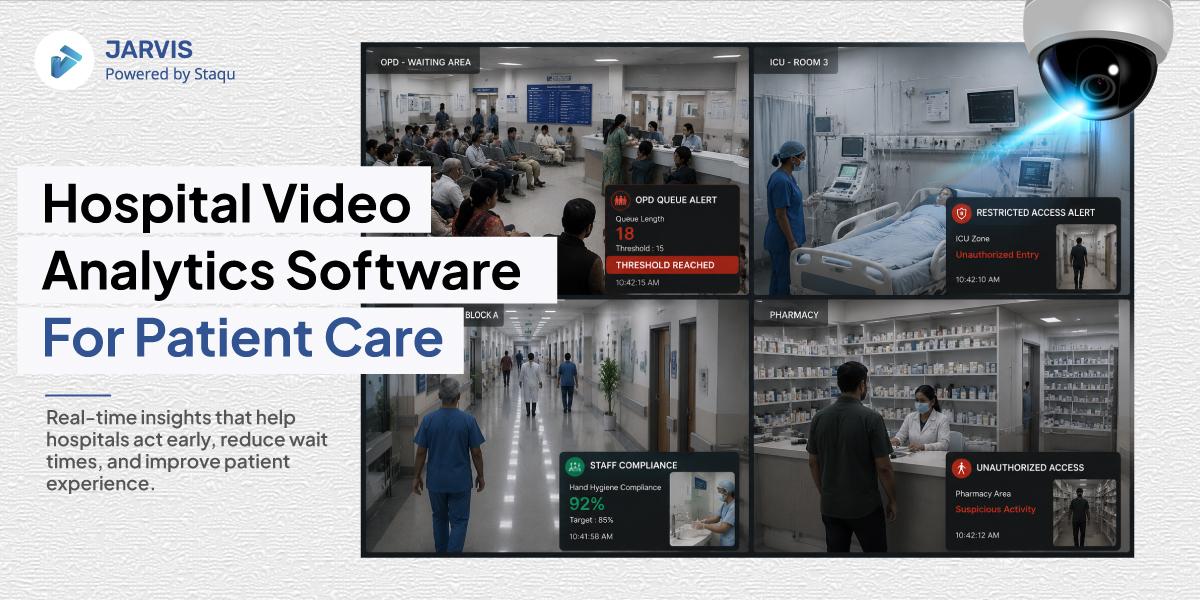 1 Comments 0 Shares
 - How Is AI in Manufacturing Industry Reducing Costs and Improving Factory Safety in 2026?
Manufacturing is moving beyond automation. Today, AI in Manufacturing Industry is helping factories improve safety, reduce downtime, optimize production, and make faster operational decisions using existing CCTV infrastructure. Rather than simply recording incidents, AI-powered systems analyze live video feeds and generate actionable insights in real time.
Here are some of the most valuable use cases being adopted in 2026:
1. PPE Compliance Monitoring
AI detects whether workers are wearing helmets, gloves, safety vests, and other mandatory protective gear, helping safety teams respond immediately instead of discovering violations during inspections.
2. Fire and Smoke Detection
Visual AI can identify smoke and flames directly from camera feeds, often providing earlier warnings than traditional monitoring methods, which can significantly reduce potential damage.
3. Perimeter & Restricted Zone Security
Modern video analytics for manufacturing can automatically detect unauthorized entry, restricted-area breaches, and suspicious activity without relying solely on security personnel.
4. Vehicle Access Management
ANPR technology automates vehicle entry and exit, tracks deliveries, and helps improve logistics efficiency across large manufacturing facilities.
5. Production Line Monitoring
Using real time manufacturing analytics software, manufacturers can monitor conveyor belts, identify bottlenecks, detect idle equipment, and improve overall production efficiency.
6. Attendance & Access Control
AI-powered facial recognition helps eliminate proxy attendance while ensuring that only authorized personnel enter sensitive production areas.
7. SOP & Hygiene Compliance
Food, pharmaceutical, and chemical manufacturers are increasingly using AI to monitor cleaning schedules and operational compliance with industry standards.
8. Multi-Plant Visibility
Manufacturing analytics software enables operations teams to monitor multiple factories from a single dashboard, making it easier to identify issues and maintain consistent performance across locations.
9. Edge AI for Remote Facilities
Plants with limited internet connectivity can still run AI locally, ensuring continuous monitoring and real-time alerts without depending entirely on cloud connectivity.
10. Turning CCTV into Operational Intelligence
Instead of using cameras only after an incident, AI transforms existing surveillance systems into a source of continuous operational insights, helping improve productivity, safety, and decision-making.
One example is JARVIS by Staqu Technologies, which is being used across manufacturing sectors including cement, power, petrochemicals, paints, FMCG, and automotive. Instead of requiring new camera installations, it works with existing CCTV infrastructure to monitor PPE compliance, detect fire and smoke, secure restricted areas, automate vehicle management, and provide centralized operational visibility. This demonstrates how AI can extend the value of existing surveillance investments rather than replacing them.
As more manufacturers adopt Industry 4.0 practices, AI-powered video analytics is evolving from a security tool into an operational intelligence platform that supports safer workplaces, higher productivity, and better decision-making.
How Is AI in Manufacturing Industry Reducing Costs and Improving Factory Safety in 2026? Manufacturing is moving beyond automation. Today, AI in Manufacturing Industry is helping factories improve safety, reduce downtime, optimize production, and make faster operational decisions using existing CCTV infrastructure. Rather than simply recording incidents, AI-powered systems analyze live video feeds and generate actionable insights in real time. Here are some of the most valuable use cases being adopted in 2026: 1. PPE Compliance Monitoring AI detects whether workers are wearing helmets, gloves, safety vests, and other mandatory protective gear, helping safety teams respond immediately instead of discovering violations during inspections. 2. Fire and Smoke Detection Visual AI can identify smoke and flames directly from camera feeds, often providing earlier warnings than traditional monitoring methods, which can significantly reduce potential damage. 3. Perimeter & Restricted Zone Security Modern video analytics for manufacturing can automatically detect unauthorized entry, restricted-area breaches, and suspicious activity without relying solely on security personnel. 4. Vehicle Access Management ANPR technology automates vehicle entry and exit, tracks deliveries, and helps improve logistics efficiency across large manufacturing facilities. 5. Production Line Monitoring Using real time manufacturing analytics software, manufacturers can monitor conveyor belts, identify bottlenecks, detect idle equipment, and improve overall production efficiency. 6. Attendance & Access Control AI-powered facial recognition helps eliminate proxy attendance while ensuring that only authorized personnel enter sensitive production areas. 7. SOP & Hygiene Compliance Food, pharmaceutical, and chemical manufacturers are increasingly using AI to monitor cleaning schedules and operational compliance with industry standards. 8. Multi-Plant Visibility Manufacturing analytics software enables operations teams to monitor multiple factories from a single dashboard, making it easier to identify issues and maintain consistent performance across locations. 9. Edge AI for Remote Facilities Plants with limited internet connectivity can still run AI locally, ensuring continuous monitoring and real-time alerts without depending entirely on cloud connectivity. 10. Turning CCTV into Operational Intelligence Instead of using cameras only after an incident, AI transforms existing surveillance systems into a source of continuous operational insights, helping improve productivity, safety, and decision-making. One example is JARVIS by Staqu Technologies, which is being used across manufacturing sectors including cement, power, petrochemicals, paints, FMCG, and automotive. Instead of requiring new camera installations, it works with existing CCTV infrastructure to monitor PPE compliance, detect fire and smoke, secure restricted areas, automate vehicle management, and provide centralized operational visibility. This demonstrates how AI can extend the value of existing surveillance investments rather than replacing them. As more manufacturers adopt Industry 4.0 practices, AI-powered video analytics is evolving from a security tool into an operational intelligence platform that supports safer workplaces, higher productivity, and better decision-making.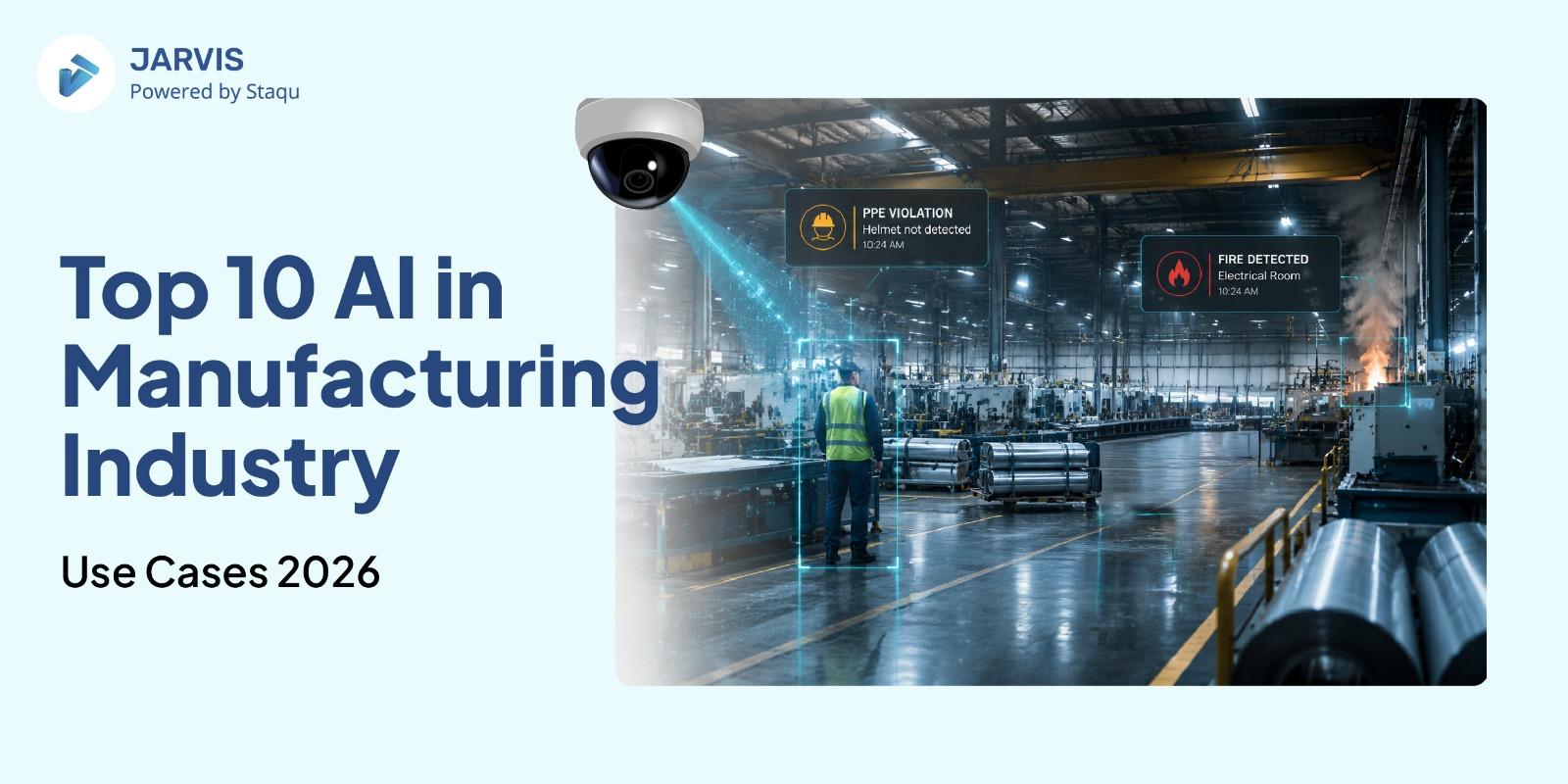 2 Comments 0 Shares
 - What Is Restaurant Video Analytics?
Restaurants and QSRs often struggle with long wait times, inefficient table allocation, and staff deployment challenges. Traditional CCTV cameras record events but don’t provide actionable insights in real time.
Restaurant video analytics transforms existing CCTV footage into an operational intelligence system. It continuously tracks customer behavior, footfall, dwell time, queue lengths, and staff performance, helping managers spot issues before they escalate. For instance, if a queue is building, the system allows staff to intervene proactively, reducing customer abandonment. Heatmaps and peak-hour analysis reveal which areas of the restaurant are most used, guiding decisions around staff allocation, menu placement, and table management.
By analyzing demographic patterns and real-time activity, operators can optimize operations, improve service efficiency, and enhance the dining experience. Platforms like JARVIS by Staqu Technologies show how this intelligence can be layered onto existing cameras, turning passive video into actionable insights.
Applied effectively, restaurant video analytics enables data-driven decisions that improve both operational performance and customer satisfaction, without additional hardware or intrusive monitoring.
Explore More: https://www.staqu.com/
What Is Restaurant Video Analytics? Restaurants and QSRs often struggle with long wait times, inefficient table allocation, and staff deployment challenges. Traditional CCTV cameras record events but don’t provide actionable insights in real time. Restaurant video analytics transforms existing CCTV footage into an operational intelligence system. It continuously tracks customer behavior, footfall, dwell time, queue lengths, and staff performance, helping managers spot issues before they escalate. For instance, if a queue is building, the system allows staff to intervene proactively, reducing customer abandonment. Heatmaps and peak-hour analysis reveal which areas of the restaurant are most used, guiding decisions around staff allocation, menu placement, and table management. By analyzing demographic patterns and real-time activity, operators can optimize operations, improve service efficiency, and enhance the dining experience. Platforms like JARVIS by Staqu Technologies show how this intelligence can be layered onto existing cameras, turning passive video into actionable insights. Applied effectively, restaurant video analytics enables data-driven decisions that improve both operational performance and customer satisfaction, without additional hardware or intrusive monitoring. Explore More: https://www.staqu.com/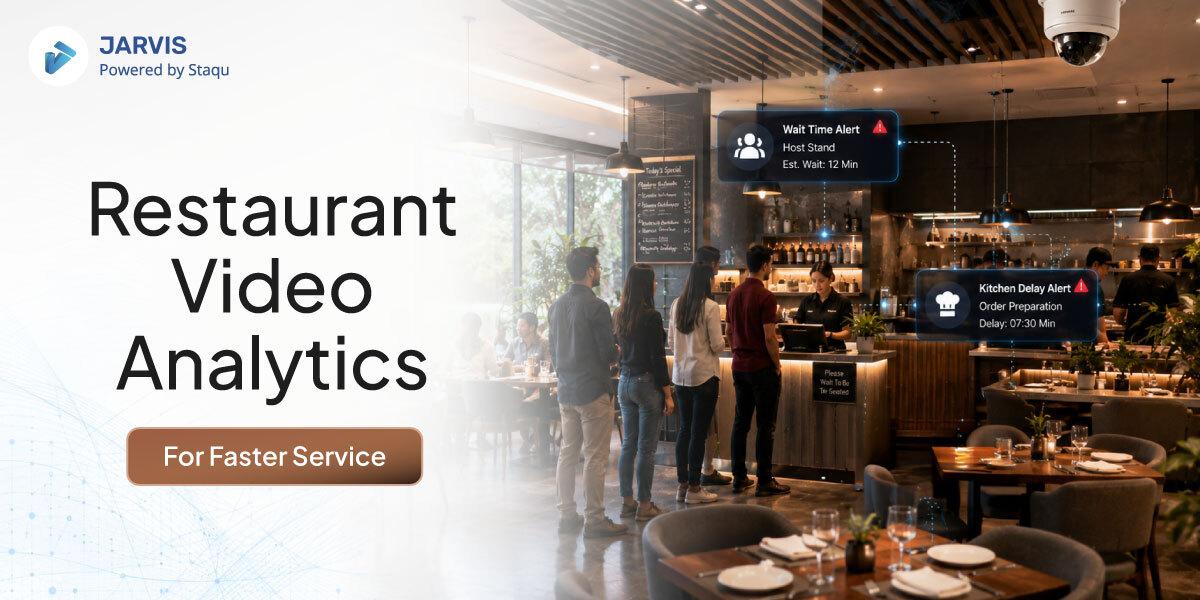 1 Comments 0 Shares
 - Footfall analytics: How Retailers Can Increase Footfall Without Opening New Stores?
Here is a question that should make any retail operator slightly uncomfortable: do you actually know why your footfall is what it is? Not roughly specifically. Do you know what percentage of the people who walked past your store entrance yesterday came in, and what percentage walked on? Do you know how many of the people who did come in left within two minutes without browsing, and what that number tells you about your window display or entrance merchandising? Do you know whether your Saturday footfall is genuinely improving or whether it looks better because your door counter is counting staff movements and repeat entries alongside actual visitors? Footfall analytics is the technology that turns these questions from rhetorical frustrations into operational data and for retailers across India, the UK, the Middle East, South Africa, and the US who have started using it seriously, the answers it produces are consistently more actionable and more commercially significant than most expected going in.
JARVIS by Staqu is the platform delivering this capability across live retail environments in all five markets. Deployed across Metro Brands, Manyavar, Skechers, Kama Ayurveda, Biba, Rare Rabbit, Titan Eye Plus, Mokobara, Blackberrys, Orra, Libas, and Siyarams across fashion, footwear, lifestyle, accessories, and specialty retail, JARVIS connects to existing CCTV cameras and generates over 100 analytics data points simultaneously. Unique visitor counting at over 99 percent accuracy. Zone-level heatmaps showing where customers go and don’t go. Dwell time analytics showing where engagement is genuinely happening. Conversion rate tracking by hour and by zone. Queue monitoring that flags abandonment before it accumulates into lost revenue. Demographic profiling of who is actually walking through the door. Group footfall analytics tracking how groups move and behave differently from individual shoppers. And POS comparison that surfaces the discrepancies between in-store activity and transaction data that point toward theft. Metro Brands, India’s largest listed footwear retailer, documented a 23 percent reduction in OPEX after deploying JARVIS. The footfall-to-conversion improvement documented across JARVIS retail deployments is up to 30 percent. These are not projections. They are results from cameras those retailers already owned.
Why Your Footfall Number Is Probably Wrong And Why It Matters?
This is the point where retailers who have been in the industry for years sometimes push back. They’ve had door counters for years. They know their footfall. The numbers are part of the weekly review pack.
Use footfall analytics to unlock hidden store growth – Book a Demo with JARVIS by Staqu.
Visit: https://www.staqu.com/Footfall analytics: How Retailers Can Increase Footfall Without Opening New Stores? Here is a question that should make any retail operator slightly uncomfortable: do you actually know why your footfall is what it is? Not roughly specifically. Do you know what percentage of the people who walked past your store entrance yesterday came in, and what percentage walked on? Do you know how many of the people who did come in left within two minutes without browsing, and what that number tells you about your window display or entrance merchandising? Do you know whether your Saturday footfall is genuinely improving or whether it looks better because your door counter is counting staff movements and repeat entries alongside actual visitors? Footfall analytics is the technology that turns these questions from rhetorical frustrations into operational data and for retailers across India, the UK, the Middle East, South Africa, and the US who have started using it seriously, the answers it produces are consistently more actionable and more commercially significant than most expected going in. JARVIS by Staqu is the platform delivering this capability across live retail environments in all five markets. Deployed across Metro Brands, Manyavar, Skechers, Kama Ayurveda, Biba, Rare Rabbit, Titan Eye Plus, Mokobara, Blackberrys, Orra, Libas, and Siyarams across fashion, footwear, lifestyle, accessories, and specialty retail, JARVIS connects to existing CCTV cameras and generates over 100 analytics data points simultaneously. Unique visitor counting at over 99 percent accuracy. Zone-level heatmaps showing where customers go and don’t go. Dwell time analytics showing where engagement is genuinely happening. Conversion rate tracking by hour and by zone. Queue monitoring that flags abandonment before it accumulates into lost revenue. Demographic profiling of who is actually walking through the door. Group footfall analytics tracking how groups move and behave differently from individual shoppers. And POS comparison that surfaces the discrepancies between in-store activity and transaction data that point toward theft. Metro Brands, India’s largest listed footwear retailer, documented a 23 percent reduction in OPEX after deploying JARVIS. The footfall-to-conversion improvement documented across JARVIS retail deployments is up to 30 percent. These are not projections. They are results from cameras those retailers already owned. Why Your Footfall Number Is Probably Wrong And Why It Matters? This is the point where retailers who have been in the industry for years sometimes push back. They’ve had door counters for years. They know their footfall. The numbers are part of the weekly review pack. Use footfall analytics to unlock hidden store growth – Book a Demo with JARVIS by Staqu. Visit: https://www.staqu.com/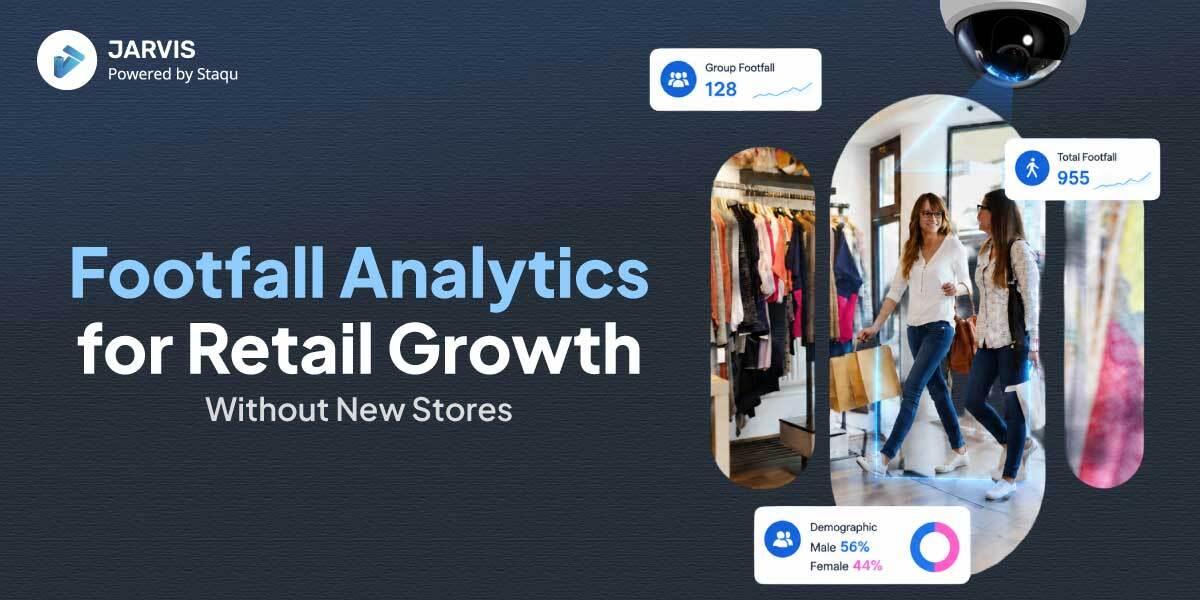 0 Comments 0 Shares
 - Footfall analytics: How Retailers Can Increase Footfall Without Opening New Stores?
AI-based emergency response software systems are transforming emergency care in Indian hospitals by enabling faster clinical decisions, improving patient safety, and streamlining hospital operations. These platforms integrate AI-powered patient monitoring, early warning systems, emergency department management, ambulance coordination, hospital command centers, and clinical decision support to deliver real-time insights for healthcare professionals.
Using advanced analytics, machine learning, and IoT-enabled medical devices, these solutions can detect patient deterioration, generate automated emergency alerts, optimize bed and resource allocation, monitor ICU patients, and support rapid response teams. Many platforms also integrate with Hospital Information Management Systems (HIMS), Electronic Medical Records (EMR), nurse call systems, and diagnostic equipment to create a connected healthcare ecosystem. In India, providers such as Philips, GE HealthCare, Dozee, Tricog, HealthPlix, and other digital health companies are helping hospitals improve emergency response times, operational efficiency, and patient outcomes through AI-driven technologies.
Read More: https://www.staqu.com/blog-footfall-analytics-retail-growth-without-new-stores/Footfall analytics: How Retailers Can Increase Footfall Without Opening New Stores? AI-based emergency response software systems are transforming emergency care in Indian hospitals by enabling faster clinical decisions, improving patient safety, and streamlining hospital operations. These platforms integrate AI-powered patient monitoring, early warning systems, emergency department management, ambulance coordination, hospital command centers, and clinical decision support to deliver real-time insights for healthcare professionals. Using advanced analytics, machine learning, and IoT-enabled medical devices, these solutions can detect patient deterioration, generate automated emergency alerts, optimize bed and resource allocation, monitor ICU patients, and support rapid response teams. Many platforms also integrate with Hospital Information Management Systems (HIMS), Electronic Medical Records (EMR), nurse call systems, and diagnostic equipment to create a connected healthcare ecosystem. In India, providers such as Philips, GE HealthCare, Dozee, Tricog, HealthPlix, and other digital health companies are helping hospitals improve emergency response times, operational efficiency, and patient outcomes through AI-driven technologies. Read More: https://www.staqu.com/blog-footfall-analytics-retail-growth-without-new-stores/0 Comments 0 Shares - Most businesses already have CCTV cameras. The challenge is that traditional cameras only record incidents, they don't help prevent them.
At Staqu Technologies, we believe every camera should be able to think. That's why we built JARVIS, an AI video analytics platform that transforms existing surveillance systems into intelligent business tools.
From facial recognition for secure access and attendance to footfall analytics that helps retailers understand customer behavior, JARVIS delivers real-time insights that improve security, operational efficiency, and decision-making. Organizations across retail, manufacturing, healthcare, hospitality, smart cities, and the public sector use JARVIS to unlock the full potential of their existing camera infrastructure.
As one of the best video analytics solution providers, Staqu Technologies is helping businesses across India, the USA, the UK, and the Middle East move beyond passive surveillance and embrace AI-powered intelligence.
Follow us for insights on AI, computer vision, intelligent surveillance, and the future of video analytics.
Visit Website to Learn More: https://www.staqu.com/
Most businesses already have CCTV cameras. The challenge is that traditional cameras only record incidents, they don't help prevent them. At Staqu Technologies, we believe every camera should be able to think. That's why we built JARVIS, an AI video analytics platform that transforms existing surveillance systems into intelligent business tools. From facial recognition for secure access and attendance to footfall analytics that helps retailers understand customer behavior, JARVIS delivers real-time insights that improve security, operational efficiency, and decision-making. Organizations across retail, manufacturing, healthcare, hospitality, smart cities, and the public sector use JARVIS to unlock the full potential of their existing camera infrastructure. As one of the best video analytics solution providers, Staqu Technologies is helping businesses across India, the USA, the UK, and the Middle East move beyond passive surveillance and embrace AI-powered intelligence. Follow us for insights on AI, computer vision, intelligent surveillance, and the future of video analytics. Visit Website to Learn More: https://www.staqu.com/0 Comments 1 Shares
More Stories