
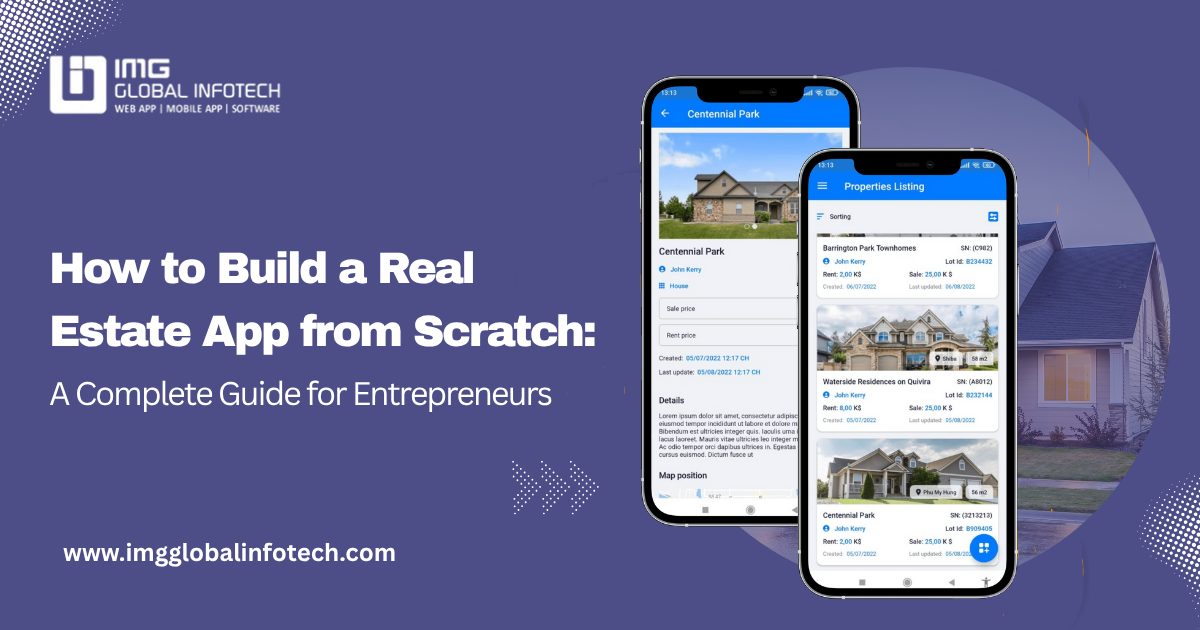
In an era where convenience drives every industry, the real estate sector is no exception. With property searches and transactions rapidly shifting online, mobile applications have become the backbone of the modern real estate business. Entrepreneurs are increasingly looking to build real estate apps from scratch to connect buyers, sellers, and agents more effectively. If you’re an entrepreneur eager to tap into this lucrative market, this complete guide will walk you through the entire process — from ideation to deployment.
Why Entrepreneurs Should Invest in Real Estate App Development
The real estate industry is evolving at a fast pace, and digital transformation is its biggest catalyst. In 2025, nearly 80% of property buyers begin their search online, often using mobile apps. Platforms like Zillow, Trulia, and Realtor.com have demonstrated how digital tools can reshape the property ecosystem.
By developing a custom real estate app, entrepreneurs can:
- Streamline communication between buyers, sellers, and agents.
- Offer personalized property recommendations using data analytics.
- Simplify transactions with secure payment gateways.
- Expand brand reach and build customer trust.
- Create new revenue streams through advertising, subscriptions, and listings.
Simply put, a well-built app allows you to scale your business and position your brand as a tech-driven market leader.
Step 1: Conduct Market Research and Identify Your Niche
Before jumping into development, thorough research is key. Understand your target audience and competitors. Are you focusing on residential properties, commercial listings, or rentals? Each segment has unique user needs.
Analyze successful apps like Zillow or Trulia — what features do they offer, and where can you innovate? Gathering insights about user pain points, preferences, and market gaps will help you define a strong unique selling proposition (USP).
Step 2: Define Key Features for Your Real Estate App
The success of your app largely depends on its functionality. Here are the must-have features for a modern real estate app:
1. User Registration and Profiles
Allow buyers, sellers, and agents to create personalized profiles for a more tailored experience.
2. Advanced Search and Filters
Enable users to search properties by location, budget, amenities, or size. A powerful filtering system saves time and enhances satisfaction.
3. Interactive Map Integration
Integrate Google Maps or Mapbox to provide users with property locations, nearby amenities, and neighborhood data.
4. Virtual Tours and High-Quality Images
Enhance engagement through AR/VR-based virtual tours and HD visuals that bring properties to life.
5. Mortgage and Loan Calculator
Help users calculate affordability, EMIs, and interest rates directly within the app.
6. Push Notifications
Notify users of new listings, price drops, or promotional offers in real time.
7. Chat and Call Integration
Allow seamless communication between buyers and agents via in-app messaging or calls.
8. Favorites and Comparison Tools
Let users save properties for later and compare multiple listings side by side.
9. Admin Dashboard
Give administrators full control over listings, analytics, and user management.
10. AI-Powered Recommendations
Use machine learning algorithms to suggest properties based on user preferences and browsing history.
Step 3: Choose the Right Technology Stack
A strong tech foundation ensures your app performs seamlessly. Your technology stack will depend on your app’s scale, features, and audience. Here’s a recommended stack for real estate app development:
- Frontend: Flutter, React Native (for cross-platform development)
- Backend:js, Django, or Laravel
- Database: MongoDB, PostgreSQL, or MySQL
- Cloud Services: AWS, Azure, or Google Cloud
- APIs: Google Maps API, Twilio (for chat), Stripe/PayPal (for payments)
- AI/AR Tools: TensorFlow, ARKit, or Unity
This combination ensures scalability, fast performance, and compatibility across devices.
Step 4: Focus on UI/UX Design
Your app’s user interface (UI) and user experience (UX) define how effectively users interact with it. An intuitive design boosts engagement and retention.
- Keep the layout clean and visually appealing.
- Prioritize high-quality images and easy navigation.
- Ensure quick load times for property pages.
- Use a color scheme that reflects trust and professionalism.
A great design doesn’t just look good — it builds credibility and helps users make faster decisions.
Step 5: Develop and Test the App
Once your designs are ready, move on to the development phase. This involves setting up the backend, integrating APIs, and building the frontend interface.
After development, conduct comprehensive testing to detect bugs, security issues, and performance bottlenecks. Testing should cover:
- Functionality
- Usability
- Compatibility across devices
- Security and data encryption
A seamless experience ensures that users trust your platform and come back for future transactions.
Step 6: Launch, Market, and Maintain
After rigorous testing, it’s time to launch your app on platforms like Google Play Store and Apple App Store. However, launching is just the beginning — continuous marketing and maintenance are key to growth.
Promote your app through social media, SEO, and partnerships with real estate agencies. Gather user feedback to roll out timely updates and new features.
How Much Does It Cost to Build a Real Estate App from Scratch?
The cost of building a real estate app depends on the complexity, features, and development region. Here’s a general cost breakdown:
- Basic App: $25,000 – $40,000 (limited features, simple UI)
- Mid-Level App: $40,000 – $70,000 (includes maps, chat, and mortgage tools)
- Advanced App: $80,000 – $120,000+ (AI, AR/VR, and analytics integration)
Hiring a reliable development company like IMG Global Infotech ensures cost efficiency and top-quality output. Their team specializes in real estate app development, offering end-to-end solutions — from design to deployment — tailored to your business needs.
Step 7: Monetization Strategies for Entrepreneurs
To generate steady revenue from your app, consider these monetization models:
- Featured Listings: Charge agents or sellers to promote properties.
- Subscription Plans: Offer premium features for realtors.
- Advertisements: Display targeted ads for home services or mortgage providers.
- Commission Model: Earn a percentage from completed deals.
A combination of these models ensures consistent income while providing value to users.
Why Choose IMG Global Infotech
IMG Global Infotech is a leading real estate app development company that empowers entrepreneurs to build high-performing, scalable, and visually stunning apps. Their expertise includes:
- Custom real estate app development
- AI, AR/VR, and CRM integration
- Secure payment and data systems
- Post-launch support and maintenance
With years of experience in real estate technology, IMG Global Infotech helps you transform your business vision into a powerful digital solution that connects properties and people effortlessly.
Final Thoughts
Building a real estate app from scratch may seem complex, but with the right strategy and technology partner, success is within reach. By focusing on user needs, modern design, and robust features, entrepreneurs can create an app that not only simplifies property transactions but also drives growth and brand recognition.
In 2025 and beyond, digital real estate platforms will continue to shape the future of property management and sales. Partner with IMG Global Infotech to build an innovative, future-ready real estate app — and turn your entrepreneurial vision into a profitable, tech-driven reality.