
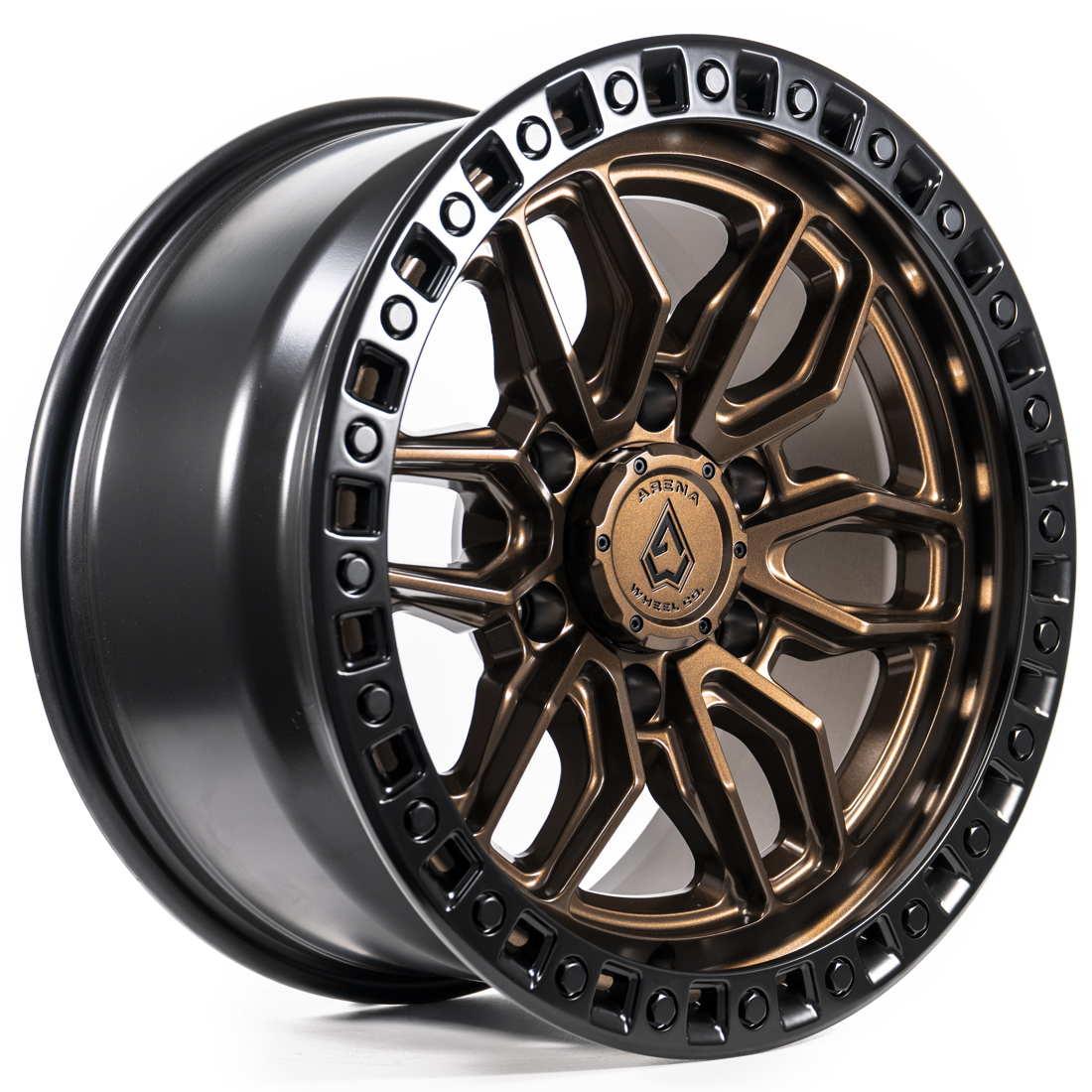
When people talk about car performance, they often think about engines, horsepower, or fuel economy. But the truth is, none of that matters if your wheels and tires aren’t in good shape. They’re the only parts of your vehicle that actually touch the road. Everything—your safety, comfort, braking power, and handling—depends on them.
If you’ve ever felt your car pulling to one side, noticed a sudden vibration, or heard a weird humming sound, chances are your wheels or tires are trying to tell you something. Many drivers ignore these small signs until things get serious, but paying attention early saves time and money.
Let’s break down everything you need to understand about wheels and tires in a simple, friendly way.
Why Wheels and Tires Matter More Than You Think
Most drivers only visit a tyre shop when something goes wrong. But wheels and tires affect almost every part of your driving experience:
-
How smoothly your car moves
-
How quickly your car can brake safely
-
How much fuel your car uses
-
How stable the vehicle feels at high speed
-
How long the suspension lasts
Good tyres can make even an older car feel stable and comfortable. Bad tyres can make a brand-new car feel unsafe.
Understanding the Difference Between Wheels and Tires
A lot of people mix these terms up. Here’s a quick, clear explanation:
Wheels
These are the metal rims that hold the tyre.
They come in different sizes, designs, and materials—mostly steel or alloy.
Tires
These are the rubber components that actually roll on the road.
The tyre tread, sidewall, and air pressure keep your car stable.
Both need attention. A beautiful alloy wheel with a worn-out tyre is still unsafe.
Signs Your Wheels and Tires Need Attention
1. Uneven Wear on the Tyres
If your tyres are bald on one side and fine on the other, your alignment is off.
2. Car Pulls to One Side
This often means a tyre is under-inflated or your wheels are misaligned.
3. Vibration in the Steering Wheel
This usually shows up at higher speeds and means your wheels need balancing.
4. Low Tyre Pressure
Driving on low pressure heats the tyre and reduces its lifespan.
5. Cracks, Bulges, or Cuts
These are clear signs you should replace the tyre immediately.
Choosing the Right Tires for Your Car
Picking the right tyre is more important than people realize. Here’s how to choose wisely:
Driving Conditions
If you mostly drive inside the city, comfort tyres work well.
For long trips, you might need more durable, heat-resistant tyres.
Weather
Hot climates wear tyres faster. Look for tyres designed to handle heat.
Tread Pattern
A deeper tread gives better grip.
Tyres with a quieter tread pattern make highway driving more comfortable.
Brand Quality
Well-known brands usually offer better life and safety.
Wheels: More Important Than Just Looks
Many people upgrade to alloy wheels just for style, but they offer performance benefits too:
Lighter Weight
Alloy wheels are lighter, which improves acceleration and braking.
Better Heat Control
They cool faster, which helps your tyres last longer.
Stronger Structure
Good wheels reduce stress on your suspension.
If your wheels are bent, scratched, or cracked, they can damage your tyres over time.
Why Wheel Alignment Matters
Wheel alignment is all about making sure your wheels point in the exact direction they’re supposed to.
When alignment is off, you might feel:
-
Your car drifting
-
Steering wheel sitting off-center
-
Faster tyre wear
A simple alignment check can save you a lot of money on new tyres.
What Wheel Balancing Does
Balancing makes sure your tyres spin smoothly without wobbling.
It prevents:
-
Vibration
-
Premature wear
-
Noise
If your steering shakes only when you hit 100–120 km/h, balancing is usually the issue.
How Often Should You Replace Your Tires?
It depends on:
-
Road conditions
-
Weather
-
Driving habits
-
Tyre quality
But a common rule is:
-
Replace every 40,000–50,000 km
-
Or every 4 years
Tyres harden with age, and old tyres lose grip even if they look fine.
Caring for Your Wheels and Tires
A little attention goes a long way. Here’s what you should do regularly:
Check Air Pressure Weekly
Low pressure damages tyres and increases fuel consumption.
Rotate Your Tyres
Switch front and rear tyres every 8,000–10,000 km to maintain even wear.
Get Alignment Done Twice a Year
Especially if you drive on rough or hot roads.
Avoid Potholes
They can bend wheels and damage sidewalls.
When Should You Visit a Tyre Shop?
Here’s a quick checklist:
-
You feel shaking in the steering
-
Your car keeps drifting left or right
-
Your tyres look worn out
-
You hear strange sounds
-
You see a visible puncture
Waiting only makes things worse. A quick check can prevent a blowout, which is extremely dangerous.
Common Questions Drivers Ask
1. Can one bad tyre affect the whole car?
Yes, one tyre can disturb balance, alignment, and braking.
2. Should I replace tyres in pairs?
Yes—always change either the front two or back two together.
3. Do wheels really matter for performance?
Absolutely. Wheel weight and design affect braking, comfort, and stability.
4. Are expensive tyres worth the money?
Usually yes, because premium tyres last longer and offer better grip.
5. How do I know my tyre size?
Check the sidewall—numbers like 225/50R17 tell you everything.
Final Thoughts
Your wheels and tires carry the full weight of your vehicle, so keeping them in good shape should never be ignored. Whether you’re dealing with uneven wear, low pressure, or you’re thinking about upgrading to better tyres, paying attention early makes your drive safer and smoother.
A well-maintained set of wheels and tyres gives you better control, better mileage, and a far more comfortable driving experience.
Whenever you need reliable guidance or professional tyre service, Tire Salun is always ready to help you keep your vehicle performing at its best.