
Why Dry Ice Blasting Is the Game-Changer for Industrial Cleaning
In today’s fast-paced industrial environment, companies require cleaning solutions that are efficient, safe, and environmentally responsible. Traditional cleaning methods, including chemical washes, high-pressure water, or abrasive blasting, often damage machinery, generate waste, and extend downtime. This is why Dry Ice Blasting has emerged as a modern solution. It effectively removes contaminants without chemicals, water, or abrasive materials, leaving surfaces clean and equipment intact.
How Dry Ice Blasting Cleans Equipment
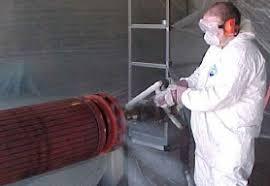
Dry ice blasting works by propelling solid CO₂ pellets at high speed onto contaminated surfaces using compressed air. The cleaning process relies on three main actions:
Kinetic Impact
The high-velocity pellets strike the surface, breaking the bond between dirt, grease, and the equipment.
Thermal Shock
The extreme cold of dry ice causes contaminants to shrink and separate from the surface.
Sublimation
Upon impact, the dry ice converts from solid to gas, creating micro-explosions that lift debris while leaving no secondary waste.
These combined actions allow for thorough cleaning without damaging sensitive equipment or surfaces.
Key Benefits of Dry Ice Blasting
Dry ice blasting offers several advantages over traditional cleaning methods:
Non-Abrasive
It removes stubborn contaminants without scratching, denting, or wearing down machinery or coatings.
Chemical-Free
Safe for electronics, food-processing equipment, and moisture-sensitive machinery.
Zero Secondary Waste
Dry ice evaporates completely, leaving only the removed debris behind, simplifying cleanup.
Minimal Downtime
Machines can often remain assembled during cleaning, keeping operations uninterrupted.
Eco-Friendly
Using recycled CO₂ reduces environmental impact and eliminates the need for harmful cleaning agents.
Safe for Electrical Systems
Moisture-free cleaning makes it ideal for wiring, motors, control panels, and sensitive electronic components.
Industries That Rely on Dry Ice Blasting
Dry ice blasting is widely used across numerous industrial sectors, including:
-
Food and beverage production and packaging
-
Automotive and aerospace manufacturing
-
Pharmaceutical and chemical industries
-
Power generation and energy facilities
-
Marine and shipyard maintenance
-
Printing, plastics, and molding operations
-
Restoration and remediation projects
Companies across these sectors value dry ice blasting for its efficiency, safety, and ability to maintain machinery performance.
Applications That Demonstrate Its Effectiveness
Industries use dry ice blasting to remove various contaminants, such as:
-
Oil, grease, and carbon buildup
-
Mold, mildew, and biological residues
-
Paint, adhesives, and coatings
-
Hardened resin, glue, and plastic residues
-
Soot, smoke, and fire damage
-
Rust, corrosion, and oxidation
-
Industrial production debris
It can clean complex machinery, molds, conveyor belts, and electrical components without disassembly or damage.
The Role of Professional Operators
Though dry ice blasting is highly effective, the results depend on skilled operators. Experienced technicians adjust blast pressure, pellet size, and nozzle angles based on the type of surface and contaminants. Professional service ensures efficient, safe, and precise cleaning while reducing downtime and protecting sensitive equipment.
Businesses seeking reliable industrial cleaning trust Top Dry Ice. Their team provides professional dry ice blasting services, ensuring equipment is cleaned safely and efficiently to maintain optimal performance.
A Modern, Efficient, and Sustainable Cleaning Solution
Dry ice blasting is transforming industrial cleaning by offering a fast, safe, and eco-friendly alternative to traditional methods. It effectively removes contaminants without water, chemicals, or abrasives, preserving machinery while minimizing downtime. With professional providers like Top Dry Ice, industries can maintain clean, safe, and highly efficient operations while supporting sustainable practices.