
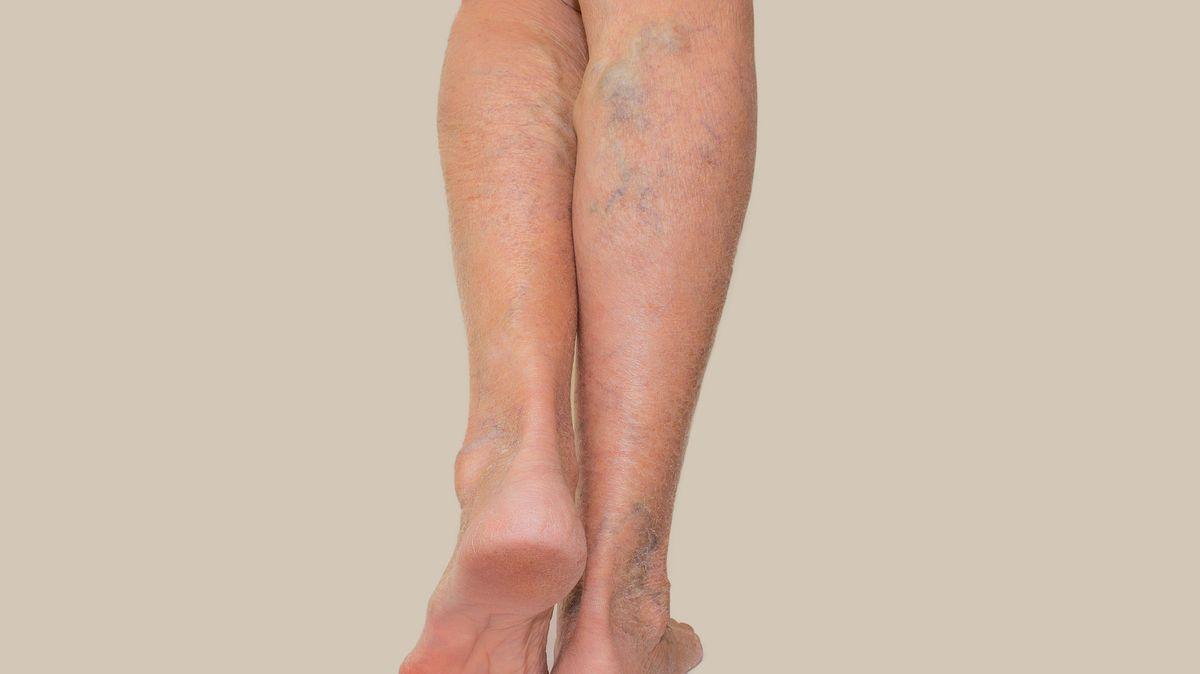
Varicose veins are a common concern for many people worldwide, and questions about their natural progression are widespread. Many wonder, can varicose veins disappear on their own without any medical intervention? This blog explores this question thoroughly while focusing on Varicose Veins Treatment (علاج الدوالي) options, debunking myths, and providing clear, useful information to help you understand your condition better.
What Are Varicose Veins?
Varicose veins are swollen, twisted veins visible just beneath the skin's surface. They commonly appear on the legs and can cause discomfort, swelling, or heaviness. The veins enlarge due to weakened vein walls and faulty valves that allow blood to flow backward and pool.
Can Varicose Veins Disappear on Their Own?
The short answer is no; once varicose veins develop, they typically do not disappear without some form of treatment. However, mild cases might improve slightly with lifestyle changes, but visible veins usually persist or worsen over time. Recognizing the importance of Varicose Veins Treatment early on can prevent complications.
Why Varicose Veins Don’t Resolve Spontaneously
The underlying causes — valve dysfunction and venous pressure — are structural and progressive. The varicose veins treatment aims to correct or remove these damaged veins. Without intervention, the condition often worsens due to gravity, inactivity, or genetic factors.
Common Symptoms and When to Seek Treatment
-
Aching or heavy legs
-
Visible, bulging veins
-
Swelling or skin changes
-
Itching or discomfort around veins
Early treatment can reduce symptoms and prevent progression.
Effective Varicose Veins Treatment Options
Several effective Varicose Veins Treatment methods exist with proven success, including:
Minimally Invasive Procedures: Endovenous Laser Therapy (EVLT)
This treatment uses laser energy to close off the affected veins, redirecting blood flow to healthier veins, reducing symptoms, and improving appearance.
Foam Sclerotherapy
A foam solution is injected into the vein to cause it to collapse and eventually dissolve.
Surgical Intervention
For severe cases, vein stripping or ligation might be necessary to remove problematic veins.
Pros and Cons of Common Treatments
| Treatment | Pros | Cons |
|---|---|---|
| EVLT | Minimally invasive, quick recovery | May cause temporary bruising |
| Foam Sclerotherapy | Simple, performed outpatient | Multiple sessions might be required |
| Surgery | Effective for severe varicose veins | Longer recovery and possible scarring |
Comparison: EVLT vs Foam Sclerotherapy
| Factors | EVLT | Foam Sclerotherapy |
|---|---|---|
| Procedure Type | Laser-based closure | Chemical injection |
| Duration | About 1 hour | 15-30 minutes |
| Pain Level | Mild discomfort | Minimal |
| Recovery | Few days | Immediate |
Lifestyle Changes That Support Treatment
Although Varicose Veins Treatment is important, some habits can complement recovery:
-
Regular exercise to improve circulation
-
Elevating legs when resting
-
Avoiding prolonged standing or sitting
-
Wearing compression stockings as advised
Risks of Leaving Varicose Veins Untreated
Ignoring varicose veins can lead to:
-
Skin ulcers
-
Blood clots
-
Chronic swelling
-
Increased pain and discomfort
These complications highlight the importance of monitoring and timely treatment.
The Role of Expert Care and EEAT Principles in Varicose Veins Treatment
Trusting qualified vascular specialists ensures reliable diagnosis and safe, effective treatments aligned with principles of Experience, Expertise, Authoritativeness, and Trustworthiness (EEAT). This approach is vital for optimal outcomes and patient satisfaction.
Why Choosing the Right Clinic Matters
Choosing a clinic renowned for advanced, patient-focused care guarantees the highest standards. The right environment ensures personalized treatment plans grounded in the latest clinical evidence.
Call to Action
If you or someone you know is struggling with varicose veins, don’t wait for them to worsen. Contact Royal Clinic Saudia (العيادة رويال السعودية) today to explore trusted, professional Varicose Veins Treatment options designed just for you. Take control of your vein health now!
Frequently Asked Questions
What happens if varicose veins are left untreated?
Varicose veins can worsen and lead to discomfort, skin changes, or more serious complications like ulcers and blood clots.
Can exercise help improve varicose veins?
Yes, regular physical activity improves circulation, which helps manage symptoms but won't eliminate varicose veins entirely.
How long is recovery after laser treatment for varicose veins?
Most patients return to normal activities within a few days with minimal discomfort.
Are varicose veins hereditary?
Genetics can increase your risk, making some people more prone to developing varicose veins.
Understanding Related Terms and Treatments
When discussing varicose veins, it helps to clarify related terms such as chronic venous insufficiency, which describes poor blood flow in veins leading to varicose veins. Treatments like endovenous ablation and sclerotherapy are part of the wider umbrella of minimally invasive vein therapies. Understanding these terms and options empowers patients to make informed decisions.
Incorporating vascular health, venous disease management, and minimally invasive surgery concepts brings comprehensive clarity to the discussion on Varicose Veins Treatment.