
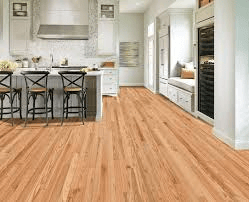
Hardwood flooring is not a product you can order sight-unseen and hope it works. Wood changes color and dimension with local humidity, subfloors vary dramatically from neighborhood to neighborhood, and installation techniques that succeed in one climate fail in another. Choosing installers who actually work in your immediate area means they already understand your region’s moisture swings, typical foundation types, and even the quirks of local building codes. A crew that regularly installs in your city will have relationships with nearby lumberyards, reclaimed-wood sources, and finish suppliers, which translates into faster scheduling, better pricing, and far fewer surprises.
How to Quickly Find the Best Local Hardwood Installers
Start with people who have already paid for the service you want. Ask neighbors, friends, or coworkers who have had floors done in the last twelve to eighteen months. Walk through recently renovated homes in your area and look at the finished work; most homeowners happily share who did the job when the floors look great. Hardwood floor installer stores and lumberyards that sell to contractors often keep short lists of their most reliable installers. Community social media groups and neighborhood message boards remain goldmines for recent recommendations and warnings. Collect at least five names before requesting quotes.
Questions You Must Ask Every Local Installer Before Hiring
Ask how many years they have been installing in your specific city or county. Request photos of at least three jobs completed within the last six months in homes similar to yours. Find out if they personally do the work or subcontract crews. Confirm they carry full liability and workers-compensation insurance and ask to see certificates. Inquire about moisture testing procedures for both wood and subfloor. Ask whether they acclimate materials inside the home for at least seven days before installation. Check if they provide written warranties on both materials and labor. The answers separate experienced local professionals from traveling crews who disappear when problems appear.
Common Local Subfloor Challenges Installers Already Know About
Regional differences dramatically affect preparation costs. Homes built before 1960 often have diagonal plank subfloors that require plywood overlay for stability. Post-1980 tract houses frequently sit on concrete slabs that need moisture barriers and leveling compound. Crawl-space homes in humid areas may need vapor retarders on the ground below. Basements finished in the 1970s and 1980s sometimes hide asbestos tile that requires licensed removal before new flooring goes down. Local installers have seen every variation hundreds of times and can spot issues during the estimate that out-of-area crews miss until the job is half done.
Material Sources Only Local Installers Usually Have Access To
Experienced crews maintain relationships with regional sawmills, reclaimed-wood salvagers, and overstock warehouses that never sell to the public. They can source wide-plank heart-pine from demolished factories, quarter-sawn white oak from closed schools, or perfectly matched replacement boards for historic renovations. Local lumberyards often hold special orders for regular contractors at lower prices than retail customers pay. Installers who know which distributor has fifty bundles of five-inch rift-sawn oak sitting in the back corner can save clients thousands compared to ordering the same wood online.
Typical Timeline for Hardwood Installation in Your Area
Most local professionals schedule three to ten days for an average house depending on scope. Day one involves delivery and acclimation of materials inside the home. Days two and three cover furniture moving, old-flooring removal, and subfloor prep. Installation itself runs two to five days for straightforward layouts and up to ten days for intricate patterns or stairs. Staining on-site adds two to three extra days between sanding and finishing coats. Local weather affects scheduling; high humidity slows glue-down jobs, while winter heating can dry wood too quickly if acclimation is rushed. Established local companies maintain backup indoor storage to keep projects moving year-round.
Pricing Realities from Actual Local Installers in 2025
Material costs remain fairly consistent nationwide, but labor and preparation vary dramatically by region. In most suburban and urban markets, complete installation (materials plus labor) for standard red or white oak runs nine to sixteen dollars per square foot. Engineered hardwood over concrete typically falls eight to fourteen dollars per square foot. Wide-plank, exotic, or reclaimed wood pushes totals eighteen to thirty dollars per square foot. Subfloor work is the biggest wildcard; adding plywood overlay costs two to five dollars per square foot, while concrete leveling can reach eight dollars per square foot in severe cases. Local installers who quote honestly from the start rarely come back later asking for thousands more to fix hidden issues.
Red Flags That Scream “Not a True Local Professional”
Any crew that refuses to visit your home before quoting should be avoided. Hardwood floor installation cost who pressure for large deposits upfront (more than thirty percent) often disappear. Companies that cannot provide local references from the last six months are usually traveling teams. Promises of one- or two-day installation for entire houses ignore proper acclimation and almost always lead to buckling or gapping later. Quotes dramatically lower than every other bid typically mean skipped steps like moisture testing or subfloor reinforcement. True local professionals charge fair market rates because their reputation depends on work that lasts decades, not jobs finished cheapest and fastest.
Working with Local Installers After the Job Is Done
Established companies stand behind their work with written warranties covering both materials and installation labor for one to five years. They return quickly for minor adjustments as wood settles through its first heating and cooling seasons. Many offer discounted screening and recoat services every five to ten years to keep floors looking new without full sanding. Local relationships mean someone answers the phone when a board squeaks two years later instead of an automated system that sends you to voicemail. Choosing installers who live and work in your community turns a simple transaction into a long-term partnership.
Hardwood flooring is one of the few home improvements that genuinely increases both enjoyment and resale value, but only when installed correctly for your specific house and climate. The phrase “near me” is not just convenient; it is the difference between floors that look stunning for decades and floors that fail within a few seasons. Take the time to find true local professionals who already understand your region’s challenges and resources. The small extra effort at the beginning ensures you will be walking on beautiful hardwood for many years instead of wishing you had chosen differently.