
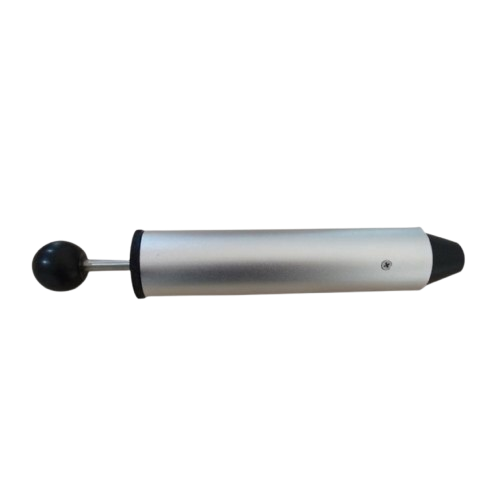
The safety of consumers has been elevated to industry priority number one for today's appliances, with today's consumers relying more than ever before on electrical equipment as part of their daily lives. Today's homes have numerous appliances, ranging from appliances such as coffee brewers and rice cookers to various types of beauty tools. All such appliances require significant amounts of testing through various types of testing efforts before use to verify the durability, reliability, and, most importantly, safety of the user of the appliance.
Manufacturers will begin to revolutionize the way that appliances are manufactured and utilize an integrated and standardized appliance compliance framework, particularly IS 302. Through these standards, as manufacturers create new appliances and add production capacity, good quality control through the continued and valid application of quality testing processes will be an absolute must. Not only does IS 302 provide the standards that verify/confirm safety, but it also creates standardized and measurable criteria for all products that will be sold in the consumer market.
Understanding the Importance of IS 302 in Modern Manufacturing
IS 302 is a widely recognized safety standard that outlines detailed requirements for electrical appliances used in households and similar environments. Before discussing the testing methodologies, it is essential to understand how this standard influences manufacturing practices. IS 302 covers various parameters such as insulation resistance, temperature rise, mechanical strength, moisture resistance, and electrical safety. For manufacturers, adherence to this standard is essential not only to retain consumer trust but also to meet regulatory expectations across domestic and international markets.
Compliance with IS 302 helps companies reduce product recalls, avoid safety-related incidents, and strengthen their brand reputation in a highly competitive environment. More importantly, as governments enforce stricter safety norms, manufacturers who ignore standardized testing risk facing penalties, certification delays, and market restrictions. Therefore, aligning production with IS 302 is not just a quality requirement—it is a strategic business need.
Why Safety Testing Is Critical for Consumer Appliances
Safety testing ensures that electrical appliances can withstand real-world usage conditions without posing hazards such as electric shock, overheating, leakage, or fire. An appliance may look durable from the outside, but only after controlled testing can its safety be verified. For instance, temperature rise tests analyze how appliances perform under continuous load, while insulation tests confirm whether users are protected from electric shocks. Each testing category is designed to mitigate a specific risk.
As consumer expectations shift toward higher quality, lower risk, and long-lasting performance, manufacturers must go beyond superficial quality checks. Appliances encounter conditions like voltage fluctuations, mechanical stress, humidity, and prolonged operation. Without proper testing, the smallest flaw could escalate into a major safety concern—something no responsible manufacturer can afford.
Role of Testing Instruments in Ensuring IS 302 Compliance
Testing instruments play a central role in enforcing IS 302 requirements and verifying that every appliance meets the prescribed safety benchmarks. Today’s advanced testing solutions help manufacturers accurately measure performance, detect faults, and refine product design even before mass production begins. These instruments make it possible to simulate harsh conditions and identify potential vulnerabilities that are invisible through visual inspection alone.
The use of home appliance testing instruments ensures precise evaluation across mechanical, thermal, and electrical parameters. Manufacturers rely on these tools to ensure reliable performance, regulatory compliance, and a seamless path to certification. With increasing market demands and shorter product cycles, dependable testing equipment helps reduce development time while ensuring consistent quality across batches.
Key Areas Where IS 302 Enhances Product Safety
Before diving deeper into specific testing categories, it is essential to highlight some core safety areas regulated under IS 302. These include:
- Electrical insulation and protection against electric shock
- Heating and temperature control under prolonged usage
- Mechanical integrity and resistance to wear or impact
- Fire prevention through material quality and construction
- Resistance to moisture and environmental exposure
Each of these areas corresponds to a strict testing requirement, ensuring appliances function safely throughout their lifecycle. Manufacturers who follow the standard closely can confidently deliver products that meet global expectations.
How IS 302 Supports Manufacturers and Consumers Alike
The benefits of complying with IS 302 extend far beyond regulatory approval. For manufacturers, the standard provides a clear, structured framework for building safer and more reliable products. This reduces costly trial-and-error approaches and accelerates market readiness. Testing aligned with IS 302 also ensures that production teams identify issues early, leading to fewer warranty claims and improved customer satisfaction.
For consumers, IS 302 serves as a reassurance that the appliance they purchase has undergone a thorough safety evaluation. In a market flooded with low-quality imports and uncertified devices, IS 302 compliance makes it easier for customers to choose trustworthy products. It strengthens brand loyalty, builds credibility, and reduces the risk of accidents in households.
Why Following IS 302 Is a Long-Term Investment for Manufacturers
Manufacturers who align their processes with IS 302 standards build long-term value in several ways. First, compliance enhances export opportunities, as many global markets require equivalent certifications. Second, standards-based testing supports product innovation by providing performance benchmarks that help engineers refine designs. Third, it reduces after-sales risks, including product failures and safety incidents that can damage brand reputation.
In addition, using home appliance testing instruments as per IS 302 ensures that manufacturers adhere to precise testing methods that are officially recognized. This gives production teams confidence that every appliance leaving the factory will perform reliably under actual usage conditions.
Conclusion
IS 302 remains one of the most essential safety standards for home appliances, ensuring that every product entering the market is reliable, durable, and safe for daily use. Manufacturers who integrate advanced testing methods and commit to standards-based evaluation build stronger brands, reduce risks, and earn long-term customer trust. As technological innovation increases and more appliances become electrically driven, the need for accurate, efficient, and compliant testing will only grow.
To support industries in this journey, Home Appliance Testing offers insightful guidance and solutions that help manufacturers uphold safety, performance, and regulatory confidence—ensuring safer consumer experiences across every household.