
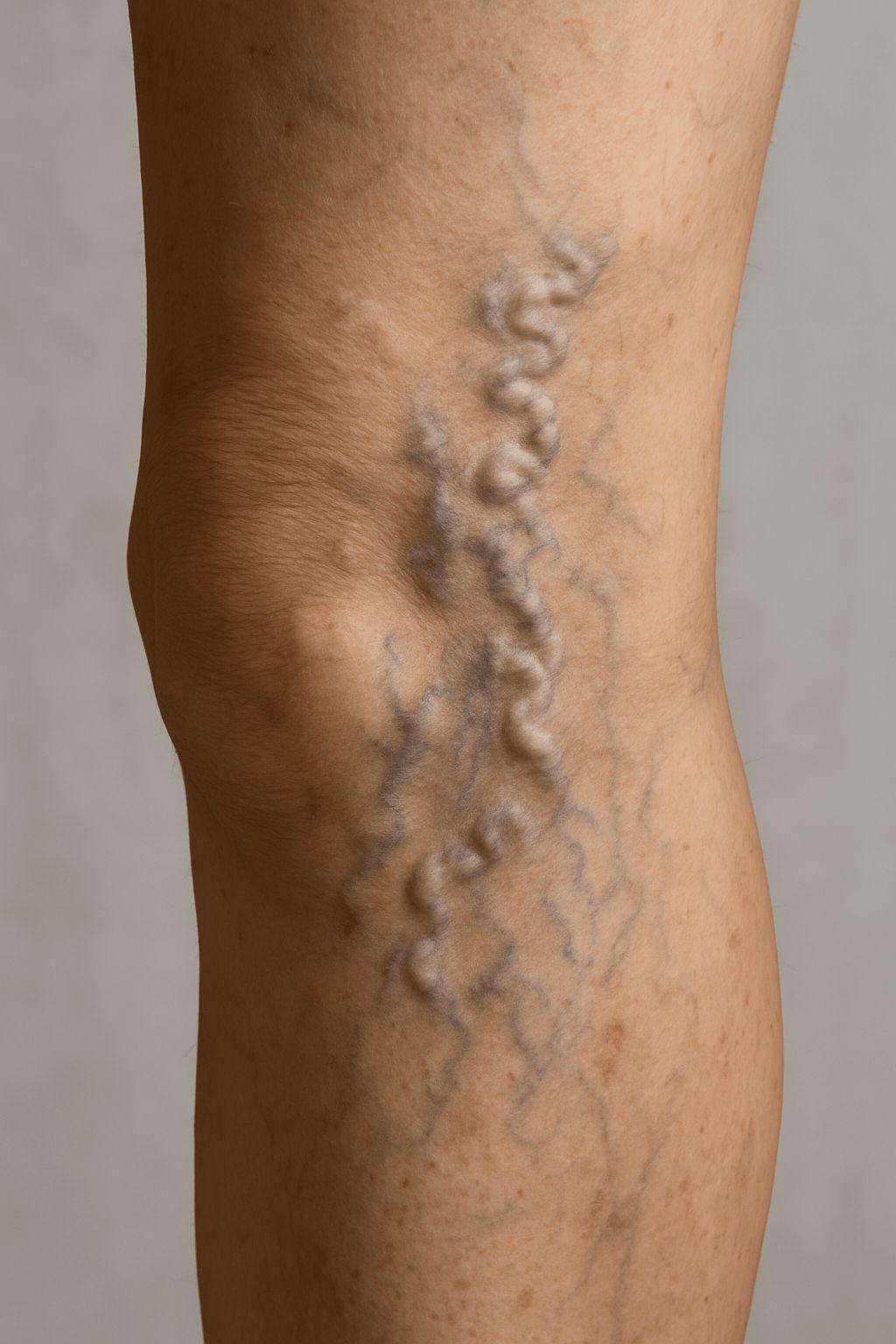
Veins play a crucial role in the circulatory system, carrying deoxygenated blood back to the heart. Over time, due to genetics, lifestyle factors, or prolonged pressure, veins may weaken, leading to bulging, twisted veins known as varicose veins. Understanding vein health before starting Varicose veins Treatment is essential because it helps identify the severity, causes, and the most effective treatment plan. Focusing on vein health ensures a tailored approach, maximizing both comfort and results.
Healthy veins are equipped with one-way valves that prevent blood from flowing backward. When these valves fail, blood pools in the veins, causing swelling, pain, or visible discoloration. Early detection and assessment of vein health can prevent complications and enhance the effectiveness of any varicose veins procedure.
Common Causes of Vein Weakness
Genetic Predisposition
Some individuals inherit weaker vein walls and valve issues. If a family member has varicose veins, the risk increases significantly. Genetics influence both the structure and elasticity of veins, which determines the likelihood of developing varicose veins.
Lifestyle Factors
Long hours of standing or sitting, lack of physical activity, and unhealthy diet choices can weaken veins over time. These factors reduce blood circulation efficiency and increase pressure within the lower limb veins.
Hormonal Changes
Hormonal fluctuations during pregnancy, menopause, or hormone therapy can impact vein health. Estrogen and progesterone affect vein wall elasticity and blood flow, sometimes worsening varicose veins.
Age-Related Changes
As people age, vein walls and valves naturally lose strength and elasticity. Aging is a gradual process that makes veins more susceptible to varicose vein formation, highlighting the need to understand vein health before treatment.
Symptoms Indicating the Need for Varicose Veins Treatment
Recognizing symptoms early ensures timely intervention.
Visible Bulging Veins
Veins that appear swollen, twisted, or bluish under the skin are a clear sign of varicose veins.
Swelling and Heaviness in Legs
Persistent swelling, especially after long hours of standing, indicates poor vein function.
Pain or Discomfort
Aching, burning, or throbbing sensations in the legs often accompany varicose veins.
Skin Changes
Darkening, itchiness, or ulcer formation around veins signals chronic vein issues, emphasizing the importance of understanding vein health before proceeding with treatment.
Diagnostic Methods to Assess Vein Health
Before starting Varicose veins Treatment, assessing vein health through diagnostic tests ensures safe and effective outcomes.
Duplex Ultrasound
This non-invasive test uses sound waves to measure blood flow and identify valve issues or blood clots. It provides a detailed map of vein conditions, guiding targeted treatment.
Venography
A less common method involving contrast dye, venography highlights vein structure and detects blockages. It is often reserved for complex cases.
Physical Examination
A thorough examination by a vein specialist helps assess visible symptoms, palpate veins, and determine severity.
Modern Approaches to Varicose Veins Treatment
Advances in medical technology have introduced effective and minimally invasive options for varicose veins management.
Endovenous Laser Therapy (EVLT)
A laser is inserted into the affected vein to close it off, rerouting blood flow to healthy veins. EVLT is minimally invasive with quick recovery.
Radiofrequency Ablation
This method uses radiofrequency energy to heat and seal diseased veins. It provides long-term results and is suitable for large varicose veins.
Sclerotherapy
A solution is injected into smaller varicose veins, causing them to collapse and fade over time. Sclerotherapy is ideal for cosmetic concerns and minor vein issues.
Vein Stripping and Ligation
Although less common today, surgical removal of severe varicose veins is sometimes necessary. Understanding vein health beforehand ensures surgery is appropriate and safe.
Lifestyle Adjustments to Support Vein Health
Improving vein health before and after treatment boosts results and reduces recurrence.
Regular Exercise
Walking, cycling, and swimming promote healthy blood flow and strengthen leg muscles, supporting vein function.
Weight Management
Maintaining a healthy weight reduces pressure on lower limb veins, minimizing varicose vein progression.
Compression Garments
Wearing compression stockings enhances blood flow and supports vein walls, especially after treatment.
Balanced Diet
Foods rich in fiber, antioxidants, and bioflavonoids can support vascular health, contributing to stronger veins.
Understanding Recovery and Aftercare
Recovery varies based on the type of varicose veins treatment chosen.
Post-Treatment Monitoring
Following treatment, patients should monitor swelling, bruising, and any unusual symptoms. Early detection of complications ensures timely medical attention.
Gradual Return to Activity
Light walking is encouraged immediately, but high-impact activities should be limited until veins fully heal.
Follow-Up Consultations
Regular check-ins with your vein specialist help assess treatment effectiveness and prevent recurrence.
Long-Term Vein Care
Even after successful varicose veins treatment, maintaining lifestyle adjustments and monitoring vein health is essential for lasting results.
Preventing Recurrence of Varicose Veins
Avoid Prolonged Sitting or Standing
Changing positions frequently reduces vein pressure and supports blood circulation.
Leg Elevation
Raising legs above heart level several times a day alleviates venous pressure and swelling.
Supportive Footwear
Comfortable shoes without high heels or restrictive designs encourage better circulation.
Routine Checkups
Periodic vein assessments help detect early signs of varicose veins, making intervention easier and less invasive.
Choosing the Right Clinic for Varicose Veins Treatment
Selecting a clinic with advanced technology, experienced specialists, and a patient-centered approach ensures safe and effective results. A clinic that emphasizes education, comprehensive assessment, and individualized treatment plans helps patients achieve optimal vein health.
At Royal Clinic Saudia, patients receive expert guidance, modern treatment options, and personalized aftercare to maximize the success of varicose veins treatment.
Conclusion: The Importance of Understanding Vein Health
Taking the time to understand your vein health before starting Varicose veins Treatment ensures a tailored, effective, and long-lasting solution. From assessing symptoms and undergoing diagnostics to choosing the right treatment and adopting supportive lifestyle habits, every step matters. Prioritizing vein health not only improves the aesthetic appearance of legs but also enhances overall leg function and quality of life.
For anyone considering varicose veins treatment, Royal Clinic Saudia offers professional guidance, advanced procedures, and personalized aftercare to ensure your vein health journey is safe, comfortable, and successful. Schedule a consultation today to begin your path to healthier veins.
Frequently Asked Questions
What is the best age to start Varicose Veins Treatment?
Varicose veins can appear at any age, but early detection and treatment are recommended as soon as symptoms like swelling, pain, or visible veins appear. Early intervention often leads to better results and reduces complications.
Can lifestyle changes alone improve vein health?
While lifestyle changes like regular exercise, leg elevation, and a healthy diet can support vein health, they may not eliminate existing varicose veins. Professional treatment is usually necessary for effective results.
Is Varicose Veins Treatment painful?
Most modern procedures like endovenous laser therapy or sclerotherapy are minimally invasive and cause only mild discomfort. Recovery is typically fast with minimal downtime.
How long do results last after Varicose Veins Treatment?
With proper aftercare and lifestyle management, results can last for many years. However, genetics and aging may still cause new veins to appear, making periodic monitoring important.