
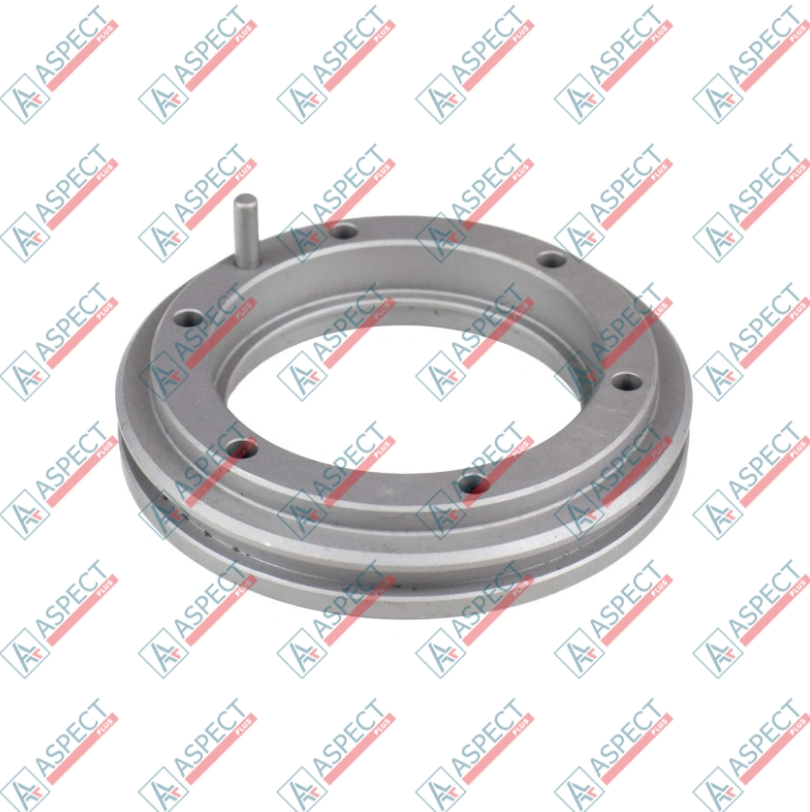
Eaton heavy-duty variable motors (such as Series 1 and Series 2) are critical components in hydrostatic transmissions, winches, and track drives. These axial piston motors are designed to operate under high pressure and handle significant side loads. However, operating in harsh environments often leads to specific failure modes. Among the most frequent and often misunderstood issues are shaft seal leaks and bearing wear. These two problems are rarely independent events; they are usually symptom and cause, inextricably linked in a cycle of degradation. This article provides an expert analysis of why these failures occur in Eaton motors, how to diagnose the root cause, and the necessary steps for a lasting repair.
The Relationship Between Bearings and Seals
To diagnose an Eaton motor correctly, one must understand the mechanical relationship between the output shaft, its bearings, and the shaft seal. The shaft is supported by heavy-duty tapered roller bearings that hold it in precise alignment. The shaft seal is a delicate elastomer component designed to hold low-pressure case fluid inside the motor while keeping contaminants out.
The seal relies on the shaft rotating perfectly on its axis. If the bearings begin to wear or fail, the shaft develops radial play or "runout." The seal cannot compensate for this wobbling motion, leading to a loss of contact and immediate leakage. Therefore, a leaking seal is often just the visible warning sign of a much more serious internal bearing failure.
Analyzing Shaft Seal Failures
When an Eaton motor starts leaking oil from behind the drive coupler, it is critical to determine why the seal failed before simply installing a new one.
1. Excessive Case Pressure
This is a unique characteristic of hydraulic motors. The motor case (the internal housing) is filled with oil that lubricates the rotating group. This oil must return to the tank via a case drain line with very little restriction.
- The Failure: If the case drain line is blocked, undersized, or if the internal rotating group is worn (causing excessive internal bypass), the pressure inside the case rises.
- The Result: The shaft seal is designed for low pressure (typically under 3-5 bar). High case pressure pushes the seal lip outward, causing it to flip or blow out completely. If you replace a blown seal without checking case pressure, the new seal will fail immediately.
2. Shaft Grooving and Wear
Over thousands of hours, the lip of the seal can wear a physical groove into the metal shaft. Even a new seal cannot seal against a grooved shaft. During repair, the shaft surface must be inspected. If a groove is present, the shaft must be replaced or repaired with a specialized wear sleeve.
Diagnostics of Bearing Wear
Bearing failure in Eaton variable motors can be catastrophic if not caught early. The bearings support the immense loads generated by the pistons and the external load of the application.
1. Contamination
Hard particles in the hydraulic fluid are the primary enemy. They enter the bearing races and act as a grinding compound, causing pitting and spalling on the rollers. This damage creates clearance, leading to the shaft runout mentioned earlier.
2. Cavitation Damage
If the motor overruns the supply of oil (e.g., a load driving the motor downhill), cavitation bubbles form. When these collapse, they can chip away at the metal surfaces of the bearing cages and races.
3. Symptoms of Bearing Failure
- Noise: A growling or grinding noise that increases with motor speed is a definitive sign of bearing distress.
- Heat: Failing bearings generate excessive friction. If the front housing of the motor (near the shaft) is significantly hotter than the rest of the unit, the bearings are likely seizing.
- Vibration: As the bearings loosen, the shaft vibrates, which can be felt through the machine chassis.
Repair Procedures: Best Practices
Repairing an Eaton heavy-duty motor requires precision and the correct components.
- Complete Disassembly: Do not attempt to replace a seal or bearing with the motor in place. The unit must be removed and disassembled in a clean environment.
- Shaft Inspection: Measure the shaft for straightness and inspect the seal journal for wear. Check the splines for fretting.
- Bearing Replacement: Bearings must always be replaced as a set (front and rear). The bearing races must be pressed into the housing straight and true. Incorrect installation will lead to immediate failure.
- Setting Bearing Preload: This is the most critical step for Eaton tapered roller bearings. The shaft nut must be tightened to achieve the specific rolling torque specified in the Eaton service manual. Too loose, and the shaft wobbles; too tight, and the bearings overheat and seize.
- Seal Installation: Install the new shaft seal using a proper installation tool to prevent rolling the lip. Lubricate the seal with clean hydraulic fluid before installation.
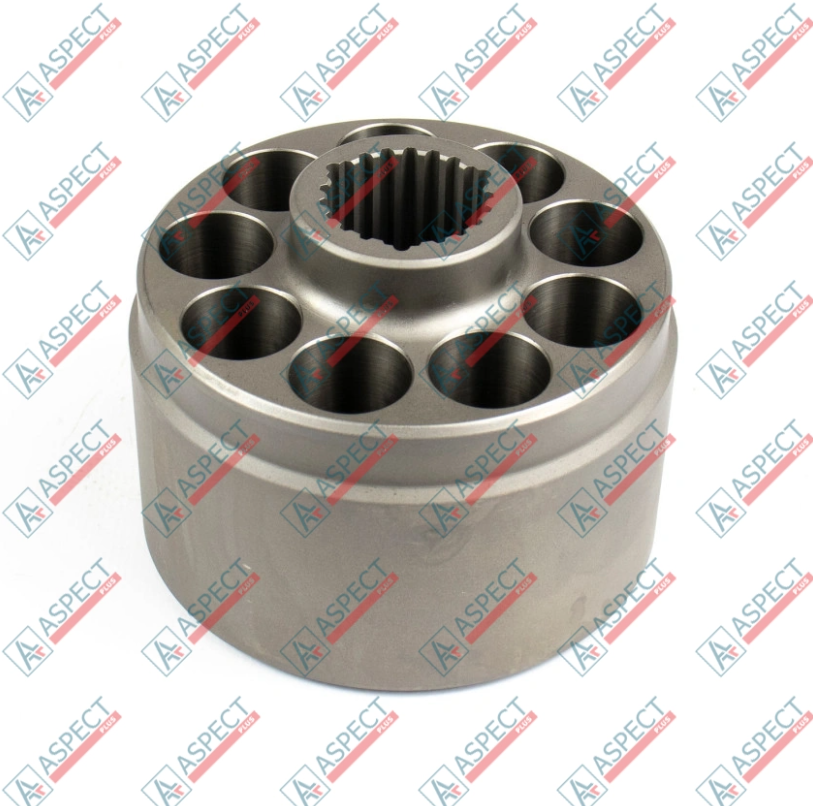
Our company, Aspect Plus, supplies high-quality replacement parts for Eaton heavy-duty motors, including bearing kits, shaft seals, and complete rotating groups, ensuring your repair meets OEM specifications for tolerance and durability.
Conclusion
Shaft seal leaks and bearing wear in Eaton variable motors are serious indicators of mechanical distress. Treating a leak as a simple "seal swap" without investigating the condition of the bearings or checking case pressure is a recipe for repeat failure. A professional repair involves a holistic approach: diagnosing the root cause, inspecting the shaft for damage, and replacing bearings with precision-engineered components. By adhering to these standards and using quality spare parts, operators can restore the performance and reliability of their Eaton hydraulic motors.
For expert advice on Eaton motor diagnostics and a reliable source for high-quality spare parts, contact the specialists at Aspect Plus.