
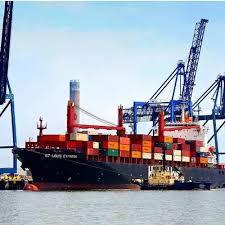
China and Pakistan have long shared a strategic, economic, and cultural partnership, but in recent years, their trade relationship has transformed at an unprecedented pace. At the heart of this transformation lies the rapid modernization of China–Pakistan cargo services, powered by the China–Pakistan Economic Corridor (CPEC), advanced logistics systems, upgraded transportation networks, and booming cross-border e-commerce. These advancements are not just improving shipping—they are revolutionizing the entire trade ecosystem between the two nations.
This article explores how modern cargo services are reshaping business opportunities, reducing costs, accelerating deliveries, and boosting economic growth on both sides.
1. Faster, More Reliable Transportation Networks
One of the most significant changes is the improvement in transportation infrastructure. CPEC has upgraded major routes such as the Karakoram Highway, expanded Gwadar Port, and modernized railway lines. These developments have dramatically improved the speed and reliability of cargo movement.
Air Freight:
Air routes between major Chinese and Pakistani cities have expanded, reducing delivery times to just a few days. This benefits businesses dealing in electronics, fast fashion, pharmaceuticals, and high-value goods.
Road Freight:
The improved CPEC highway network now allows goods to move from China into Pakistan more smoothly, cutting transit times and minimizing delays caused by poor road conditions in the past.
Rail Freight:
The upgraded ML-1 railway line has made rail freight a strong alternative—cheaper than air, faster than sea, and far more stable during harsh weather.
Sea Freight:
Ports like Karachi and Gwadar have strengthened their handling capacity, reducing congestion and improving overall logistics efficiency.
These improvements collectively ensure that cargo moves more quickly, reliably, and with fewer disruptions than ever before.
2. The Rise of Door-to-Door Logistics Solutions
Previously, importers faced the burden of dealing with multiple agents, customs officials, port authorities, and trucking companies. Today, modern cargo companies offer complete door-to-door solutions, handling:
- Pickup from Chinese suppliers
- Packaging and consolidation
- Freight booking
- Customs clearance in both countries
- Delivery directly to the importer’s address
This one-stop logistics model is especially helpful for small businesses and e-commerce sellers who may not have the expertise or resources to manage complex shipping tasks.
Door-to-door services are making trade easier, faster, and more accessible—allowing even new entrepreneurs to import without stress.
3. Digitalization and Smart Cargo Tracking
Technology is also playing a powerful role in revolutionizing trade. Most shipping companies now use:
- AI-based route optimization
- Real-time shipment tracking
- Digital invoicing
- Online customs documentation
- Automated freight quotations
With real-time tracking, importers can monitor their shipments at every stage—from warehouse pickup to border clearance to final delivery.
The introduction of the Pakistan Single Window (PSW) further simplifies the process by allowing importers to submit documents digitally, reducing corruption, paperwork, and clearance delays.
4. Growing E-Commerce Trade Between China and Pakistan
The rapid rise of online marketplaces like Daraz, TikTok Shop, Amazon, and Shopify has created massive demand for cross-border logistics. In response, cargo companies have developed specialized e-commerce services, such as:
- Consolidation for small parcels
- FBA prep for Amazon sellers
- Customized packaging
- Cash-on-delivery integration
- Fast B2C cross-border shipping
This shift is enabling thousands of Pakistani sellers to source products directly from China—reducing their cost of goods and increasing profitability.
E-commerce logistics is now one of the strongest drivers of China–Pakistan cargo growth.
5. Lower Shipping Costs and More Competitive Trade
Improved infrastructure, expanded routes, and increasing competition between logistics providers have helped reduce overall shipping costs. Road and rail options are now more cost-effective, and sea freight prices have stabilized, making trade more affordable for businesses of all sizes.
Lower shipping costs mean:
- Cheaper end products for customers
- Higher profit margins for importers
- More competitive pricing in the local market
This affordability encourages more businesses to start importing, driving further growth in Pakistan’s retail and wholesale sectors.
6. Boosting Economic Growth and Job Creation
As cargo services expand, the economic benefits ripple across both nations. Pakistan sees growth in:
- Warehousing and fulfillment centers
- Local logistics companies
- E-commerce businesses
- Export industries
- Retail and wholesale sectors
Gwadar, in particular, is emerging as a major logistics hub, attracting investments and creating new job opportunities. Improved trade also strengthens diplomatic ties and opens doors for future collaborations in manufacturing, technology, and energy.
7. A More Flexible and Scalable Supply Chain
Importers now have multiple cargo options—air, sea, road, rail, express courier, or door-to-door. This flexibility allows businesses to scale their operations based on demand, product type, urgency, and budget.
For example:
- Fast-selling items can be shipped by air or road
- Bulk orders can arrive via sea or rail
- Small mixed goods can be consolidated for cheaper delivery
Businesses can now build a hybrid supply chain that offers speed, affordability, and stability—something that was difficult years ago.
Conclusion
China–Pakistan cargo services are not just improving—they are revolutionizing the way trade works between the two countries. With enhanced infrastructure, digitalized customs systems, diverse transportation modes, and strong e-commerce logistics support, importers have more opportunities than ever before.
Today, businesses of all sizes—from large corporations to home-based entrepreneurs—can take advantage of faster shipping, lower costs, and smarter supply chain solutions. As CPEC continues to grow, the future of China–Pakistan trade looks stronger, more connected, and more promising than ever.