
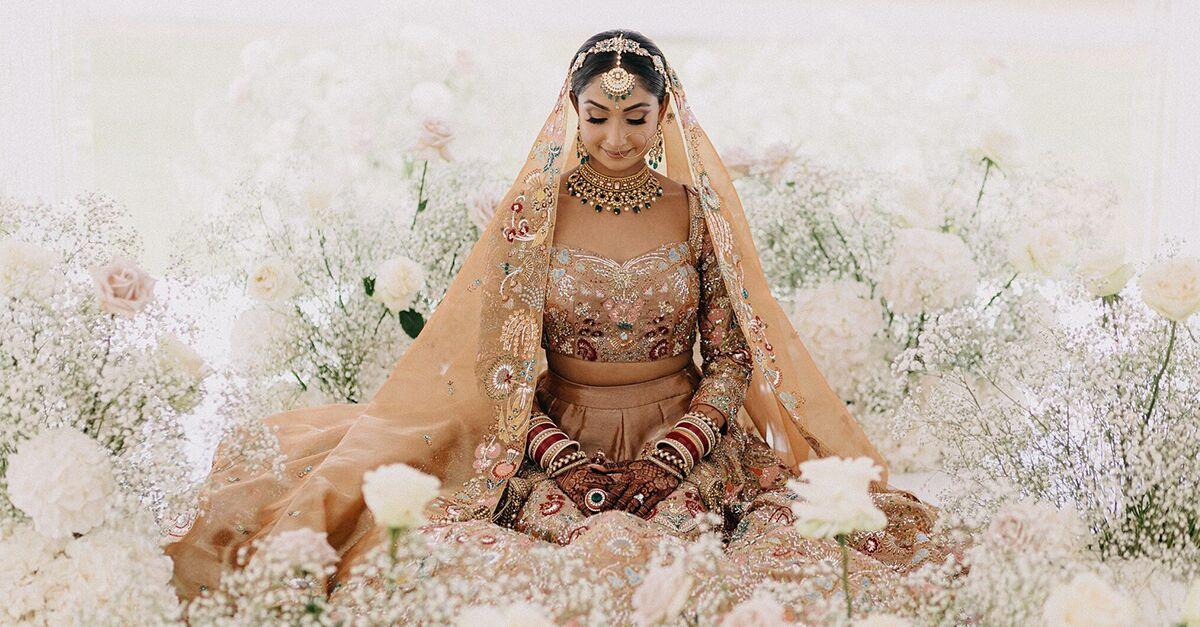
Choosing a Pakistani wedding dress is one of the most emotional, overwhelming, and culturally rich decisions a bride, or her family, makes. Weddings in Pakistan are not just ceremonies; they are multi-day celebrations filled with tradition, symbolism, artistry, and fashion. From the Mehndi and Mayun to the Nikkah, Barat, and Walima, every event demands outfits that reflect beauty, cultural identity, and craftsmanship.
Pakistani bridal fashion is famous globally for its hand-embroidered techniques, luxurious fabrics, and deep cultural symbolism, making the selection process both exciting and complex.
SECTION 1: Understanding Pakistani Bridal Fashion (Entities, Trends, Heritage)
Pakistani wedding dresses are a blend of:
🔹 Heritage
- Mughal-inspired fashion
- Central Asian influences
- Punjabi, Sindhi, Balochi, and Kashmiri cultural elements
🔹 Craftsmanship Techniques (Entities)
- Zardozi
- Resham embroidery
- Tilla work
- Kora and dabka
- Mukesh (tilla katori)
- Hand embellishment
- Swarovski crystal work
🔹 Fabrics Used in Bridal Wear (Entities)
- Pure chiffon
- Organza
- Korean raw silk
- Velvet
- Net
- Banarsi fabric
- Tissue silk
Each fabric adds a unique personality to the wedding outfit, fluidity, heaviness, richness, or a soft fall.
SECTION 2: Choosing Bridal Fabrics | The Complete Guide
Choosing the wrong fabric can ruin the comfort and look of your dress.
- Silk (Raw Silk, Korean Silk, Indian Silk)
Best for: Barat, Nikkah, Reception
Why choose it:
- Luxurious shine
- Strong structure
- Timeless look
- Works with heavy embroidery
Popular Silk Bridal Entities:
- Korean Raw Silk
- Banarsi Silk
- Katan Silk
- Organza
Best for: Nikkah, Daytime Barat, Engagement
Why choose it:
- Lightweight
- Perfect for pastel colors
- Modern and sophisticated
Drawback:
- Needs excellent stitching to avoid stiffness.
- Velvet
Best for: Winter weddings, Barat night
Why choose it:
- Royal and rich
- Deep color absorption
- Works beautifully with dabka, tilla, and antique gold embroidery
- Chiffon
Best for: Walima, Mehndi, Reception
Why choose it:
- Soft fall
- Flowy movement
- Ideal for maxis, pishwas, and long shirts
- Net
Best for: Modern brides
Why choose it:
- Perfect for layered gowns
- Crystal embellishments shine beautifully
ECTION 3: Choosing Wedding Dress Colors (Top 2024–2025 Trends)
Color psychology plays a huge role in Pakistani weddings.
- Traditional Colors
🔻 Red
Symbol of love, prosperity, and tradition.
Still the most demanded bridal color for Barat.
🔻 Maroon
A richer, deeper, royal version of red.
Perfect for brides who want elegance with tradition.
🔻 Gold
Works beautifully for reception and Barat.
Pairs well with antique kalai work.
- Modern Bridal Color Trends (Semantic Keywords)
Pastel Wedding Dresses
- Powder pink
- Mint green
- Lavender
- Ice blue
Best for: Nikkah, daytime barat, walima
Champagne & Beige
Sophisticated, subtle, and perfect for Walima looks.
Emerald Green & Jade
Becoming increasingly popular for Nikkah and Barat.
Peach, Blush, and Rose Gold
Soft, feminine, and romantic tones.
SECTION 4: Pakistani Wedding Dress Designs (Entity-Rich Breakdown)
- Bridal Lehenga Choli
A timeless favourite for Barat brides.
Variations:
- A-line lehenga
- Flared can-can lehenga
- Kalidaar lehenga
- Panelled lehenga
- Bridal Maxi Dress
The most demanded outfit for Walima & Nikkah.
Features:
- Floor-length silhouette
- Beaded bodice
- Soft flare
- Sharara & Gharara Sets
Heritage outfits making a comeback.
Best for:
- Mehndi
- Mayun
- Baraat (traditional brides)
- Bridal Pishwas
One of the top wedding trends of 2024–2025.
Features:
- Kalidaar flare
- Stunning movement
- Works in chiffon, organza, and silk
- Long Shirt with Lehenga
A perfect fusion of tradition and modern styling.
Great for Nikkah and Walima.
SECTION 5: Matching Dress Style to Wedding Event
Nikkah
- Soft, pastel tones
- Light to moderate embroidery
- Flowy fabrics
Mehndi
- Bright colors: yellow, green, orange
- Mirror work
- Sharara/Gharara
Barat
- Heaviest embroidery
- Rich colors: red, maroon, rust, gold
- Lehenga choli or long shirt
Walima
- Cool tones
- Crystals, pearls, sequins
- Maxi gowns and pastel dresses
Matching Dress Silhouette to Body Shape
Choosing the right Pakistani wedding dress isn’t only about fabrics and color; your body shape determines which silhouette enhances your look.
Below is the most optimized breakdown:
- Hourglass Body Shape
Balanced shoulders and hips with a defined waist.
Best Pakistani Wedding Dress Styles
- Lehenga choli (accentuates waist)
- Fitted long shirt with lehenga
- Pishwas with a belted waist
- Mermaid-style maxi gowns
Avoid:
Very boxy silhouettes with no waist shaping.
- Pear-Shaped Body
Narrow shoulders, wider hips.
Best Styles:
- A-line lehenga
- Straight long shirt with dupatta draped over one shoulder
- High-waist pishwas
Avoid:
Heavy borders at the hips, too much flare.
- Apple-Shaped Body
More volume around waist and torso.
Best Styles:
- Front-open long shirt
- Straight shirt with gharara
- A-line flowy maxi dress
Avoid:
Very fitted cuts or heavy belts.
- Rectangle Body Shape
Equal shoulder, waist, and hip width.
Best Styles:
- Kalidaar pishwas
- Layered maxis
- Sharara suits with embellished bodice
Avoid:
Super straight cuts without layering.
SECTION 7: Embroidery & Handwork Techniques
Pakistani bridal fashion is world-famous because of its handcrafted embroidery styles.
Understanding them helps brides choose a dress that reflects the right amount of luxury.
- Zardozi
A heavy, royal embroidery using gold/silver threads.
Best for Barat bridal lehengas and long shirts.
- Dabka
Coiled metal thread work that adds depth and luxury.
- Kora
A classic, prestigious Pakistani bridal technique using thread-covered wire.
- Resham Embroidery (Thread Work)
Soft, feminine, perfect for Walima & Nikkah pastel dresses.
- Swarovski & Crystal Work
Loved by modern brides for that elegant, shimmering effect.
- Tilla Work
Traditional, heritage-inspired, seen in Kashmiri and Punjabi designs.
- Mirror Work (Sheesha Work)
Perfect for Mehndi, Mayun, and Boho-chic brides.
- Mukesh Work
Tiny metallic dots that glitter beautifully under light ideal for Nikkah wear.
Each technique affects the weight, sparkle, texture, and price of the bridal dress.
SECTION 8: Trending Pakistani Wedding Dress Designs (For 2024–2025 Brides)
- Modern Nikkah Trends
- White and ivory dresses
- Minimalist pishwas
- Pearl-embellished dupattas
- Straight long shirts with mukesh work
- Mehndi Trends
- Multicolor lehengas
- Lime green + hot pink combos
- Gota and mirror work
- Sharara with short kurti
- Barat Trends
- Deep maroon and oxblood lehengas
- Rust + gold combinations
- Heavy antique zari work
- Fully embellished kalidaar maxis
- Walima Trends
- Ice blue, silver, mint
- Crystals, pearls, sequins
- Trail maxis and fishtail gowns
- Pastel organza dupattas
SECTION 9: Seasonal Considerations for Selecting Pakistani Wedding Dresses
- Summer Weddings
Best Fabrics:
- Chiffon
- Organza
- Net
- Raw silk (lightweight variants)
Best Colors:
- Pastels
- Soft gold
- Peach
- Mint
- Powder blue
- Winter Weddings
Best Fabrics:
- Velvet
- Heavy silk
- Tissue
- Brocade
Best Colors:
- Deep maroon
- Burgundy
- Emerald
- Navy
- Antique gold
SECTION 10: Custom vs Ready-Made Pakistani Wedding Dresses
Custom Bridal Dresses
Pros:
- Perfect fitting
- Fully personalized
- Custom embroidery
Cons:
- Expensive
- Requires weeks to prepare
Ready-Made Bridal Dresses
Pros:
- Quick delivery
- Budget-friendly
- Easy trial & exchange
Cons:
- Limited customization
SECTION 11: Dupatta Styling (A Key Part of Bridal Look)
- Single-Drape Style
Classic for Barat brides.
- Double-Dupatta Bridal Look
One dupatta draped on the head + second styled around shoulders.
This adds royalty and structure.
- Veil-Style Dupatta
Trend for modern Walima brides.
- Front-Fall Dupatta Style
Popular for Nikkah photoshoots.
SECTION 12: Jewelry Pairing With Pakistani Bridal Dresses
For Red/Maroon Bridal Lehengas
- Antique gold sets
- Polki jewelry
- Kundan chokers
For Pastel Walima Dresses
- Diamond sets
- Crystal or pearl jewelry
For Mehndi
- Floral jewelry
- Gota jewelry
- Multicolor oxidized sets
Jewelry should enhance, not overpower, the dress.
SECTION 13: Footwear Choices for Pakistani Brides
- Khussas
Perfect for:
- Mehndi
- Nikkah
- Traditional brides
- Heels
Perfect for:
- Walima
- Barat photoshoots
- Flat Sandals
Best for comfort during long events.
SECTION 14: Hair & Makeup Pairing
Nikkah Makeup
- Soft glam
- Pastel tones
- Loose curls or bun
Mehndi Makeup
- Bold liner
- Bright lips
- Braids with flowers
Barat Makeup
- Full glam
- Smokey eyes
- Sleek bun with tikka
Walima Makeup
- Dewy base
- Crystal shimmer
- Hollywood waves
SECTION 15: Cultural Influences by Region
Punjabi Bridal Style
- Bright colors
- Heavy ghararas
- Paranda-inspired hairstyles
Sindhi Bridal Style
- Mirror work
- Multicolor combinations
- Heavy jewelry
Balochi Bridal Style
- Intricate tilla work
- Vibrant traditional motifs
Kashmiri Bridal Style
- Fine embroidery
- Rich pashmina-inspired patterns
7. Step-by-Step Bridal Dress Selection Framework (Expert-approved)
This section walks through the exact process professional bridal stylists follow when helping brides choose their dream Pakistani wedding dress.
Step 1: Identify Your Ceremony Type & Timing
Every event has its own fashion code. Knowing this first prevents mismatched outfits later.
For Day Events (Nikkah, Daytime Barat, Engagement):
- Prioritize soft, pastel tones
- Choose lightweight fabrics like organza, chiffon, net
- Go for delicate threadwork, pearls, resham
For Night Events (Barat, Shendi, Walima):
- Select rich colors like maroon, emerald, gold, plum
- Choose luxurious fabrics like velvet, tissue, brocade
- Opt for heavier embellishments like zari, dabka, naqshi
Step 2: Define Your Body Shape & Ideal Silhouette
Bridal designers always determine body proportions before beginning any design sketch.
Pear-Shaped Body
Best silhouettes:
- A-line lehengas
- Flowing pishwas
- Straight shirts with flared bottoms
Avoid:
- Mermaid gowns (accentuate hips)
Hourglass Shape
Best silhouettes:
- Fitted bodices
- Peplum with lehenga
- Structured gowns
Avoid:
- Boxy cuts that hide your natural symmetry
Apple Shape
Best silhouettes:
- A-line maxis
- Straight long shirts
- Angrakha with cinched waist
Avoid:
- Heavy work around the stomach area
Petite Brides
Best silhouettes:
- Vertical panel maxis
- Short peplums
- Slim-fit lehengas
Avoid:
- Overly flared can-can skirts making you appear shorter
Step 3: Choose the Ideal Fabric Based on Event Weather & Comfort
Fabric selection determines 70% of the bridal dress outcome.
Summer Weddings (April–September)
Best fabrics:
- Chiffon
- Net
- Lawn silk
- Organza
Why? Breathable, lightweight, flowy.
Winter Weddings (October–March)
Best fabrics:
- Velvet
- Brocade
- Tissue
- Heavy silk
Why? Warm, luxurious, thicker structure.
All-Season Fabrics
- Korean raw silk
- Banarsi
- Satin
- Jamawar
These give premium drape + durability suitable for multi-event looks.
Step 4: Select a Trend-Driven Color Palette (Based on 2025 Bridal Trends)
Here are the most in-demand Pakistani wedding dress colors for modern brides:
For Barat Brides (Traditional Glam)
- Classic Red + Gold
- Maroon + Rust
- Burgundy + Antique Gold
- Ruby Red + Champagne
For Nikkah Brides (Soft & Minimal)
- Mint
- Peach
- Sage
- Powder Blue
- Ivory
- Soft Gold
For Walima Brides (Modern & Elegant)
- Silver
- Ice Blue
- Mauve
- Dusty Rose
- Champagne
For Shendi/Mehndi Brides (Playful & Vibrant)
- Yellow + Green
- Fuchsia + Orange
- Multi-color palettes
- Lime, Teal & Magenta combinations
Step 5: Finalize Embellishment Style (Heritage vs. Fashion-Forward)
Embroidery defines the personality of your bridal look.
Traditional Embellishment Styles
- Hand Dabke Work
- Kora Naqshi
- Mukesh/Kamdaani
- Resham & Zari
- Mirrorwork (Thala)
Perfect for brides who want timeless elegance.
Modern Embellishment Styles
- Laser-cut sequins
- Pearl beading
- 3D floral appliqué
- Crystal work
- Metallic foiling
Suitable for fashion-forward brides.
Fusion Embellishment
A trending 2024–2025 concept.
Traditional base + Modern highlights.
Example: Red bridal lehenga with dabka + Swarovski finishing.
Step 6: Custom vs. Ready-to-Wear Decision
Many brides struggle with this. Let’s break it down:
Choose Custom-Made If:
- You want a perfect fit
- You need fabric/color choices
- You want personalization
- You’re combining inspirations into one outfit
Choose Ready-Made If:
- Your event is urgent
- You want cost-effective bridal wear
- You prefer trying the outfit physically
- You trust top designer silhouettes
Step 7: Final Bridal Dress Checklist (Professional Stylist Version)
Before confirming your bridal dress order, ensure:
✔ Fabric matches season
✔ Color suits your skin tone
✔ Embroidery aligns with event theme
✔ Silhouette flatters your body shape
✔ Dress is comfortable for long hours
✔ Dupatta drape is manageable
✔ Fitting timeline is realistic
✔ Jewelry & makeup complement dress style
8. Real Bridal Scenarios
The Petite Nikkah Bride
Problem: Dress options looked heavy & overwhelming.
Solution:
- Soft mint organza
- Straight shirt with minimal pearls
- Small flare trousers
- Light kamdaani dupatta
Outcome: She appeared taller, lighter, more elegant.
The Curvy Barat Bride
Problem: Wanted traditional red but slimming silhouette.
Solution:
- A-line pishwas
- Red raw silk base
- Gold dabka
- Light trail (instead of heavy lehenga)
Outcome: Regal, elongated appearance without discomfort.
The Modern Walima Bride
Problem: Wanted a non-traditional look without losing Pakistani identity.
Solution:
- Ice blue maxi
- Swarovski crystal spray
- Modern silver tones
- Structured shoulders
Outcome: A western-inspired but culturally rooted look.
Advanced Bridal Color Psychology & Skin Tone Matching
Color selection is a major deciding factor when choosing a Pakistani wedding dress. Beyond trends and tradition, professional designers consider color psychology, emotional impact, and skin undertones to create a balanced, glowing bridal look.
- Bridal Color Psychology: What Each Color Symbolizes in Pakistani Weddings
Every bridal color carries a meaning. Understanding this helps brides choose shades that align with their personality and event theme.
Red — Passion, Tradition & Power
The most iconic bridal color in South Asia.
Perfect for:
- Traditional Barat looks
- Brides who love bold, regal aesthetics
- Grand, royal wedding themes
Embellishments that pair best:
- Antique gold
- Dabka
- Kora naqshi
Maroon — Depth, Royalty, Elegance
A more mature, deeper version of red.
Best for:
- Night events
- Velvet lehengas
- Winter weddings
Pairs beautifully with:
- Bronze
- Gold foil
- Sequins
Pink — Youthfulness, Romance & Femininity
Shades like blush, baby pink, rose gold dominate Nikkah fashion.
Perfect for brides who prefer a soft, dreamy look.
Best for:
- Engagements
- Nikkah ceremonies
- Garden daytime events
Gold — Prosperity, Luxury & Warmth
A Walima staple that complements all skin tones.
Often used in:
- Maxis
- Gowns
- Classic bridal sets
Works best with:
- Silver crystals (modern touch)
- Antique gold (traditional touch)
Green — Blessings & Spirituality
Especially popular for Nikkah ceremonies and Mehndi.
Famous shades:
- Emerald
- Sage
- Bottle green
Embroidery styles:
- Gold zari
- Pearl accents
- Mirrorwork
Blue — Serene, Modern, Unique
Rising trend for modern Walima brides.
Top shades:
- Ice blue
- Navy
- Teal
- Powder blue
Perfect for brides who want something minimal yet striking.
White & Ivory — Purity, Innocence, Grace
Most popular for Nikkah right now.
Ideal Embellishments:
- Pearls
- Silver
- Soft gold threadwork
Perfect when paired with soft makeup and loose curls.
Orange & Yellow — Festivity & Joy
The signature Mehndi palette.
Best for:
- Dholkis
- Haldi
- Mehndi/Mayun
- Shendi
They enhance the colorful, cultural vibe of pre-wedding celebrations.
- Selecting the Perfect Bridal Color for Your Skin Tone
A professional bridal stylist always begins with skin undertone analysis, not complexion shade.
You can be fair, wheatish, or dark, but undertone matters more.
How to Identify Your Undertone
Use these simple tests:
Vein Test
- Green veins → warm undertone
- Blue/purple veins → cool undertone
- A mix → neutral undertone
Jewelry Test
- Gold looks better → warm
- Silver looks better → cool
- Both look equally good → neutral
Best Pakistani Bridal Colors for Each Undertone
- Warm Undertone Brides (Yellow/Golden Base)
You glow most in earthy, warm tones.
Best Colors:
- Red
- Maroon
- Coral
- Mustard
- Olive
- Gold
- Rust
For Barat:
- Deep maroon + antique gold
- Rust red pishwas
For Nikkah:
- Ivory with gold
- Soft peach
For Walima:
- Champagne
- Gold-beige
- Cool Undertone Brides (Pink/Blue Base)
You shine in icy, pastel, and jewel tones.
Best Colors:
- Ice blue
- Silver
- Mauve
- Mint
- Blush pink
- Plum
For Barat:
- Cherry red
- Crimson with silver detailing
For Nikkah:
- Powder pink
- Pearl white
For Walima:
- Silver
- Ice blue
- Neutral Undertone Brides (Balanced)
Lucky — most colors suit you!
Best Colors:
- Dusty rose
- Emerald
- Teal
- Champagne
- Classic red
For Barat:
- Ruby red
- Burgundy
For Nikkah:
- Ivory + pastel pink combo
For Walima:
- Champagne gold
- Lilac
- Bridal Color Mistakes to Avoid (Professional Warnings)
❌ Avoid choosing colors based only on trends
What looks good on Instagram may not suit your undertone.
❌ Avoid extremely bright neons for main events
They photograph harshly under flash.
❌ Avoid mixing warm & cool tones in the same dress
Example:-
Gold + Ice Blue → clash
Silver + Rust → clash
❌ Avoid dull tones if you’re having a night event
They can look flat in low lighting.
- Cultural Color Etiquette in Pakistani Weddings (Important!)
Different events in Pakistan have cultural expectations.
Nikkah Etiquette:
- Softer tones preferred
- White, ivory, mint, blush
Barat Etiquette:
- Deep, bold tones
- Red still king
Walima Etiquette:
- Soft metallics or pastels
Mehndi Etiquette:
- Yellows, greens, oranges
- Multi-color acceptable
Trend Forecast 2025–2026: Fabrics, Silhouettes & Embroidery Styles
Pakistani bridal fashion updates every season, but certain core trends dominate the runway, designer ateliers, and real-wedding photoshoots. Below is a professionally curated trend forecast for 2025–2026, crafted for brides who want modern yet Pakistani aesthetics.
- Bridal Fabric Trends 2025–2026
- Organza — The Reigning Bridal Fabric
Lightweight, crisp, dreamy — organza stays one of the top choices for:
- Nikkah dresses
- Walima maxis
- Pishwas silhouettes
Designers like Maryum N Maria, Saira Rizwan, and Republic Womenswear champion embellished organza.
- Velvet for Luxury Winter Brides
Velvet remains iconic for:
- Barat lehengas
- Maxi-style gowns
- Traditional pishwas with heavy borders
Especially trending shades:
Maroon, oxblood, midnight blue, emerald.
- Net Fabric with Pearl & Crystal Embellishments
Net adds a princess-like fall to maxis and gowns.
Most popular for Nikkah and Walima looks.
- Korean Raw Silk (Hot Trend)
Loved for:
- Structured lehengas
- Minimalist silhouettes
- Soft sheen under studio lighting
- Tissue & Masoori Silk
Favored for traditionalists.
Offers a nostalgic Mughal charm.
- Silhouette Trends 2025–2026
- Modern Pishwas with Dramatic Borders
Pishwas has made a massive comeback.
Trending styles include:
- Floor-length pishwas with zari borders
- Pishwas with organza dupatta
- Angrakha-style pishwas with pearls
- Straight Long Shirts with Farshi Ghararas
A timeless choice — especially for Barats.
Design highlights:
- Kora, dabka work
- Heavy zari gharara flare
- Panelled designs
- Maxi / Ball Gown Hybrids
Perfect for Walima events.
Modern brides prefer:
- Embroidered bodice
- A-line flare
- Soft pastel palettes
- Lehenga Choli with Sleeved Blouse
Returning trend inspired by old-world charm.
Popular combinations:
- Velvet choli + organza lehenga
- Raw silk choli + net dupatta
- Layered Dupatta Drapes
Designers now introduce double dupattas:
- One heavy bridal dupatta pinned neatly
- Another flowing, sheer drape for drama
This creates a luxury editorial look.
- Embroidery & Handwork Trends
- Mirrorwork Fusion
Common in Mehndi outfits.
Emerald green + mirrorwork = top trending look.
- Silver Zari Over Gold
A move toward cooler tones in Walima dresses.
- Multi-Technique Embroidery
Designers combine:
- Sequins
- Dabka
- Kora
- Resham
- Crystal spray
- French knot flowers
The result: dimensional, premium bridal wear.
- 3D Florals & Petal Work
Especially seen in:
- Nikkah gowns
- Engagement maxis
- Walima ice blue dresses
Full FAQ Section
Below is a comprehensive 20-question FAQ section, ideal for long-form authority content in the Pakistani bridal niche.
Top FAQs about Choosing a Pakistani Wedding Dress
- What is the most popular color for a Pakistani Barat dress?
Red and maroon remain the top choice, symbolizing tradition, strength, and romance.
- Which fabrics are best for winter weddings?
Velvet, raw silk, and tissue silk are ideal for structure and warmth.
- What’s trending for Walima dresses?
Ice blue, silver, lilac, champagne gold, and pastel maxis.
- Are pishwas popular for brides?
Yes — the pishwas is one of the most popular silhouettes for Nikkah and Barat.
- Which colors suit fair skin brides?
Cherry red, emerald, ice blue, blush pink.
- Which colors suit wheatish brides?
Maroon, rust, olive, sea green, champagne.
- Which colors suit dusky brides?
Deep jewel tones like plum, navy, bottle green, burgundy.
- What is the ideal dress for a daytime Nikkah?
Ivory or pastel organza with pearl embellishments.
- What is the ideal dress for a nighttime Barat?
Maroon, red, or deep velvet with antique gold handwork.
- Are maxi dresses still trending for brides?
Yes — especially for Walima & Nikkah.
- Is organza a good fabric choice?
Yes — perfect for soft bridal looks and trending in 2024–2026.
- What is the most comfortable bridal fabric?
Korean raw silk and chiffon are lightweight yet luxurious.
- Which dupatta drape is trending?
Two-dupatta styling with one heavy and one sheer layer.
- What handwork is considered premium?
Zari, dabka, naqshi, mukesh, Swarovski crystals.
- Do Pakistani brides wear white?
Yes — white and ivory dominate Nikkah fashion.
- What’s the best bridal color for nighttime photography?
Maroon, burgundy, navy, and emerald.
- How long before the wedding should brides finalize their dress?
At least 2–3 months prior, or 6 months for custom couture.
- What style suits petite brides?
A-line maxis, straight shirts, and mid-flare lehengas.
- What style suits tall brides?
Pishwas, floor-length gowns, and double dupatta drapes.
- Where can brides shop premium Pakistani wedding dresses?
Local designer houses or trusted online brands.
Conclusion: Choosing the Perfect Pakistani Wedding Dress
Selecting the ideal Pakistani wedding dress is both an art and a science. It requires balancing fabrics, colors, designs, and personal style while honoring tradition and contemporary trends. From Velvet and Silk for winter Barats to Organza and Chiffon for daytime Nikkahs, every fabric serves a purpose. Colors, whether classic reds and maroons or modern pastels, should complement your skin tone and event theme, while embroidery styles like zardozi, dabka, mukesh, and resham add the royal, handcrafted touch that Pakistani bridal fashion is known for.
By understanding your body shape, personal comfort, seasonal factors, and current trends, you can choose a dress that not only reflects your personality but also ensures you look radiant in every wedding photo. Remember, your bridal look is more than just a dress—it’s a statement of heritage, elegance, and your unique bridal journey.
With careful planning, expert advice, and attention to detail, selecting the perfect Pakistani wedding dress can be an enjoyable, stress-free experience. Whether you prefer a traditional lehenga choli, a contemporary maxi gown, or a fusion pishwas, the right dress ensures that your special day is remembered for style, grace, and timeless beauty.