
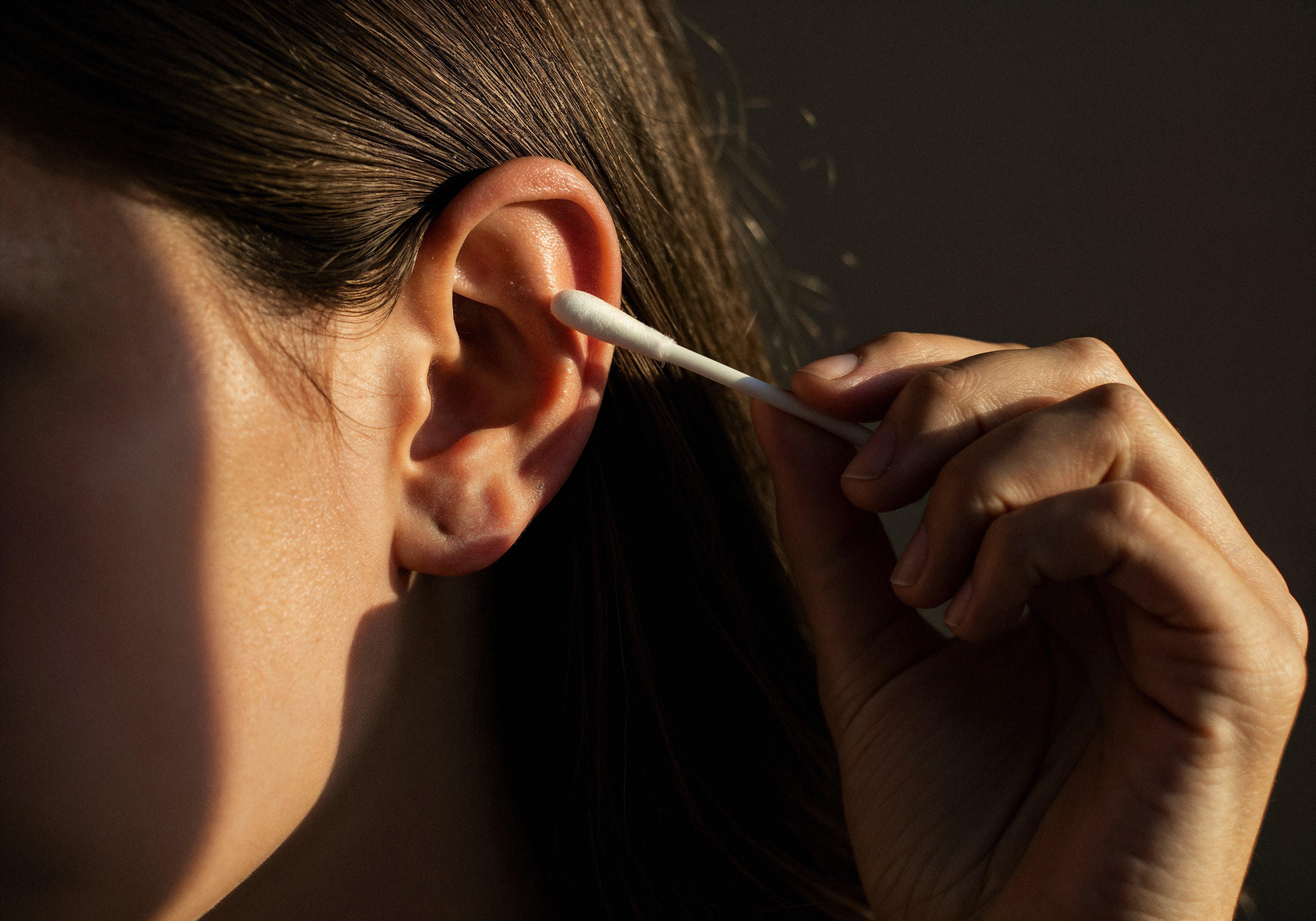
Most people have experienced ear popping at some point—during a flight, while driving through the mountains, or even in the middle of a cold. Although usually harmless, frequent or uncomfortable ear popping can be frustrating and sometimes a sign of an underlying issue.
In this guide, we’ll explore the common causes of ear popping, effective treatments, and simple prevention tips to help you find relief and keep your ears healthy.
What Causes Ear Popping?
Ear popping happens when the pressure inside your ear doesn’t match the pressure outside. This pressure imbalance involves the Eustachian tube, a small passage that connects your middle ear to the back of your throat. When it opens and closes properly, pressure stays balanced. When it doesn’t, popping occurs.
Here are the most common causes:
1. Altitude and Pressure Changes
Rapid pressure shifts—such as flying, driving uphill, scuba diving, or riding elevators—often cause ear popping. This is because the Eustachian tube must work harder to equalize pressure.
2. Sinus Congestion
Colds, allergies, and sinus infections can block the nasal passages and the Eustachian tube, making it harder for your ears to adjust pressure.
3. Earwax Buildup
A hardened plug of earwax can interfere with normal ear function, causing popping, crackling sounds, or a feeling of fullness.
4. Eustachian Tube Dysfunction
When the tube becomes inflamed or isn’t working properly, your ears may pop frequently. This is especially common after respiratory infections.
5. TMJ (Jaw Joint) Disorders
Jaw tension or misalignment can cause sounds or sensations in the ear, sometimes mistaken for popping.
Treatments for Ear Popping
Depending on the cause, different treatments can help relieve ear popping:
1. Yawning, Swallowing, or Chewing Gum
These actions naturally open the Eustachian tube and can quickly relieve pressure.
2. The Valsalva Maneuver
Pinch your nose, close your mouth, and gently blow to force air into the middle ear. This can equalize pressure, but use gentle force to avoid damaging the ear.
3. Nasal Sprays or Decongestants
Helpful when ear popping is linked to allergies, colds, or sinus congestion. These medications reduce swelling around the Eustachian tube.
4. Warm Compresses
Applying a warm cloth near the ear can soothe discomfort caused by congestion or mild inflammation.
5. Earwax Removal
If earwax is the cause, an over-the-counter ear-wax softening solution or a professional cleaning can help.
6. Medical Evaluation
If symptoms persist, an ENT (ear, nose, and throat specialist) can diagnose issues such as chronic Eustachian tube dysfunction, infections, or TMJ problems.
Prevention Tips: How to Reduce Ear Popping
While ear popping can’t always be avoided—especially during flying—these tips can reduce how often it happens:
1. Use the “Ear Plane” Technique When Flying
Chewing gum, swallowing frequently, or using specially designed ear plugs during takeoff and landing can help manage pressure changes.
2. Treat Allergies and Sinus Issues Early
Keeping nasal passages clear makes it easier for the Eustachian tube to function normally.
3. Stay Hydrated
Moist airways help reduce congestion, making pressure equalization smoother.
4. Avoid Sleeping During Takeoff and Landing
Staying awake helps you swallow more often, preventing pressure buildup.
5. Keep Earwax Under Control
Regular, gentle ear care helps prevent blockages that can lead to popping.
When to See a Doctor
Seek medical advice if ear popping is accompanied by:
-
Persistent pain
-
Dizziness or vertigo
-
Hearing loss or muffled hearing
-
Fluid or discharge
-
Symptoms lasting more than a few days
These could indicate an infection, severe congestion, or a more serious ear condition.
Conclusion
Ear popping is usually a simple response to pressure changes, congestion, or temporary ear dysfunction. Understanding the common causes, knowing the best treatments, and using practical prevention strategies can greatly reduce discomfort and protect your ear health.
If popping becomes persistent or painful, don’t ignore it—proper evaluation can help prevent complications and ensure your ears stay healthy.