
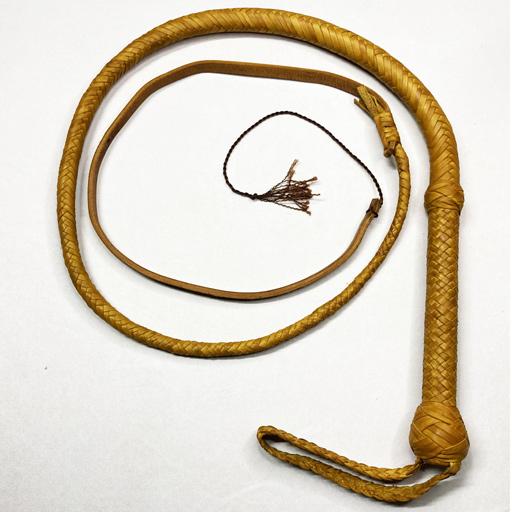
Snake Whip
A snake whip might sound like something straight out of an action movie, but it’s actually one of the most fascinating and versatile tools ever crafted. Sleek, flexible, and powerful, the snake whip has gained popularity among performers, martial artists, hobbyists, and collectors alike. Let’s dive into everything you need to know—no fluff, just clear, engaging insights.
History of the Snake Whip
Origins and Traditional Use
Snake whips have deep roots in ranching and livestock handling. Early versions were used similarly to bullwhips, designed to produce a loud crack that helped direct animals without making physical contact. They were loved for their light weight and easy handling.
Evolution Over Time
As whipmaking evolved, snake whips became more specialized. Craftsmen experimented with braiding styles, lengths, and materials, gradually transforming the whip into a tool that could meet a variety of needs—from practical ranch work to trick cracking and stage performances.
Cultural Significance
In some regions, whips symbolized craftsmanship and heritage. Skilled braiders were respected artisans, and finely made whips were considered status symbols among working cowboys and performers.
Anatomy of a Snake Whip
The Fall and the Popper
A snake whip ends in a fall—a tapered strip designed to transfer energy toward the popper, or cracker. This tiny section is responsible for the iconic “crack,” which is actually a sonic boom.
The Braided Body
Most snake whips have a meticulously hand-braided body. The higher the plait count, the smoother and more durable the whip tends to be.
Handle-Free Structure
Unlike bullwhips, snake whips feature no rigid handle. The entire whip is flexible, making it highly portable and easy to coil.
Materials Used
From robust kangaroo leather to weather-resistant paracord, snake whips can be crafted from numerous materials—each offering different benefits in strength, performance, and longevity.
Types of Snake Whips
Nylon Snake Whips
Affordable, weatherproof, and beginner-friendly, nylon snake whips are ideal for training and outdoor use. They’re durable enough for frequent practice.
Leather Snake Whips
Leather whips—especially kangaroo hide—deliver exceptional performance. They’re smoother, heavier, and more responsive, perfect for experienced users.
Custom and Hybrid Designs
Some whip makers blend materials or add reinforced cores to create specialty whips tailored for speed, precision, or aesthetics.
How Snake Whips Work
The Physics Behind the Crack
When you swing a snake whip, energy travels down its slender, tapering form. As the whip narrows, that energy speeds up, eventually breaking the sound barrier. That sharp crack you hear? A tiny sonic boom.
Differences From Bullwhips
Bullwhips have handles, making them stiffer and easier for some beginners. Snake whips, on the other hand, are fully flexible, offering more fluidity and control once you master them.
Choosing the Right Snake Whip
Length Considerations
Shorter whips (4–6 ft) are perfect for indoor practice. Longer whips offer more power but require more space and control.
Material Strength and Flexibility
Nylon is great for durability. Leather shines in responsiveness. Hybrids balance both.
Skill Level and Training Needs
Beginners often start with nylon for ease of use. Advanced users may prefer high-plait leather whips for performance and precision.
How to Use a Snake Whip Safely
Protective Gear
Eye protection is non-negotiable. Gloves are also smart, especially when learning.
Safe Practice Environments
Open spaces are essential—yards, empty fields, or large indoor areas work best.
Beginner Techniques
Start with simple forward cracks and overhead cracks. These build coordination and control.
Common Mistakes to Avoid
Overextending your arm, cracking too close to yourself, or using a whip that’s too long can cause accidents. Start slow and steady.
Caring for Your Snake Whip
Cleaning and Maintenance
Leather whips need conditioning to stay supple. Nylon whips require occasional cleaning to remove dirt and debris.
Proper Storage Techniques
Avoid kinking the whip. Coil it loosely and store it in a cool, dry place.
Repair Tips
Frayed popper? Replace it. Damaged fall? Many whip makers offer repair services. Never ignore small issues—they grow fast.
Popular Uses of Snake Whips Today
Performance Arts
Snake whips are favorites among circus performers, trick-rope artists, and entertainers thanks to their flexibility and dramatic sound.
Martial Arts and Training
Some martial arts forms incorporate whips for coordination, accuracy, and discipline training.
Collecting and Craftsmanship Appreciation
Collectors love the intricate braiding and artistry behind handcrafted whips. Many consider them functional works of art.
Where to Buy a Quality Snake Whip
Online Stores
Numerous reputable online shops specialize in custom and mass-produced snake whips.
Custom Makers
For the highest quality, many enthusiasts turn to individual craftsmen who hand-braid every whip.
Pricing Guide
Entry-level nylon whips: $$
Mid-range leather whips: $$$
High-end custom whips: $$$$
Conclusion
Snake whips are far more than simple tools—they're a blend of art, physics, and skill. Whether you're interested in practicing whip cracking, performing on stage, diving into martial arts, or simply collecting finely crafted items, a snake whip offers excitement and versatility unlike anything else. With the right knowledge, care, and practice, you can master this incredible tool and enjoy its full potential.
FAQs
- Are snake whips good for beginners?
Yes! Nylon snake whips are especially great for beginners due to their durability and flexibility. - How long should my first snake whip be?
A 4- to 6-foot whip provides a good balance of control and power for most beginners. - Can snake whips be used indoors?
Yes, as long as the space is large enough and free of obstacles. - How often should I condition a leather snake whip?
Typically every few months, depending on use and climate. - What makes a whip crack?
The crack is a sonic boom created when the whip’s tip breaks the sound barrier.