
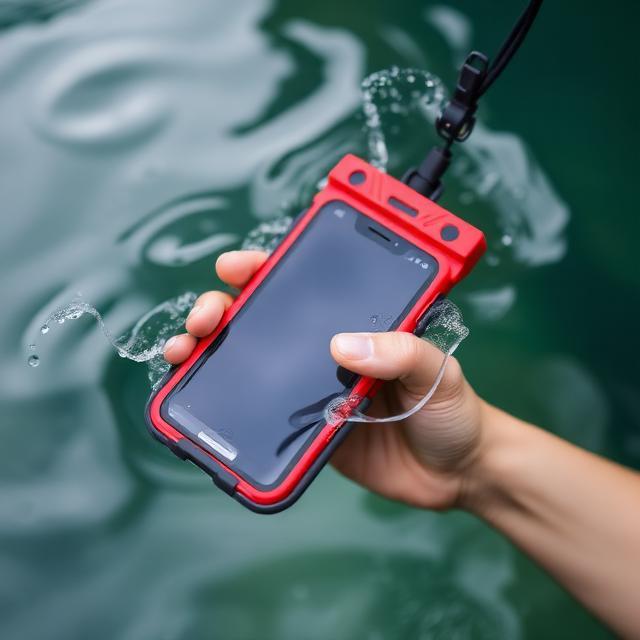
Smartphones have become an essential part of daily life. From communication and photography to navigation, banking, social media, and entertainment, we rely on them constantly. Because we carry phones everywhere, including near water—like swimming pools, beaches, rainy streets, kitchens, and bathrooms—they are at risk of water damage. Even a small splash or accidental drop can damage your phone and lead to expensive repairs.
A waterproof phone cover is a simple, affordable solution to this problem. It protects your device from water, dust, dirt, and sand while allowing you to use the touchscreen, camera, and buttons without removing it. Some covers also feature wrist straps, lanyards, or floating designs, making them perfect for swimming, water sports, and outdoor adventures.
In this guide, you will learn about the benefits of waterproof phone covers, the different types available, how to choose the right one, tips for using them effectively, common mistakes to avoid, and why they are worth investing in. By the end, you will understand why a waterproof phone cover is a must-have accessory for anyone who owns a smartphone.
Benefits of Using Waterproof Phone Covers Daily
A waterproof phone cover offers many advantages. The most obvious benefit is protection against water damage. Smartphones are highly sensitive to liquids, and even minor exposure can cause short circuits, touchscreen failure, or permanent damage. Accidental spills, sudden rain, or dropping your phone in a sink or pool can be costly without proper protection.
Waterproof covers also protect against dust, dirt, and sand. Outdoor activities such as hiking, beach trips, or camping expose your phone to particles that can scratch the screen, block ports, or damage internal components. A waterproof cover acts as a protective barrier to prevent these problems.
Another major benefit is shock absorption. Most waterproof covers are made from durable materials like TPU, silicone, or polycarbonate. They reduce damage from accidental drops, and some designs include reinforced corners for added safety.
Modern waterproof covers also allow full usability. You can answer calls, operate apps, and take photos seamlessly. Some include wrist straps or lanyards for added convenience during outdoor activities.
Finally, using a waterproof phone cover extends the lifespan of your device. By reducing the risk of water damage, dust accumulation, and accidental drops, you save money on repairs and gain peace of mind knowing your phone is safe.
Different Types of Waterproof Phone Covers
There are several types of waterproof phone covers, each designed to suit different lifestyles. Knowing the types helps you choose the best one.
Waterproof Pouches are flexible bags that completely enclose your phone. They are perfect for swimming, kayaking, beach trips, or boating. Transparent pouches allow touchscreen and camera use without removing your phone. They are lightweight, versatile, and usually include wrist straps.
Hard Case Waterproof Covers provide rigid protection against both water and physical damage. Many meet international IP standards like IP67 or IP68. IP67 allows submersion up to one meter for 30 minutes, while IP68 allows deeper or longer submersion. These cases are ideal for everyday protection and outdoor adventures.
Silicone or TPU Covers are flexible, lightweight, and protect against splashes, rain, or minor spills. They often include reinforced corners and anti-slip surfaces to reduce accidental drops.
Some advanced waterproof covers come with dustproof ports, built-in screen protectors, or wrist straps. Fitness enthusiasts may prefer waterproof armbands, which allow safe phone use while running, cycling, or exercising outdoors.
Understanding these types helps you select the right waterproof phone cover for your lifestyle, whether you need full submersion protection or simple splash resistance.
How to Choose the Right Waterproof Phone Cover
Choosing the right waterproof phone cover requires careful consideration. First, identify how you will use it. Do you need protection from rain and splashes, or will your phone be fully submerged during swimming, boating, or water sports? Knowing this narrows down your options.
Check the IP rating. IP67 and IP68 are common. IP67 allows temporary submersion up to one meter for 30 minutes, while IP68 covers deeper or longer submersion. The IP rating ensures your phone receives adequate protection.
Usability is also important. Make sure the cover allows easy access to buttons, ports, and the touchscreen. Low-quality covers may reduce sensitivity or make buttons difficult to press.
Durability matters. Look for covers made of TPU, silicone, or polycarbonate with reinforced corners, shockproof designs, and anti-slip surfaces.
Style can also be a factor. Waterproof covers come in various colors and designs. Choose one that suits your taste while still providing maximum protection.
By considering protection, usability, durability, and style, you can select the perfect waterproof phone cover for your needs.
Tips for Using Waterproof Phone Covers Properly
Owning a waterproof phone cover is only part of the solution. Proper usage ensures maximum protection. Always seal the cover properly before exposing your phone to water. Even a small gap can allow water to enter and damage your phone.
Regular cleaning is important. Dust, sand, and dirt can interfere with the seal. Wipe the cover with a damp cloth after trips to the beach, hiking, or other outdoor activities.
Test your cover occasionally without your phone inside. This ensures the seal is intact and prevents water damage.
Avoid pressing buttons or ports too forcefully. While waterproof covers allow full functionality, excessive pressure can compromise the seal.
Do not expose the cover to extreme conditions outside its design. Prolonged hot water, chemical exposure, or extreme heat may reduce effectiveness. Store the cover away from sunlight and heat when not in use.
By following these tips, your waterproof phone cover will remain reliable and protect your phone effectively.
Common Mistakes People Make with Waterproof Covers
Even the best waterproof phone covers can fail if misused. A common mistake is assuming all covers provide the same protection. Always check the IP rating to determine if the cover is splash-proof, water-resistant, or fully submersible.
Another mistake is not testing the cover before putting your phone inside. Testing ensures the seal works correctly and prevents leaks.
Neglecting maintenance is another issue. Dust, sand, and dirt can reduce effectiveness. Regular cleaning and inspection are essential.
Overconfidence can be risky. Using a splash-proof cover in deep water or prolonged submersion may damage your phone. Follow the manufacturer’s instructions carefully.
Improper storage is another mistake. Keep the cover away from sunlight, heat, and moisture when not in use. Avoid bending rigid covers excessively, as it can reduce protection.
Avoiding these mistakes ensures your waterproof phone cover remains effective and reliable for years.
Why Investing in Waterproof Phone Covers Is Worthwhile
Investing in a waterproof phone cover is a small cost for a significant benefit. Smartphones are expensive, and repairs due to water damage can cost hundreds of dollars. A waterproof cover prevents accidents and protects your valuable data.
It allows you to use your phone confidently near water. You can take pictures at the pool, record videos in the rain, or carry your phone outdoors without worry.
It also prolongs the lifespan of your device. Protecting your phone from water-related damage keeps it functional for years. Users experience less stress and more freedom knowing their device is protected.
Considering the low cost compared to potential repairs or replacement, a waterproof phone cover is a smart investment. It provides safety, convenience, and peace of mind.
Conclusion: Protect Your Smartphone with Confidence
A waterproof phone cover is an essential accessory for protecting your smartphone from water, dust, and dirt. With a variety of designs and features available, there is a cover suitable for every need. Understanding benefits, types, usage tips, and mistakes ensures you select the right cover and use it effectively.
Investing in a waterproof phone cover protects your device, prolongs its lifespan, and provides peace of mind. Whether for daily use or outdoor adventures, a waterproof phone cover is a must-have accessory.
Questions and Answers
Q1: Can all waterproof phone covers be submerged?
A1: No. Always check the IP rating. IP67 or IP68 covers can be submerged, while others only resist splashes.
Q2: Will a waterproof cover reduce touchscreen sensitivity?
A2: High-quality covers allow full touchscreen functionality, though some may slightly reduce sensitivity.