
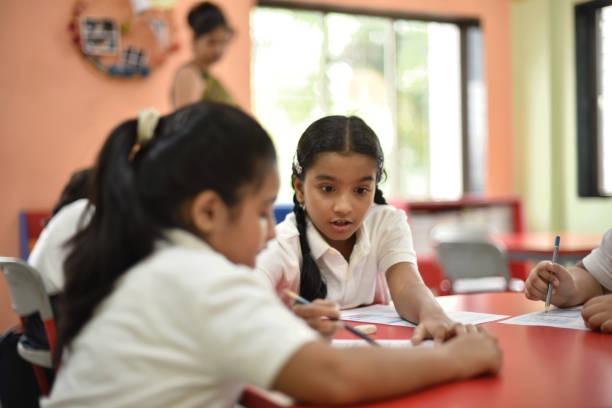
Inclusive education is a fundamental goal of modern schools, and special education is central to achieving it. By providing students with disabilities the necessary support and resources, special education ensures that all learners have equal opportunities to succeed. This approach focuses on academic achievement, social growth, and emotional well-being, creating a well-rounded and supportive educational environment.
Identifying Student Needs
Students in special education programs have diverse learning needs that require individualized approaches. Teachers assess each student to understand strengths, weaknesses, and preferred learning styles. Lessons are then adapted to meet these needs through strategies such as visual aids, hands-on learning, and interactive technology. For example, students with attention challenges may benefit from structured, short lessons, while those with learning disabilities may use adaptive software or guided reading programs. Addressing individual needs helps students engage with the curriculum and make measurable progress.
Teaching Strategies in Special Education
Special education programs use innovative teaching strategies to ensure all students can succeed. Multi-sensory instruction, task breakdowns, and interactive lessons enhance comprehension and retention. Positive reinforcement, clear instructions, and consistent feedback motivate students and build confidence. Teachers also adjust pacing to match each learner’s capabilities, allowing students to achieve academic goals at their own speed while developing critical thinking and problem-solving skills.
Individualized Education Plans (IEPs)
Individualized Education Plans (IEPs) are vital to effective special education. These plans define learning objectives, teaching methods, accommodations, and assessment strategies tailored to each student. Developed collaboratively by teachers, parents, and specialists, IEPs provide a roadmap for academic success and personal growth. Regular review and updates ensure that the plan continues to meet the student’s evolving needs and supports their progress over time.
Collaboration and Support
Collaboration is a critical aspect of special education. Teachers, specialists, and families work together to provide consistent support and interventions. Specialists such as speech therapists, occupational therapists, and counselors offer strategies to address specific challenges, while parents reinforce learning at home. This collaborative approach ensures that students receive comprehensive support, fostering both academic and social development.
Challenges in Special Education
Special education programs often face obstacles, including limited funding, staff shortages, and societal misconceptions about disabilities. Large class sizes and insufficient resources can affect the quality of individualized instruction. Addressing these challenges requires advocacy, professional development, and public awareness to emphasize the importance of inclusive education. With proper support and investment, these obstacles can be mitigated, ensuring effective special education programs.
Benefits for Students and Communities
Special education benefits students academically, socially, and emotionally. Students develop confidence, independence, and social skills, preparing them for success in higher education and careers. Inclusive classrooms foster empathy, collaboration, and respect among all students, strengthening the school community. By supporting students with disabilities, special education contributes to building a more inclusive, understanding, and equitable society.
Conclusion
Special education is essential for creating inclusive and supportive learning environments. Through individualized instruction, IEPs, collaborative support, and innovative teaching strategies, students with disabilities can overcome challenges and achieve success academically and socially. Despite challenges, investing in and improving special education programs ensures equitable opportunities for all learners. Ultimately, these programs empower students to thrive, promoting inclusion and fostering a positive impact on schools and communities.