
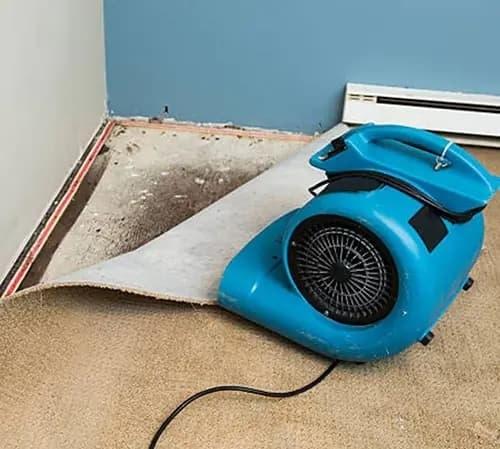
Professional After Death Cleanup follows a precise, compassionate, and safety-driven process designed to restore a property after an unattended death, homicide, suicide, or traumatic event. Companies like Ideal Response handle these sensitive situations with expertise, ensuring the affected environment becomes safe, sanitary, and livable again. Their method blends technical skill, strict compliance, and emotional understanding for families facing difficult moments.
Initial Assessment and Safety Preparation
A professional cleanup begins with a detailed on-site assessment. The team inspects the affected areas to identify all visible and hidden contamination. They evaluate biohazards such as bloodborne pathogens, bodily fluids, and structural damage that may require deeper treatment.

The crew then establishes safety zones, secures the site, and puts on personal protective equipment. This preparation prevents cross-contamination and ensures the cleanup occurs in controlled conditions. By acting quickly and decisively, Ideal Response reduces further property deterioration and protects everyone involved.
Biohazard Removal and Deep Cleaning
Once the team understands the extent of contamination, they begin safely removing all biological material. This includes blood, tissue, and any affected materials like flooring, furniture, drywall, and personal belongings that cannot be salvaged. Technicians handle every item using approved disposal procedures that comply with local and national regulations.
After removing hazardous material, the cleanup experts perform deep cleaning. They scrub, disinfect, and sanitize every surface to eliminate pathogens, stains, and odors. This stage uses industrial-strength chemicals and equipment designed for trauma scenes. The goal is full decontamination so the space no longer presents health risks.
Odor Elimination and Structural Treatment
Odors from decomposition can penetrate walls, subfloors, and ventilation systems. Professional After Death Cleanup includes advanced odor-neutralizing techniques such as ozone treatment, hydroxyl generators, and HEPA filtration. These systems break down odor-causing molecules instead of masking them.

During this phase, technicians also evaluate structural elements for hidden contamination. If fluids seeped into cracks or porous materials, they remove and replace those sections. These steps ensure long-term safety and prevent future issues like mold, bacteria, or foul smells.
Environmental Remediation and Restoration
After completing the core biohazard cleanup, companies like Ideal Response move into broader Environmental Remediation. This process focuses on restoring affected indoor environments to a safe and stable condition.
Environmental remediation may include:
- Air quality improvement
- Mold prevention
- Ventilation cleaning
- Waste treatment
- Moisture control
Sometimes, areas impacted by a traumatic incident also suffer damage from related events such as fire or water. In those cases, cleanup professionals integrate services like Emergency fire damage restoration or a Flood Damage Restoration Service to ensure the property returns to pre-incident condition. Their comprehensive approach prevents secondary damage and helps families or property owners move forward with confidence.
Final Inspection and Clearance
Before completing the job, the cleanup team conducts a final walkthrough. They inspect the property thoroughly to ensure all hazards have been removed and every section meets strict sanitation standards. Clearance testing may include air sampling, moisture checks, or surface verification.
Once the site passes final evaluation, they return control of the property to the owner. The environment is now clean, safe, and ready for restoration or reoccupation.
Compassionate Support Throughout the Process
Professional After Death Cleanup is not just a technical task. It often helps families cope with emotionally overwhelming situations. Companies like Ideal Response focus on providing respectful, discreet, and understanding service from start to finish. Their goal is to handle the physical burden so families can focus on healing.