
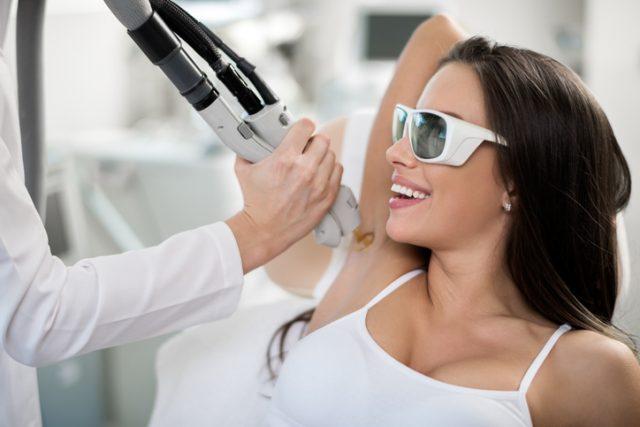
Laser hair removal (إزالة الشعر بالليزر) can be highly effective, but to ensure the best results, it needs to be tailored to your specific skin tone and hair type. Not all lasers are the same, and each type has unique advantages depending on your individual characteristics. Here's how laser hair removal can be customized to work for you:
1. Laser Technology for Different Skin and Hair Types
The type of laser used is critical to achieving safe and effective results. Laser technology has advanced significantly, allowing treatments to be tailored for a wider range of skin tones and hair colors.
A. For Light Skin & Dark Hair (Classic Combo)
-
Best Laser Type: Alexandrite and Diode lasers.
-
How It Works: These lasers are designed to target the dark pigment (melanin) in the hair. For people with light skin and dark hair, this is the ideal combination because the laser can precisely focus on the hair follicle without affecting the surrounding skin.
-
Treatment Benefits: Fast treatment times, minimal discomfort, and excellent results with minimal risk of side effects.
B. For Darker Skin (Higher Melanin Levels in Skin)
-
Best Laser Type: Nd:YAG laser.
-
How It Works: The Nd:YAG laser is designed to penetrate deeper into the skin, making it a safer option for people with darker skin tones. It bypasses the melanin in the skin and focuses on the hair follicle, reducing the risk of skin discoloration (hyperpigmentation or hypopigmentation).
-
Treatment Benefits: Safer for darker skin tones while still being effective for hair removal. This laser is used on individuals with Fitzpatrick skin types IV-VI (medium to dark skin).
C. For Lighter Hair
-
Best Laser Type: Alexandrite or Diode lasers, but Effectiveness Is Limited.
-
How It Works: Laser hair removal is more effective when there’s a strong contrast between the color of the hair and the surrounding skin. Light-colored hair (blonde, gray, red) doesn’t absorb the laser light as efficiently as dark hair. As a result, multiple treatments may be required, and results can be less predictable.
-
Treatment Adjustments: For lighter hair, some clinics may use a more focused approach, increasing the intensity or combining treatments with electrolysis for the best outcome.
D. For Fine Hair
-
Best Laser Type: Alexandrite and Diode lasers.
-
How It Works: Fine hair can be harder to treat because it has less pigment. However, these lasers can still work effectively with multiple treatments. If the fine hair is light-colored, results might be slower or less permanent.
-
Treatment Benefits: Requires more sessions to target finer hair follicles and may require adjustment of the energy levels of the laser.
2. Factors to Consider Before Your Treatment
To ensure that the laser hair removal treatment is tailored for your skin and hair type, the clinic should consider the following factors:
A. Your Skin Tone
-
The Fitzpatrick scale is used to classify skin types from I (very fair skin) to VI (very dark skin). Clinics should assess your skin type and select the right laser based on that classification.
-
Light skin: Alexandrite or Diode lasers work well.
-
Medium to dark skin: Nd:YAG is often recommended.
B. Your Hair Color and Texture
-
Dark, coarse hair: Best for laser hair removal, as the laser can target the melanin in the hair follicle.
-
Light, fine hair: May not respond as effectively to laser treatment, though some newer technologies are improving this.
-
Gray or white hair: Difficult to treat, as the laser needs pigment to target. Alternatives like electrolysis may be more effective.
C. The Treatment Area
-
Areas like the face, underarms, bikini line, and legs can all be treated with lasers. However, some areas have more sensitive skin, so numbing creams or cooling devices may be needed for comfort, especially when treating delicate areas.
-
For larger areas like the back or legs, Diode lasers are typically used because they can cover a larger surface area faster.
3. How to Customize Your Treatment Plan
A. Personalized Consultation
-
A thorough consultation with your practitioner is essential to understand your skin and hair type, as well as your goals. During this consultation, your practitioner should:
-
Assess your skin tone: Determine whether you are a candidate for laser hair removal based on your skin type.
-
Evaluate your hair type: Understand the thickness, color, and growth pattern of your hair.
-
Review your medical history: Identify any contraindications such as recent sun exposure, certain medications (like photosensitizing drugs), or skin conditions that may affect treatment.
-
B. Patch Test
-
A patch test should be conducted on a small area to test how your skin reacts to the laser. This helps the practitioner determine the right laser settings and ensures there are no adverse reactions.
C. Laser Settings Adjustment
-
The energy level, pulse duration, and wavelength will be adjusted based on your skin tone and hair type.
-
If you have darker skin, the practitioner will adjust the laser settings to avoid burning the skin while still targeting the hair follicle effectively.
D. Tailored Number of Sessions
-
The number of sessions varies based on your hair’s growth cycle and the area being treated. For optimal results, a typical course is 6-8 treatments, spaced 4-6 weeks apart.
-
Lighter and finer hair may need more sessions, while dark, coarse hair usually requires fewer.
4. Before and After Care for Best Results
-
Before the treatment:
-
Avoid sun exposure for at least 2 weeks prior to your session. A tan can make your skin more sensitive and increase the risk of side effects.
-
Don’t wax, pluck, or bleach your hair for at least 6 weeks before treatment. Shaving is recommended to remove the surface hair.
-
-
After the treatment:
-
Expect some redness and swelling, which should subside within a few hours.
-
Avoid sun exposure: Wear sunscreen (SPF 30 or higher) if you must go outside.
-
Avoid hot showers, saunas, or excessive sweating for 24-48 hours to reduce irritation.
-
5. Additional Considerations for Tailored Treatments
-
Pain Management: If you’re concerned about discomfort, ask your provider about cooling techniques, numbing creams, or pain-relief options.
-
Cost: Laser hair removal prices depend on the area being treated and the number of sessions needed. Smaller areas like the upper lip are more affordable than larger areas like the back or legs.
6. Potential Side Effects
While laser hair removal is generally safe, there can be some side effects:
-
Redness and swelling: Temporary irritation, similar to a mild sunburn, which usually resolves in a few hours.
-
Pigment changes: Rare, but possible, especially for darker skin tones. This can include hyperpigmentation (darkening) or hypopigmentation (lightening).
-
Scarring or burns: Extremely rare when performed by trained professionals.
Conclusion
Laser hair removal tailored to your skin and hair type is the key to achieving safe, effective, and long-lasting results. By selecting the right laser and adjusting treatment plans, you can minimize risks and ensure that you’re getting the best outcome.