
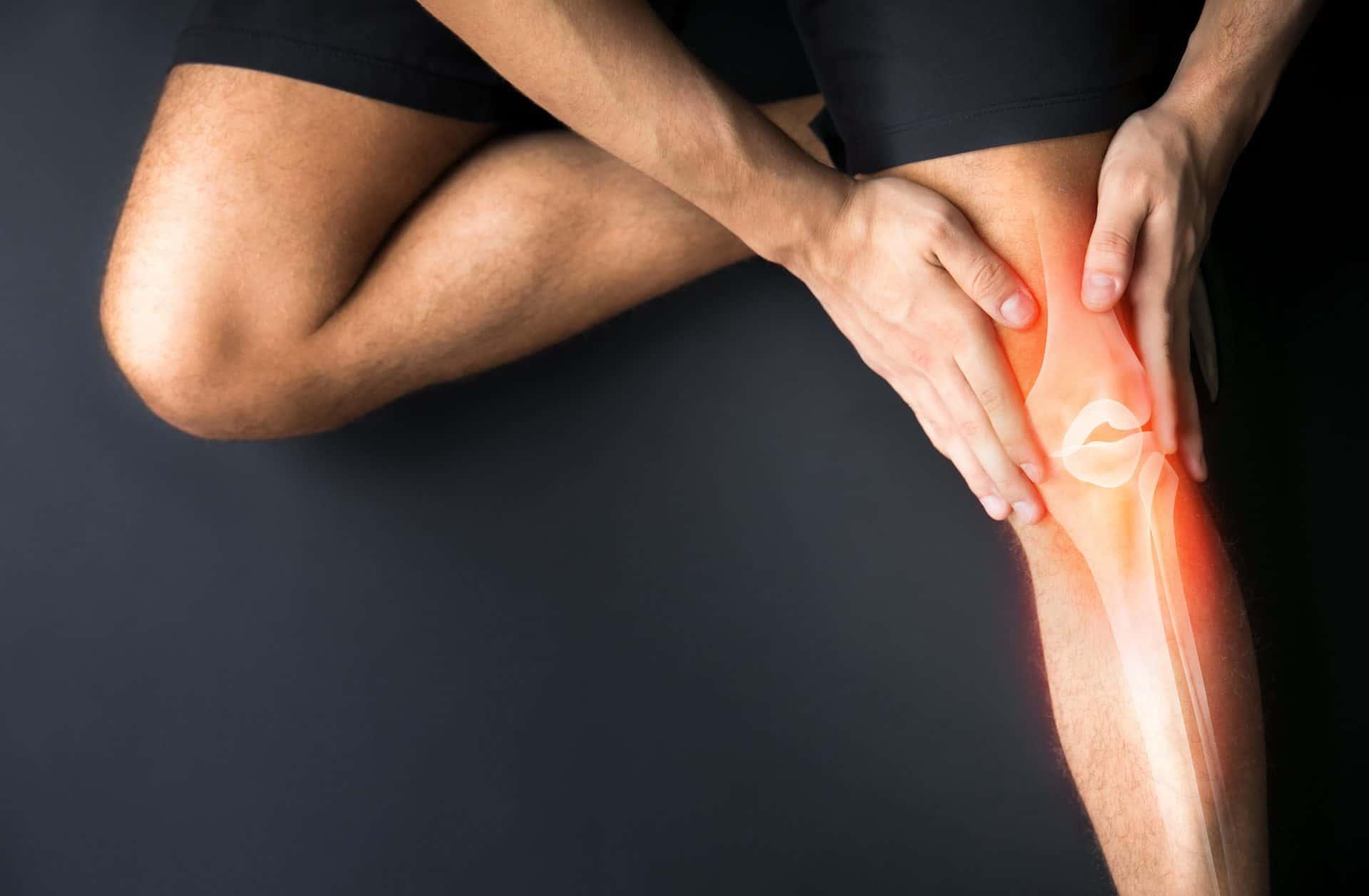
Severe knee pain can significantly affect daily life, limiting mobility and reducing overall quality of life. Simple activities such as walking, climbing stairs, or standing for long periods may become difficult. Many patients believe that once knee pain becomes intense, knee replacement surgery is the only solution. However, this is not always true. The right treatment depends on the underlying cause, stage of joint damage, and the patient’s overall health and lifestyle.
Understanding available treatment options helps patients make informed decisions and seek timely orthopedic care.
What Causes Severe Knee Pain?
Severe knee pain can result from multiple conditions, not all of which require surgery. Common causes include:
-
Advanced knee osteoarthritis
-
Cartilage degeneration
-
Ligament or meniscus injuries
-
Chronic inflammation
-
Previous trauma or untreated injuries
-
Excess body weight putting pressure on the knee joint
While pain severity may be high, the structural damage inside the knee varies from patient to patient. This is why proper diagnosis is critical before considering any surgical procedure.
Non-Surgical Treatment Options for Severe Knee Pain
In many cases, knee pain can be managed effectively without surgery, especially in early to moderate stages.
1. Medication and Pain Management
Anti-inflammatory medications and pain relievers can reduce inflammation and provide temporary relief. These treatments are usually combined with other conservative approaches rather than used alone.
2. Physiotherapy and Exercise
Targeted physiotherapy strengthens muscles around the knee, improves flexibility, and reduces joint stress. Regular guided exercises often delay the progression of arthritis and improve function.
3. Weight Management
Excess weight significantly increases pressure on knee joints. Even modest weight loss can reduce pain and slow joint degeneration.
4. Lifestyle Modifications
Avoiding activities that strain the knees, improving posture, and using supportive footwear can make a noticeable difference in pain levels.
5. Injections and Advanced Non-Surgical Therapies
In some cases, injections may help reduce pain and inflammation, providing relief for several months. These treatments are usually recommended after evaluating joint condition through imaging and clinical assessment.
When Non-Surgical Treatment Is No Longer Enough
While conservative treatments can be effective, they may not provide lasting relief in advanced cases. Surgery is usually considered when:
-
Knee pain persists despite long-term non-surgical treatment
-
Walking distance becomes severely limited
-
Pain affects sleep and daily activities
-
Knee stiffness and deformity increase
-
X-rays show significant joint damage
At this stage, Knee Replacement Surgery in Jaipur may be the most reliable option to restore mobility and relieve pain.
Is Knee Replacement Always Necessary for Severe Pain?
Not every patient with severe pain requires immediate knee replacement. Some individuals may have severe symptoms but moderate joint damage, while others may have advanced arthritis with manageable pain. Treatment decisions are based on:
-
Degree of cartilage loss
-
Alignment of the knee joint
-
Patient’s age and activity level
-
Response to previous treatments
A personalized approach ensures that surgery is recommended only when it offers clear long-term benefits.
Understanding Knee Replacement Surgery
Knee replacement surgery involves replacing damaged joint surfaces with artificial implants designed to restore smooth movement and stability. Modern techniques allow precise alignment, improved function, and long-lasting results.
Patients undergoing Knee Replacement Surgery in Jaipur often experience significant pain relief and improved mobility when the procedure is performed by an experienced specialist.
Expert Guidance at Jaipur Joints
Jaipur Joints is a specialized orthopedic clinic led by Dr. Lalit Modi, an experienced orthopedic surgeon with over 15 years of expertise in orthopedics, joint replacement, and arthroscopy. Dr. Modi is widely regarded as one of the Best Knee Replacement Surgeons in Jaipur, known for his patient-focused approach and accurate surgical decision-making.
As a trusted Joint Replacement Surgeon in Jaipur, Dr. Lalit Modi emphasizes thorough evaluation, conservative treatment whenever possible, and advanced surgical care when necessary. The clinic provides comprehensive solutions for knee pain, ranging from non-surgical management to complete joint replacement.
Benefits of Choosing the Right Time for Surgery
Delaying knee replacement when it is clearly needed can lead to worsening deformity, muscle weakness, and reduced post-surgery recovery. On the other hand, undergoing surgery too early may expose patients to unnecessary risks.
Expert assessment helps identify the right timing, ensuring optimal outcomes and long-term joint function.
Life After Knee Replacement
Most patients experience improved mobility, reduced pain, and better quality of life after surgery. With proper rehabilitation and physiotherapy, patients can return to routine activities and maintain joint health for years.
Conclusion
Knee replacement is not the only option for severe knee pain, especially in the early stages. Many patients benefit from non-surgical treatments, lifestyle changes, and physiotherapy. However, when joint damage becomes advanced and pain affects daily life, Knee Replacement Surgery in Jaipur offers a reliable and long-lasting solution.
For accurate diagnosis and personalized treatment planning, consultation with an experienced specialist is essential. Under the expert care of Dr. Lalit Modi at Jaipur Joints, patients receive comprehensive evaluation and trusted solutions from one of the Best Knee Replacement Surgeons in Jaipur.