
Fiber and Hemorrhoids: Understanding the Digestive Link | Bestwrites
The connection between fiber and hemorrhoids is one of the most important yet often overlooked aspects of digestive health. Hemorrhoids, commonly known as piles, are swollen veins in the rectal or anal area that develop due to excessive pressure during bowel movements. One of the leading causes of this pressure is constipation, which is closely linked to low fiber intake.
Understanding how fiber affects digestion can help prevent hemorrhoids, reduce symptoms, and support long-term gut health.
How Digestion Affects Hemorrhoids
Digestion plays a direct role in stool formation and bowel movement frequency. When digestion is slow or incomplete, stools become hard and dry. This forces the body to strain during bowel movements, increasing pressure on rectal veins and leading to hemorrhoids.
Poor digestive habits, low fiber diets, dehydration, and irregular eating patterns all contribute to digestive imbalance and hemorrhoid development.
What Is Dietary Fiber?
Dietary fiber is a type of carbohydrate found in plant-based foods that the body cannot fully digest. Instead of being absorbed, fiber passes through the digestive system, helping regulate bowel movements and maintain gut health.
Fiber supports digestion by:
- Adding bulk to stool
- Retaining water in the intestines
- Promoting regular bowel movements
- Supporting healthy gut bacteria
These actions directly reduce the risk of hemorrhoids.
Types of Fiber and Their Role in Hemorrhoids
Soluble Fiber
Soluble fiber dissolves in water and forms a gel-like substance in the digestive tract. This helps soften stool and makes bowel movements easier and less painful.
Good sources of soluble fiber include:
- Oats
- Apples and pears
- Bananas
- Lentils and beans
Soluble fiber is especially helpful for people experiencing hard stools and painful bowel movements.
Insoluble Fiber
Insoluble fiber does not dissolve in water. Instead, it adds bulk to stool and helps move waste through the digestive system more efficiently.
Good sources include:
- Whole grains
- Leafy green vegetables
- Carrots and broccoli
- Nuts and seeds
Insoluble fiber supports bowel regularity and prevents constipation-related hemorrhoids.
A balanced intake of both fiber types is essential for digestive health and hemorrhoids control.
How Fiber Helps Prevent and Manage Hemorrhoids
Fiber improves stool consistency, making it softer and easier to pass. This reduces straining, which is the primary trigger for hemorrhoids. Regular fiber intake also promotes predictable bowel habits, preventing sudden constipation episodes that can worsen piles.
Benefits of adequate fiber intake include:
- Reduced constipation
- Less straining during bowel movements
- Decreased pain, swelling, and irritation
- Lower risk of hemorrhoids recurrence
Recommended Daily Fiber Intake
For healthy digestion and hemorrhoids prevention, experts recommend:
- Men: 30–38 grams of fiber per day
- Women: 21–25 grams of fiber per day
People with hemorrhoids may benefit from gradually increasing fiber intake toward the higher end of these ranges, while ensuring proper hydration.
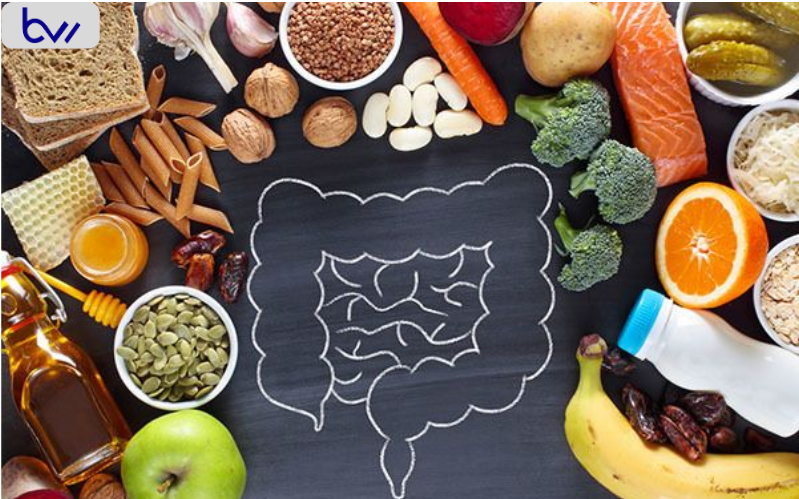
Best Fiber-Rich Foods for Digestive Health
Whole Grains
Oats, brown rice, whole wheat bread, barley, quinoa, and bran cereals help regulate bowel movements.
Fruits
Apples, pears, papaya, figs, berries, oranges, and bananas provide fiber, water, and natural digestive enzymes.
Vegetables
Spinach, kale, lettuce, carrots, broccoli, pumpkin, zucchini, and sweet potatoes support digestion and stool softness.
Legumes
Lentils, chickpeas, kidney beans, black beans, and peas are excellent sources of fiber and plant protein.
Nuts and Seeds
Chia seeds, flaxseeds, almonds, and walnuts provide fiber and healthy fats that lubricate the digestive tract.
Importance of Water With Fiber
Fiber needs water to work effectively. Without adequate hydration, fiber may worsen constipation instead of relieving it. Drinking 8–10 glasses of water daily helps fiber soften stools and supports smooth digestion.
Common Fiber-Related Mistakes
- Increasing fiber too quickly
- Not drinking enough water
- Relying only on fiber supplements
- Eating mostly refined foods
Avoiding these mistakes improves the digestive benefits of fiber.
Final Thoughts
Understanding the relationship between fiber and hemorrhoids highlights the importance of digestive health in piles prevention and relief. Fiber supports digestion by softening stools, improving bowel regularity, and reducing straining—key factors in managing hemorrhoids.
A diet rich in whole grains, fruits, vegetables, legumes, nuts, and seeds, combined with proper hydration and healthy habits, provides a natural and effective solution for long-term digestive comfort and hemorrhoids control.