
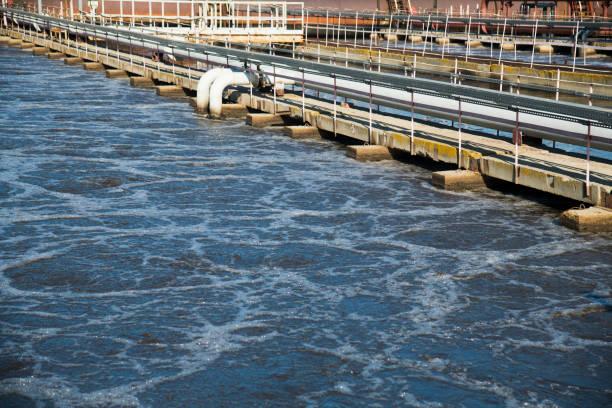
Combining aerobic and anaerobic digestion creates a more efficient wastewater treatment system than using either alone. Anaerobic digestion first handles high-concentration organics, reducing COD/BOD loads by 60–80%—this lightens the burden on downstream aerobic systems, cutting their aeration energy use.
Anaerobic processes also produce biogas, offsetting the plant’s overall energy costs. Then, aerobic digestion polishes the effluent, removing remaining small organics, pathogens, and nutrients (like ammonia) to meet strict discharge or reuse standards.
For example, food processing plants use this combo: anaerobic digestion breaks down fats and sugars to make biogas, while aerobic treatment ensures water is clean enough for reuse in cooling or cleaning. This synergy balances energy efficiency, cost savings, and water quality compliance—ideal for complex wastewater needs. Click here to know more.