
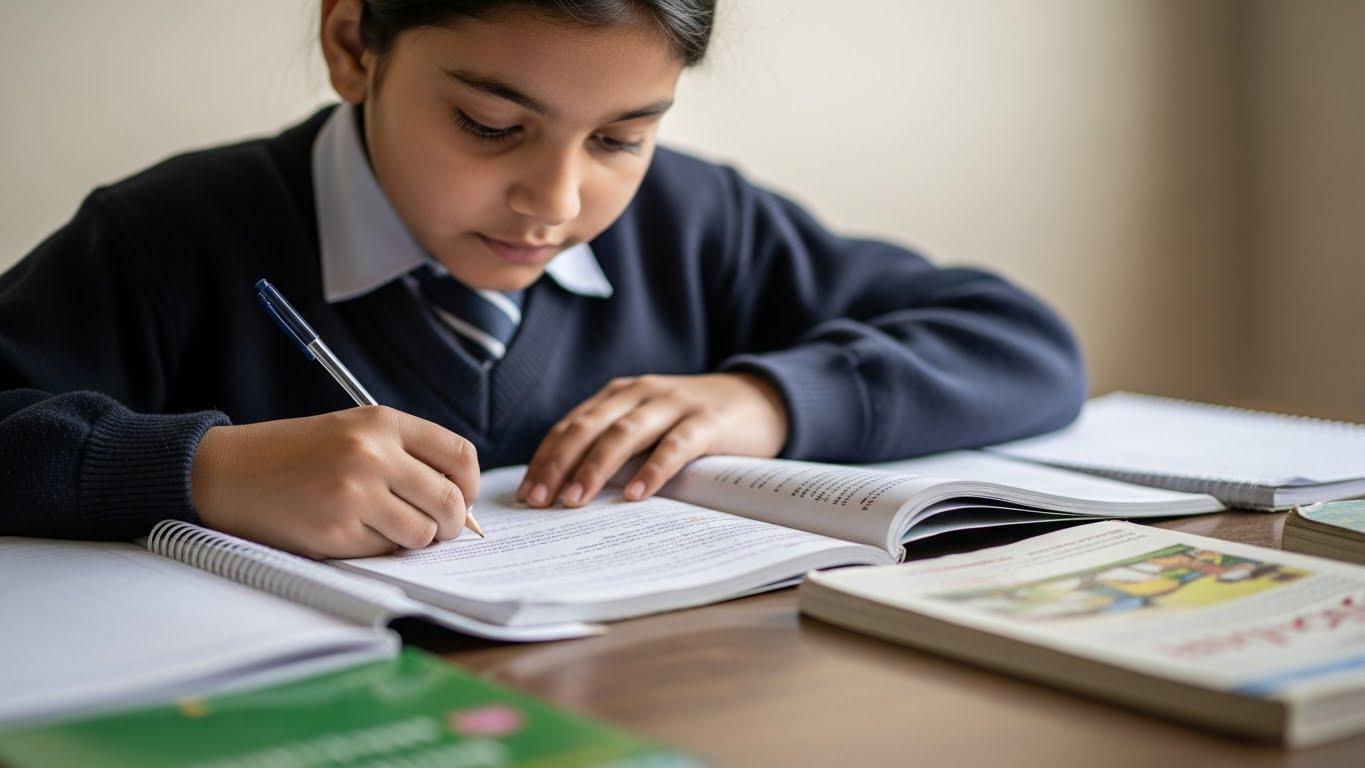
Education shapes confidence, direction, and opportunity. For Christian children in Pakistan, the ability to stay in school is often influenced by stability rather than intelligence or motivation. Families value education deeply, and children want to learn, yet financial barriers quietly interrupt schooling. Uniforms, textbooks, school supplies, shoes, and school fees often determine whether education continues or stops.
MinorCare Foundation exists to protect education from these interruptions. The goal is simple and practical. Keep children in school consistently so learning can continue with dignity and focus.
Understanding the Reality for Christian Children in Pakistan
Christian children in Pakistan belong to a marginalized minority community. While parents strongly believe in education, many families face financial challenges that affect school attendance. Education costs rarely appear all at once. They accumulate gradually until schooling becomes uncertain.
A missing uniform, delayed fee, or worn-out shoes can lead to missed school days. Over time, these small disruptions weaken academic progress and confidence. Preventing interruptions requires addressing all education needs together rather than responding after problems arise.
Why Consistent Education Matters
Education is most effective when it is uninterrupted. Regular attendance helps children build routines, stay focused, and develop confidence. Lessons build naturally from one day to the next, allowing teachers and students to move forward together.
When education is disrupted, children often struggle to regain momentum. Missed lessons create gaps in understanding, which can reduce motivation. For Christian children in Pakistan, these disruptions are usually caused by affordability rather than lack of effort.
Consistency transforms education into a reliable foundation instead of a fragile opportunity.
Everyday Barriers That Interrupt Schooling
Staying enrolled in school requires meeting several ongoing requirements. These needs are essential, yet they often go unnoticed until they become barriers.
Common requirements include:
-
School-approved uniforms
-
Textbooks for all required subjects
-
Notebooks and writing materials
-
School bags and basic supplies
-
Tuition and examination fees
-
Proper footwear
For families with limited income, these costs add up throughout the year. When even one requirement cannot be met, children may be asked to stay home. Over time, repeated absences make returning to school more difficult.
Protecting education means ensuring all needs are met together.
Why Christian Families Face Greater Education Challenges
Christian families in Pakistan often work in low-income occupations such as daily labor, domestic work, or small trades. These jobs provide limited flexibility when school expenses arise unexpectedly. Even modest costs can disrupt education plans.
In addition, some traditional charitable systems do not reach Christian households. Zakat, for example, has religious eligibility requirements. This creates a support gap that directly affects education access for Christian children. This explanation is factual and neutral, provided only to clarify why education gaps exist.
MinorCare Foundation works to bridge this gap so education access is based on need rather than religious background.
MinorCare Foundation’s Full-Year Education Model
MinorCare Foundation is a U.S.-registered 501(c)(3) nonprofit organization with EIN 99-3322035. The foundation currently supports 200+ students across three schools in Laliyani, Kasur, Punjab, Pakistan. Students range in age from 5 to 15, enrolled from nursery through Class 7.
Rather than offering partial or short-term help, MinorCare provides complete education support for the entire academic year. This approach ensures no single missing item forces a child out of school.
Each supported student receives:
-
A complete school uniform
-
Textbooks for all required subjects
-
A school bag
-
Essential school supplies
-
Shoes
-
Full coverage of tuition and examination fees
This comprehensive support allows children to focus on learning rather than worrying about basic necessities.
Education With Dignity and Normalcy
Dignity is central to MinorCare’s approach. Support is provided in a way that allows children to participate fully in school life without being singled out.
Uniforms are complete and appropriate. Supplies match what classmates use. Fees are handled discreetly and in advance. Children attend school with confidence rather than concern.
This dignity-focused model supports emotional well-being, regular attendance, and long-term engagement with learning.
The Role of Routine in Child Development
Routine plays a key role in childhood development. Regular school attendance helps children build discipline, responsibility, and focus. These habits support both academic success and personal growth.
For Christian children in Pakistan, routine also provides emotional security. Knowing they will return to school each day without interruption reduces uncertainty. Stability allows children to concentrate on learning rather than worrying about whether they will be able to attend school tomorrow.
Long-Term Impact of Stable Schooling
Consistent education supports more than academic learning. It helps children develop communication skills, confidence, and problem-solving abilities. These skills support long-term opportunity and resilience.
Stable schooling also encourages positive relationships with teachers and classmates. Over time, these relationships create a sense of belonging and motivation. For marginalized children, this stability becomes a foundation for future growth.
Clear and Verified Education Costs
MinorCare Foundation uses only verified figures:
-
$120 supports one child for a full academic year
-
$10 per month provides steady education support
-
200+ students are currently supported
These figures are based on actual education requirements. There are no assumed costs or unverified claims. Every dollar directly supports a child’s ability to remain in school consistently.
How People Choose to Support Education
Many people want to help Christian children in Pakistan but prefer clear, responsible options. Some choose to support education through structured monthly giving, while others contribute annually.
One option allows supporters to donate through a platform where 100 percent reaches students, ensuring education costs are covered directly.
Frequently Asked Questions
What is MinorCare Foundation?
MinorCare Foundation is a U.S.-registered 501(c)(3) nonprofit organization focused on supporting education for Christian children in Pakistan. The foundation works to remove financial barriers so children can attend school consistently and with dignity.
Where does MinorCare operate?
MinorCare operates three schools in Laliyani, Kasur, Punjab, Pakistan. These schools serve children from nursery through Class 7 and provide structured learning environments that support continuous education.
How many students does MinorCare support?
MinorCare currently supports 200+ students. The long-term goal is to expand access while maintaining complete, uninterrupted education support for every enrolled child.
What does MinorCare provide to students?
MinorCare provides uniforms, textbooks, school bags, essential supplies, shoes, and full coverage of tuition and examination fees. This ensures children can remain in school without interruption.
How does education change these children’s lives?
Consistent education builds confidence, routine, and long-term focus. When children attend school regularly, they gain skills, stability, and the ability to imagine futures shaped by learning rather than uncertainty.
Final Thoughts
Education creates its greatest impact when it is uninterrupted. For Christian children in Pakistan, consistent schooling provides more than academic instruction. It offers structure, confidence, and direction.
By focusing on full-year education support and removing financial barriers, MinorCare Foundation helps ensure children remain in school and continue learning with dignity. When education is stable, children are free to focus on growth rather than uncertainty, allowing learning to shape futures one school year at a time.