
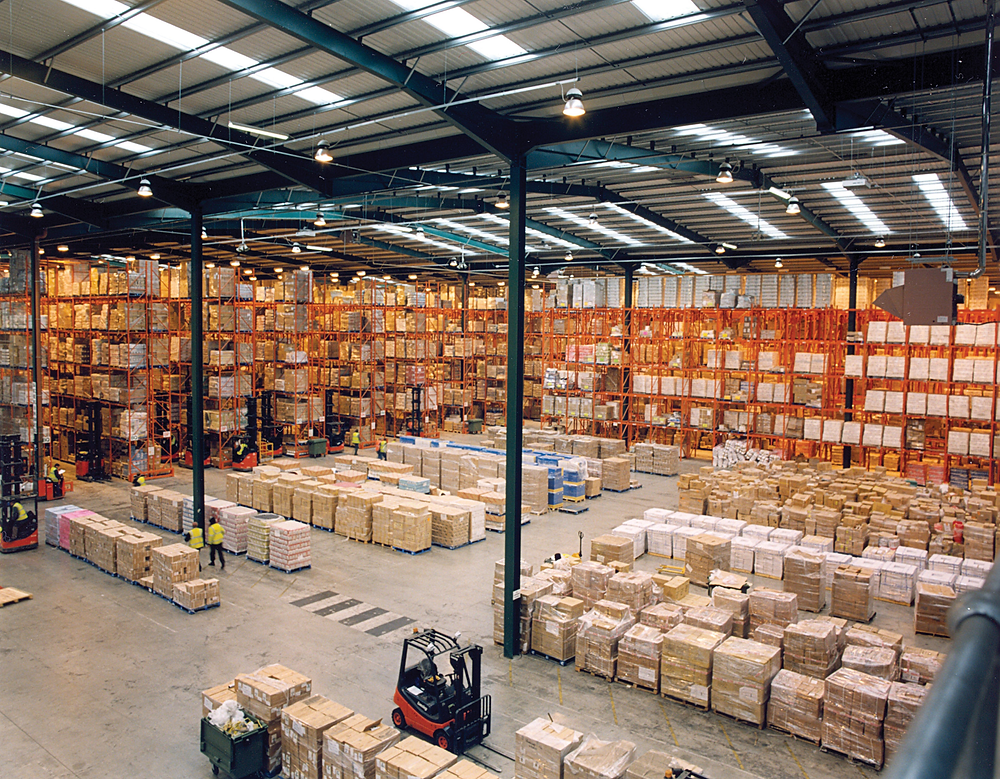
In the fast-paced world of modern commerce, "fast delivery" has shifted from a premium perk to a baseline expectation. Whether it’s a consumer waiting for a smartphone or a factory awaiting a critical spare part, the speed of the last mile is often determined long before a vehicle even hits the road. Behind every "out for delivery" notification is a complex web of logistics where the efficiency of a warehouse service provider becomes the deciding factor. By bridging the gap between production and the end consumer, these providers ensure that the supply chain doesn't just move, but accelerates.
Strategic Proximity: The End of Long-Haul Delays
One of the most significant shifts in logistics is the move toward "decentralized warehousing." Traditionally, goods were kept in massive, faraway hubs. However, industry data suggests that proximity is the new currency of speed. By utilizing smaller, strategically located fulfillment centers near major metropolitan areas, businesses can slash transit times from days to hours. This "hyper-local" approach allows for same-day delivery models that were once thought impossible. When inventory is sitting just twenty miles away from the customer rather than five hundred, the risk of highway delays or weather-related disruptions is drastically minimized.
Automation and the "Zero-Touch" Aspiration
The modern warehouse is no longer just a room full of shelves; it is an engine of data and robotics. According to recent logistics reports, the integration of Warehouse Management Systems (WMS) and AI-driven robotics has reduced "click-to-ship" times by nearly 40%.
-
Automated Picking: Robots can navigate aisles and retrieve items far faster than human counterparts, working 24/7 without fatigue.
-
Predictive Slotting: AI analyzes buying patterns to place high-demand items closer to the packing stations, shaving precious seconds off every order.
-
Smart Sorting: High-speed conveyor systems and sensors ensure that packages are routed to the correct carrier dock with 99.9% accuracy, eliminating the manual errors that lead to "package lost in transit" delays.
Inventory Visibility as a Catalyst for Speed
You cannot ship what you cannot find. A recurring theme across supply chain whitepapers is that "ghost inventory" items that are in the building but not updated in the system is the ultimate enemy of fast delivery. Modern services provide real-time visibility, allowing for a seamless sync between the online storefront and the physical stock. This transparency ensures that when a customer clicks "buy," the item is already being staged for movement. Furthermore, advanced cross-docking techniques allow goods to be transferred directly from inbound trucks to outbound delivery vans, bypassing the storage phase entirely and keeping the momentum of the shipment alive.
Managing the "Peak" Without the Panic
Delivery speed often takes a hit during seasonal spikes like Black Friday or holiday rushes. Competitor benchmarks show that businesses with flexible warehousing solutions fare much better during these periods. Third-party providers offer the ability to scale labor and space up or down based on real-time demand. This elasticity prevents the "bottleneck effect" where a surge in orders leads to a backlog that takes weeks to clear. By maintaining a steady throughput even during 5x volume increases, warehouses keep the promise of speed consistent year-round.
The Role of Quality Control in Speed
It may seem counterintuitive, but slowing down for a quality check actually speeds up the overall delivery cycle. Incorrect or damaged items result in returns (reverse logistics), which are expensive and time-consuming. Modern warehouses integrate automated weight checks and photo-documentation during the packing process. By ensuring the right product is in the right box the first time, companies avoid the "re-delivery" loop, which is the slowest and most expensive type of shipping.
The evolution of logistics has made it clear that the warehouse is the heart of the delivery ecosystem. It is the place where digital clicks transform into physical movement. For any business looking to dominate the market through speed, partnering with a reliable warehouse service provider is no longer a luxury, it is a strategic necessity to ensure that "fast" stays fast.