
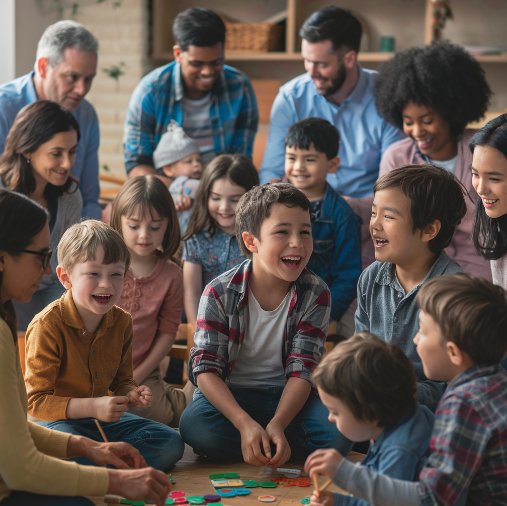
Being a foster family means providing a safe, caring, and supportive home for children and young people who are unable to live with their biological families. Foster families play a crucial role in a child’s life by offering stability, understanding, and encouragement during what is often a difficult and uncertain time. While fostering comes with responsibilities and challenges, it is also one of the most meaningful ways to positively impact a child’s future.
This guide explains what being a foster family involves, who can foster, the responsibilities of foster families, and why foster care is so important.
What Does Being a Foster Family Mean?
Being a foster family involves welcoming a child into your home on a temporary or long-term basis while their family situation is being assessed or supported. Children may enter foster care for many reasons, including family breakdown, neglect, abuse, illness, or other circumstances that make it unsafe for them to remain at home.
Foster families provide more than just accommodation. They offer emotional support, structure, and a sense of belonging. The goal is to help children feel safe and valued while supporting their wellbeing, education, and personal development.
Types of Foster Care Arrangements
Being a foster family can look different depending on the type of care you provide. Common foster care arrangements include:
- Short-term foster care, where children stay for a limited time while plans are made for their future
- Long-term foster care, offering ongoing care when children cannot return home
- Emergency foster care, providing immediate, short-notice care during crises
- Respite care, offering temporary care to support other foster families
Each type of care plays an important role in the foster care system and helps meet the diverse needs of children.
Who Can Become a Foster Family?
Many people assume that only traditional families can foster, but foster families come in many forms. Single people, couples, families with children, and people from different cultural and professional backgrounds can all become foster families.
While requirements vary by region, most foster care agencies look for people who can provide:
- A safe and stable home environment
- Emotional maturity and patience
- Good communication skills
- A willingness to learn and work with support services
Parenting experience is helpful but not essential, as training and guidance are provided throughout the fostering journey.
Responsibilities of Being a Foster Family
Being a foster family involves supporting children in their daily lives and helping them feel secure and cared for. Responsibilities often include:
- Providing consistent routines such as meals, bedtime, and school attendance
- Supporting emotional and mental wellbeing
- Attending medical appointments and school meetings
- Working with caseworkers and care professionals
- Encouraging positive behaviour and healthy relationships
Foster families also help children maintain appropriate connections with their biological families when required and support reunification plans where possible.
Support and Training for Foster Families
One of the biggest concerns for people considering being a foster family is whether they will receive enough support. Most foster care agencies provide comprehensive assistance, including training programs, financial support, counselling, and 24/7 emergency assistance.
Ongoing training helps foster families understand trauma-informed care, child development, and effective communication strategies. This support ensures foster families feel confident and capable in their role.
The Emotional Impact of Being a Foster Family
Being a foster family can be emotionally rewarding, but it can also be challenging. Children may arrive with complex emotions and behaviours due to past experiences. Building trust takes time, patience, and understanding.
Despite these challenges, many foster families describe fostering as deeply fulfilling. Seeing a child grow in confidence, succeed at school, or simply feel safe again makes the effort worthwhile.
Why Being a Foster Family Matters
The role of a foster family can have a lifelong impact on a child. A stable, nurturing home helps children heal from trauma, build resilience, and develop the skills they need for adulthood. Foster families help create positive outcomes not just for children, but for communities as a whole.
Final Thoughts
Being a foster family is a powerful way to make a difference in the lives of vulnerable children. It requires commitment, compassion, and flexibility, but it also offers an opportunity to provide hope and stability when it is needed most. For those who are ready to open their hearts and homes, being a foster family is a journey filled with purpose, growth, and lasting impact.