
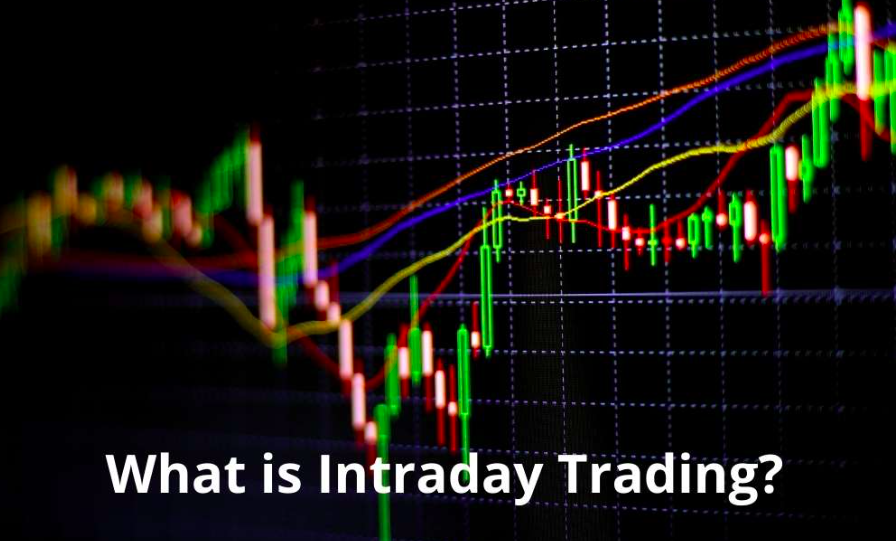
Intraday Trading is a sophisticated trading approach where financial instruments are bought and sold within the same market session, ensuring no position remains open overnight. This method attracts traders who seek precision, speed, and controlled exposure to market volatility rather than long-term investment commitments.
How the Process Works
This trading style revolves around short-term price movements driven by market momentum, liquidity, and sentiment. Traders continuously monitor charts and execute positions that may last from a few minutes to several hours. Every trade is planned with defined entry and exit points to maintain structure and control.
Preferred Trading Instruments
Highly liquid markets are favored due to smooth execution and minimal slippage. These instruments provide clarity in price action and allow efficient capital deployment.
- Actively traded stocks
- Major stock indices
- High volume currency pairs
- Commodities with consistent demand
Strategic Framework
Professional traders rely on disciplined strategies rather than intuition. Each method is designed to exploit specific market behaviors while limiting unnecessary risk exposure.
- Short-term momentum capture
- Breakout-based positioning
- Price range exploitation
- Trend-aligned intraday setups
Importance of Technical Analysis
Technical analysis serves as the analytical foundation of this trading style. Traders interpret visual price data to forecast near-term movements with calculated confidence.
- Candlestick structure evaluation
- Moving average alignment
- Momentum and strength indicators
- Volume-based confirmations
Risk Control and Capital Protection
Risk management is central to maintaining consistency. Without structured safeguards, rapid trading activity can quickly erode capital. A refined framework protects longevity and confidence.
- Predefined stop-loss levels
- Balanced position sizing
- Favorable risk-to-reward ratios
- Daily risk exposure limits
Time and Focus Requirements
This trading approach demands full concentration during market hours. Continuous observation of price behavior and news catalysts is essential. Traders often align their schedules with periods of heightened volatility to maximize efficiency.
Psychological Discipline
Mental composure distinguishes skilled traders from impulsive participants. Emotional neutrality enables adherence to systems rather than reactions to market noise.
- Calm response to losses
- Confidence rooted in preparation
- Patience for optimal setups
- Consistent rule execution
Advantages of This Trading Style
This method offers flexibility and immediate feedback, appealing to traders who prefer active engagement.
- No overnight market risk
- Faster capital circulation
- Frequent performance evaluation
- Enhanced market awareness
Conclusion:
When practiced with structure and discipline, Intraday Trading evolves into a refined financial practice rather than speculative activity. It rewards preparation, strategic clarity, and emotional control, offering traders a dynamic yet controlled way to navigate modern financial markets.