
Fire has always fascinated humanity. From ancient rituals to modern-day festivals, flames symbolize power, transformation, danger, and beauty all at once. Among the most captivating expressions of this fascination is fire performance, particularly the breathtaking arts of fire breathing and fire twirling. These performances blend physical skill, artistic expression, and disciplined safety practices to create unforgettable visual spectacles.
Fire breathers and twirlers are not merely entertainers; they are trained performers who dedicate years to mastering control over one of nature’s most powerful elements. This blog explores the world of fire breathing and twirling—its history, techniques, training, safety, cultural significance, and why it continues to mesmerize audiences around the world.
Understanding Fire Performance as an Art Form
Fire performance is a branch of performance art where skilled individuals manipulate fire in controlled and choreographed ways. Unlike simple visual tricks, fire acts require rhythm, timing, spatial awareness, and deep respect for the element being used. Fire breathing and fire twirling are two of the most popular and visually striking disciplines within this art.
Fire performances are often seen at festivals, cultural celebrations, weddings, corporate events, music concerts, and street shows. The combination of darkness, music, movement, and flame creates an atmosphere that feels both primal and magical, instantly drawing attention and emotional response from the audience.
What Is Fire Breathing?
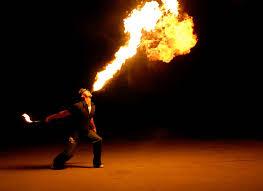
Fire breathing is the dramatic act of expelling a mist of fuel from the mouth over an open flame, creating a large plume or burst of fire. When done correctly, it looks like the performer is exhaling fire itself. This ancient technique has roots in traditional rituals, street performances, and circus acts.
Despite how effortless it may appear, fire breathing requires precise technique and strict safety discipline. Performers never actually “breathe” fire into their lungs. Instead, they mist a specialized fuel in a controlled spray pattern while maintaining proper body positioning and distance from the flame source.
Fire breathing performances are often the highlight of an event due to their sheer intensity and scale. A single breath can produce towering flames that light up the night sky, leaving audiences in awe.
The Skill and Training Behind Fire Breathing
Becoming a fire breather is not something learned overnight. Proper training is essential, as working with fire carries inherent risks. Performers typically begin with extensive practice using water to perfect misting techniques, breath control, and posture before ever introducing fuel or flame.
Training focuses on understanding wind direction, flame behavior, fuel properties, and personal limits. Fire breathers must develop strong awareness of their surroundings and their own physical state. Even factors like dry lips, fatigue, or distraction can affect performance safety.
Experienced fire breathers also learn different styles of fire plumes, such as fireballs, mushroom flames, or rolling bursts, each requiring unique techniques and timing. Mastery comes through repetition, mentorship, and respect for safety protocols.
What Is Fire Twirling?
Fire twirling, also known as fire spinning, involves manipulating flaming props in rhythmic, flowing movements around the body. Common fire twirling tools include fire poi, staffs, fans, hoops, and batons. Unlike fire breathing, which is explosive and momentary, fire twirling is continuous and dance-like.
Fire twirlers combine choreography, dance, and technical skill to create graceful patterns of flame. Performances often feel hypnotic, as spinning fire creates trails of light that seem to float in the air. Fire twirling is deeply connected to movement arts and is often performed to music, enhancing its emotional and visual impact.
Fire Twirling Props and Styles
Each fire twirling prop offers a unique performance style and visual effect. Fire poi, for example, consist of weighted wicks attached to chains or cords and are spun in circular patterns around the body. Fire staffs are long poles with wicks on each end, offering bold, powerful movements and dramatic silhouettes.
Fire fans are popular among dancers and often feature elegant, expressive choreography. Fire hoops and batons allow for playful, flowing routines that emphasize rhythm and creativity. Many performers specialize in one prop, while others become multi-prop artists, expanding their versatility and stage presence.
The Training and Discipline of Fire Twirlers
Like fire breathing, fire twirling demands patience, practice, and discipline. Most fire twirlers begin by learning with unlit or LED props to build muscle memory, coordination, and confidence. Only after mastering movement patterns do they progress to live fire.
Training includes learning body positioning, timing, grip control, and recovery techniques. Fire twirlers must also condition their bodies to withstand heat exposure and develop awareness to prevent burns or accidents. Costumes are carefully chosen to be fire-resistant, and performers often rehearse emergency procedures as part of their preparation.
Safety: The Foundation of All Fire Performance
Safety is the cornerstone of professional fire performance. Fire breathers and twirlers follow strict safety protocols to protect themselves, fellow performers, and audiences. This includes having trained safety spotters, fire blankets, extinguishers, and proper first-aid supplies on hand during every performance.
Performers must understand the properties of fuels, weather conditions, and venue restrictions. Wind, humidity, and crowd proximity are carefully assessed before lighting any flame. Responsible fire artists prioritize safety above spectacle, knowing that professionalism is defined by preparation and control.
Cultural and Historical Significance of Fire Arts
Fire performance has deep cultural roots across many civilizations. In ancient times, fire rituals were part of spiritual ceremonies, storytelling, and celebrations. Fire symbolized purification, strength, rebirth, and connection to the divine.
Over time, these traditions evolved into entertainment forms seen in circuses, carnivals, and street festivals. Today’s fire performers often draw inspiration from these historical influences, blending ancient symbolism with modern choreography and performance aesthetics.
Fire Breathers & Twirlers in Modern Events
In the modern entertainment industry, fire breathers and twirlers are in high demand. They bring excitement, drama, and a sense of luxury to events of all types. From weddings and private parties to large-scale festivals and corporate launches, fire performances create unforgettable moments.
Professional fire artists customize their acts to match the theme, mood, and audience of each event. Whether it’s an intense solo fire breath or a synchronized group fire twirling routine, these performances leave lasting impressions and elevate the overall experience.
Why Audiences Are Captivated by Fire Performances
There is something deeply instinctive about our attraction to fire. The combination of danger and control, chaos and beauty, creates a powerful emotional response. Watching a fire breather or twirler perform triggers awe, excitement, and admiration for the performer’s skill and bravery.
Fire performances also offer a sense of connection to ancient human traditions, reminding audiences of storytelling around flames and communal gatherings. This timeless appeal ensures that fire arts remain relevant and mesmerizing in every era.
The Future of Fire Breathing and Twirling
As performance art continues to evolve, fire breathers and twirlers are pushing creative boundaries. Many artists now combine fire with LED technology, acrobatics, dance, and theatrical storytelling. Environmental awareness and safety innovation are also shaping the future of fire arts.
Despite modern advancements, the core essence remains the same: disciplined performers honoring fire as both an artistic medium and a powerful natural force. With continued training, respect, and creativity, fire breathing and twirling will continue to shine as iconic forms of live entertainment.
Conclusion
Fire breathers and twirlers represent the perfect balance between art and danger, tradition and innovation. Their performances are not just visual displays but carefully crafted expressions of skill, discipline, and respect for fire. Behind every breathtaking flame lies hours of training, safety awareness, and artistic intention.
Whether witnessed at a festival, celebration, or cultural event, fire performances leave audiences spellbound. As long as humans remain fascinated by fire, the art of fire breathing and twirling will continue to ignite imaginations and light up the night.