
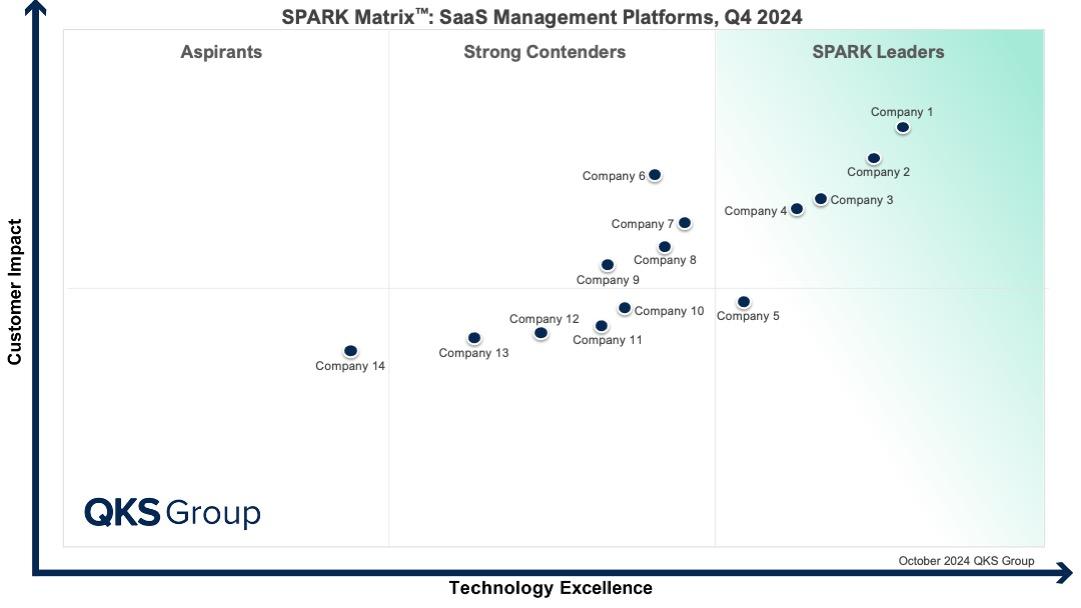
As organizations continue to accelerate digital transformation, the reliance on Software-as-a-Service (SaaS) applications has grown exponentially. Managing this expanding SaaS ecosystem has become increasingly complex, driving strong adoption of the SaaS Management Platform as a strategic solution for visibility, control, and optimization.
Recent trends highlight a growing shift toward AI-driven automation in SaaS Management Platforms, enabling enterprises to streamline operations, reduce costs, and strengthen security across their SaaS environments.
What Is a SaaS Management Platform?
A SaaS Management Platform (SMP) is a centralized solution designed to manage, monitor, and optimize an organization’s SaaS applications. It provides comprehensive visibility into SaaS usage, spending, compliance, and security—helping businesses govern their software landscape efficiently.
Modern SaaS Management Platforms go beyond basic discovery and reporting by incorporating advanced automation, analytics, and security controls.
AI-Driven Automation in SaaS Management Platforms
One of the most significant advancements in the SaaS Management Platform market is the integration of AI and machine learning. These technologies enable platforms to deliver intelligent insights and automate traditionally manual tasks.
Key AI-powered capabilities include:
- Advanced usage tracking and license optimization
- Predictive cost analysis and spend forecasting
- Automated identification of unused or underutilized applications
- Intelligent recommendations for cost and performance optimization
By reducing manual intervention, AI-driven SaaS Management Platforms improve efficiency and accelerate time-to-value.
Unified SaaS Operations, Financial, and Security Management
As SaaS adoption continues to rise, organizations are increasingly seeking comprehensive SaaS Management Platforms that unify multiple operational domains into a single solution. Modern platforms now integrate:
SaaS Operations Management
Automated onboarding, offboarding, workflow management, and lifecycle tracking ensure smooth SaaS operations across teams.
Financial Management
SaaS spend visibility, cost allocation, budget control, and vendor optimization help organizations manage software costs effectively.
Security and Compliance Management
Automated compliance tracking, policy enforcement, and access monitoring reduce security risks and support regulatory requirements.
This convergence of SaaS management and security operations represents a fundamental shift in how enterprises manage their software ecosystems.
Enhanced Integration and Policy Enforcement
As the SaaS market matures, vendors are enhancing SaaS Management Platforms with deeper integrations across identity providers, finance systems, security tools, and enterprise applications. API-driven architectures allow seamless data exchange and end-to-end visibility.
Automated policy enforcement ensures consistent governance by:
- Enforcing access controls
- Managing user permissions
- Detecting shadow IT
- Ensuring compliance with internal and external policies
Business Benefits of a SaaS Management Platform
Improved Cost Control
AI-driven insights and automated optimization reduce SaaS overspending and license waste.
Increased Operational Efficiency
Automation minimizes manual workflows and administrative overhead.
Stronger Security Posture
Centralized visibility and automated controls reduce security gaps and compliance risks.
Better Decision-Making
Real-time analytics provide actionable insights into SaaS usage, performance, and value.
The Future of SaaS Management Platforms
The future of the SaaS Management Platform lies in deeper automation, tighter security integration, and predictive intelligence. As SaaS ecosystems become more complex, organizations will increasingly depend on SMPs to deliver intelligent, scalable, and secure software governance.
Platforms that can seamlessly blend SaaS operations, financial management, and security will become essential for managing modern digital enterprises.
Conclusion
The SaaS Management Platform has evolved from a visibility tool into a strategic enabler of intelligent automation, cost optimization, and secure SaaS governance. With AI-driven insights, automated compliance, and unified management capabilities, SMPs empower organizations to take control of their growing SaaS environments.