
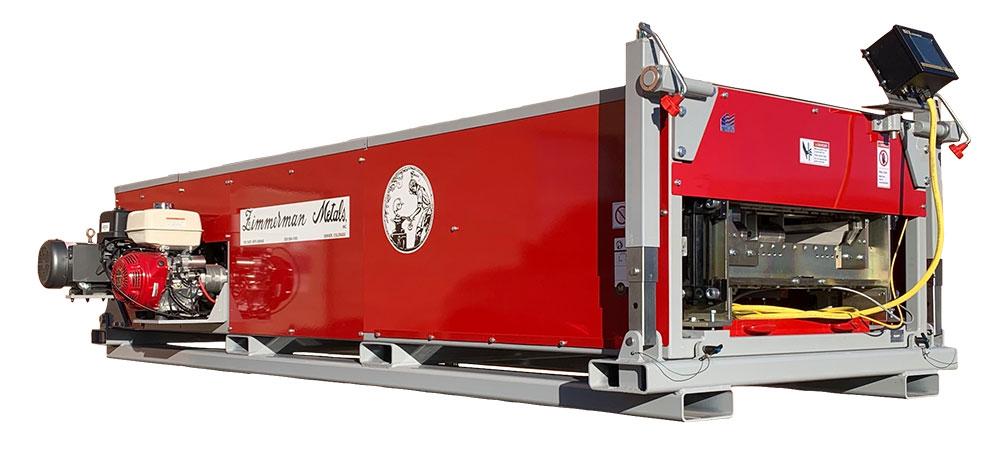
Roofing is one of the most critical aspects of construction. A roof protects a building from harsh weather, ensures structural stability, and contributes significantly to the property’s overall aesthetics. Traditionally, roofing required extensive manual labor, with workers measuring, cutting, and installing materials by hand. While skill and experience remain important, modern technology has significantly transformed the roofing process. Roofing machines have become indispensable tools for contractors, enabling efficient, precise, and high-quality roof installations.
From residential homes to commercial complexes and industrial facilities, roofing machines streamline labor-intensive tasks, reduce errors, and enhance overall productivity. They allow contractors to meet tight deadlines while maintaining professional standards, ultimately saving both time and costs.
What Are Roofing Machines?
Roofing machines are specialized tools and equipment designed to assist in the fabrication, cutting, shaping, and installation of roofing materials. These machines can work with a variety of materials, including metal panels, asphalt shingles, composite membranes, and tiles.
The main purpose of roofing machines is to automate repetitive tasks, improve accuracy, and speed up installation. They reduce physical strain on workers, minimize human errors, and ensure consistent quality. Depending on their function, roofing machines can handle panel forming, cutting, seaming, fastening, and even inspection.
Types of Roofing Machines
1. Roll Forming Machines
Roll forming machines are primarily used for metal roofing. They transform flat metal coils into roofing panels of desired profiles. The machines feed the metal through a series of rollers, which shape it into standing seam panels, corrugated sheets, or custom designs. Roll forming machines provide precise control over dimensions, ensuring uniformity and reducing material waste.
2. Roof Seaming Machines
Roof seaming machines are essential for creating watertight seams in standing seam metal roofs. They mechanically fold and crimp panel edges, ensuring uniform seams that prevent leaks. Manual seaming is labor-intensive and prone to errors, but using a seaming machine guarantees consistent results and enhances the roof’s durability.
3. Cutting Machines
Cutting machines, such as automated saws and shears, are used to cut roofing materials to precise dimensions. Accurate cutting ensures a proper fit and reduces waste. Roofing machines can cut metals, shingles, and composites with speed and precision, which is especially useful on large-scale projects.
4. Fastening Machines
Fastening machines, including pneumatic nail guns and automated screw systems, secure roofing materials quickly and accurately. They ensure consistent depth and spacing of fasteners, which improves structural integrity and reduces the risk of leaks. Fastening machines are particularly valuable for large roof surfaces or commercial installations.
5. Inspection and Measurement Tools
Though not directly involved in installation, digital gauges, laser levels, and thermal scanners are crucial for quality control. These tools identify gaps, uneven surfaces, and weak points before and after installation, helping contractors maintain precision and adhere to industry standards.
Benefits of Using Roofing Machines
1. Increased Efficiency
Roofing machines significantly reduce the time required for fabrication and installation. Tasks that previously took days can now be completed in hours, allowing contractors to handle multiple projects efficiently.
2. Enhanced Accuracy and Quality
Manual roofing can lead to errors such as uneven cuts, misaligned panels, and improper fastening. Roofing machines provide precise, repeatable results, ensuring each panel fits perfectly and every fastener is correctly positioned. This improves durability and overall aesthetics.
3. Safety Advantages
Roofing is inherently hazardous due to risks like falls, cuts, and strain injuries. Roofing machines reduce manual labor at heights and automate dangerous tasks, making the process safer for workers.
4. Cost Savings
Although roofing machines require an initial investment, they save money over time. Reduced labor costs, minimal material waste, and faster project completion translate into significant savings, especially for commercial or large-scale projects.
5. Versatility
Modern roofing machines can handle a variety of materials and profiles, from metal sheets to composite panels. This versatility allows contractors to use the same equipment for multiple projects, making it a worthwhile investment.
Applications of Roofing Machines
Roofing machines are used across residential, commercial, and industrial projects:
- Residential Roofing: Homeowners benefit from precise cuts and faster installation, ensuring durable and attractive roofs.
- Commercial Buildings: Office complexes, hotels, and retail spaces require efficient and consistent installation across large roof surfaces.
- Industrial Facilities: Factories, warehouses, and manufacturing units often use metal roofs that demand precise shaping and secure fastening.
- Roof Repairs and Renovations: Roofing machines enable fast replacement of damaged sections while ensuring a seamless fit with existing roofs.
Choosing the Right Roofing Machine
Selecting the right machine depends on the type of roofing project:
- Material Compatibility: Ensure the machine can handle the specific material, whether metal, asphalt, or composite.
- Project Scale: Large-scale projects may require automated or multi-functional machines for efficiency.
- Durability and Build Quality: Choose machines made with high-quality components for long-term reliability.
- Portability: Portable machines are ideal for contractors working on multiple sites.
- Training and Support: Reputable manufacturers provide technical support and operator training for safe and effective use.
Conclusion
Roofing machines have revolutionized the roofing industry by improving efficiency, precision, safety, and cost-effectiveness. They allow contractors to fabricate, cut, seam, and fasten roofing materials accurately, reducing labor time and minimizing errors.