
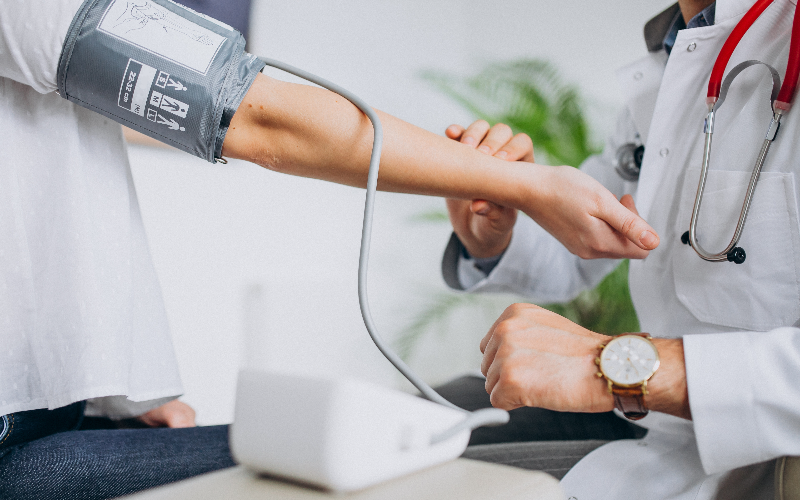
Blood pressure is one of the most important indicators of overall health, yet many people don’t realize when their numbers are too high or too low. High blood pressure, also known as hypertension, often develops without clear symptoms and can quietly damage the heart, brain, kidneys, and blood vessels. That’s why professional blood pressure screenings play a vital role in protecting long-term heart health and preventing serious medical conditions.
Importance of Regular Blood Pressure Screenings
Regular blood pressure screenings can help detect any changes in your blood pressure levels early on. This allows for timely intervention and management to prevent hypertension-related complications such as heart attack, stroke, and kidney damage. Access to convenient and patient-friendly care makes it easier for people to stay on top of their heart health. Facilities that provide Open Access Medical Care allow patients to receive timely screenings without long wait times or complicated referral processes.
How Often Should You Get Your Blood Pressure Checked?
The American Heart Association recommends that adults have their blood pressure checked at least once every two years if their blood pressure is normal (less than 120/80 mm Hg). For individuals with high blood pressure or other risk factors, more frequent screenings may be necessary.
Benefits of Professional Blood Pressure Screenings
- Early Detection: Regular screenings can help detect high blood pressure early when it is easier to manage.
- Preventive Care: Monitoring your blood pressure regularly can help prevent serious heart conditions.
- Individualized Treatment: If high blood pressure is detected, your healthcare provider can tailor a treatment plan specific to your needs.
What to Expect During a Professional Blood Pressure Screening
During a professional blood pressure screening, a healthcare provider will use a blood pressure cuff to measure your blood pressure. The results will be expressed as two numbers, with the top number representing the systolic pressure and the bottom number representing the diastolic pressure. Blood pressure screenings also play an important role in recovery and evaluation after a personal injury. Injuries, pain, stress, and certain medications can cause temporary or long-term changes in blood pressure.
What Do the Numbers Mean?
- Normal: Less than 120/80 mm Hg
- Elevated: 120-129/<80 mm Hg
- Hypertension Stage 1: 130-139/80-89 mm Hg
- Hypertension Stage 2: 140 or higher/90 or higher mm Hg
- Hypertensive Crisis: Higher than 180/higher than 120 mm Hg
How to Maintain Healthy Blood Pressure Levels
- To maintain healthy blood pressure levels and promote overall heart health, it is essential to follow a healthy lifestyle:
- Adopt a healthy diet rich in fruits, vegetables, whole grains, and lean proteins.
- Limit salt and sodium intake.
- Engage in regular physical activity.
- Maintain a healthy weight.
- Avoid smoking and limit alcohol consumption.
Regular professional blood pressure screenings are a crucial component of preventive healthcare. By monitoring your blood pressure levels and taking proactive steps to maintain a healthy lifestyle, you can reduce your risk of developing heart-related conditions. Remember, your heart health matters, so don't skip your next blood pressure screening!