
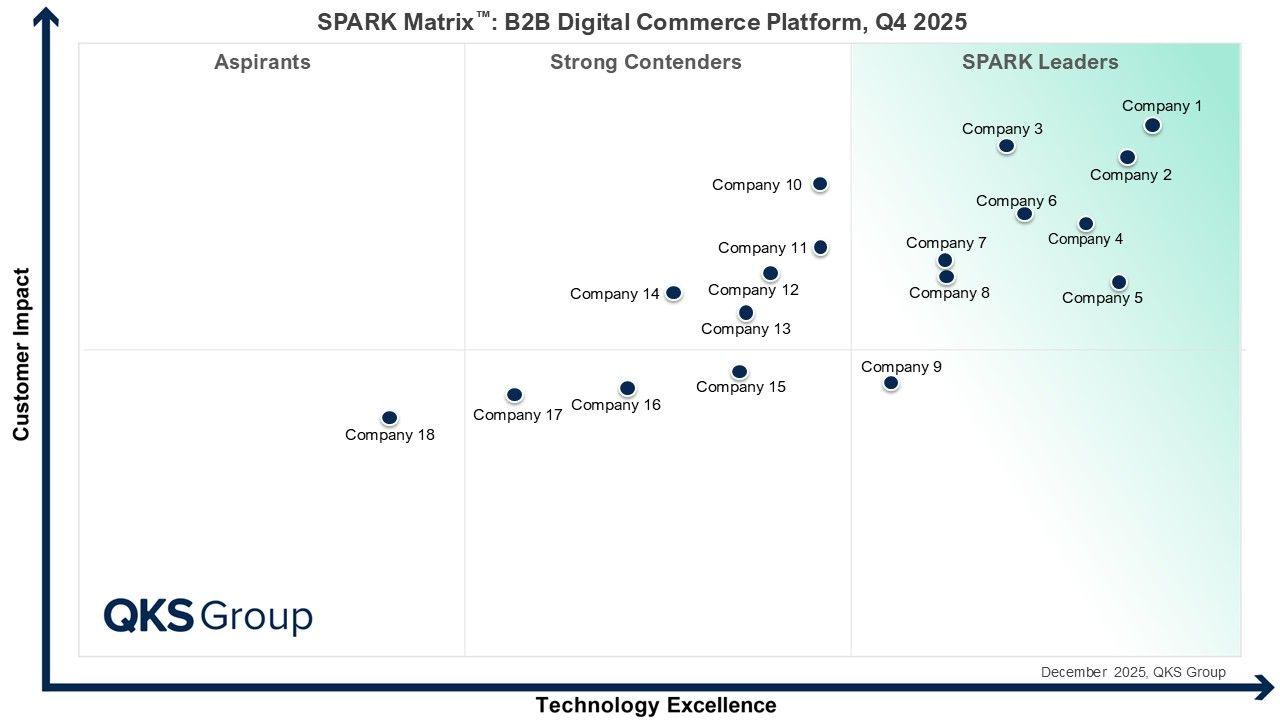
B2B selling has evolved far beyond static catalogs and manual sales processes. Today’s enterprises operate in complex, contract-driven environments that require speed, accuracy, and seamless system integration. B2B Digital Commerce Platforms are rapidly becoming the system of engagement for modern organizations, enabling them to manage sophisticated selling models while delivering scalable, digital-first buying experiences.
B2B Digital Commerce Platforms as the System of Engagement
Modern B2B Digital Commerce Platforms bridge critical enterprise systems such as ERP, CPQ, pricing, inventory, service, and logistics. Built on an API-first, headless architecture, these platforms decouple frontend experiences from backend systems, allowing businesses to innovate faster without disrupting core operations.
This approach enables enterprises to deliver consistent commerce experiences across web, mobile, marketplaces, and procurement networks while maintaining operational control.
Composable Architecture for Complex B2B Requirements
Leading B2B Digital Commerce Platforms are composable by design, using domain-based microservices that allow organizations to build and scale capabilities independently. Key microservices include:
- Product Information Management (PIM) and catalog services
- Entitlement management and negotiated pricing
- Approval rules and workflow automation
- Distributed order orchestration
- Native eProcurement integrations (cXML, OCI, EDI)
- Marketplace enablement
This modular architecture provides the flexibility required to support diverse customer segments, regions, and contract models.
Supporting Contract-Driven and Negotiated Selling
Unlike B2C commerce, B2B transactions often involve custom pricing, contract terms, and approval workflows. B2B Digital Commerce Platforms are purpose-built to support these complexities by ensuring that each buyer sees the correct products, prices, and purchasing rules based on their contract and role.
By digitizing negotiated selling, enterprises reduce errors, eliminate manual interventions, and ensure pricing compliance at scale.
Measuring Success Through Operational Impact
The real value of B2B Digital Commerce Platforms is measured by operational outcomes rather than feature lists. Enterprises adopting modern platforms consistently achieve:
- Higher digital revenue mix
- Faster quote-to-order cycles
- Lower cost-to-serve
- Fewer pricing exceptions
- Improved on-time, in-full (OTIF) delivery
By automating and orchestrating end-to-end commerce processes, organizations unlock efficiency and scalability.
Key Benefits of B2B Digital Commerce Platforms
- Act as a centralized system of engagement for enterprise selling
- Seamlessly integrate ERP, CPQ, pricing, and logistics systems
- Enable headless, API-first commerce architectures
Conclusion
B2B Digital Commerce Platforms have become foundational to modern enterprise commerce strategies. By combining composable architecture, deep system integration, AI-powered intelligence, and operational automation, these platforms enable organizations to manage complexity while accelerating digital growth.
#B2BDigitalCommercePlatforms #B2BCommerce #DigitalCommerce #EnterpriseCommerce #ComposableCommerce #Business