
Understanding Dermal Fillers and What to Expect During Treatment
Embarking on a journey toward facial rejuvenation is an exciting decision, and understanding the nuances of the procedure is the first step toward a successful outcome. For many individuals seeking to enhance their features, Dermal fillers in Riyadh(حشوات الجلدية في الرياض) offer a sophisticated, non-surgical pathway to achieving a more youthful and balanced appearance. These injectable treatments have become a cornerstone of modern aesthetics, providing a versatile solution for everything from smoothing fine lines to restoring significant volume loss. By demystifying the process—from the initial consultation to the final reveal—patients can approach their treatment with confidence, knowing exactly how these advanced gels work to harmonize and refresh the face.
What Exactly Are Dermal Fillers?
Dermal fillers are gel-like substances injected beneath the skin’s surface. Unlike neurotoxins (which relax muscles to prevent wrinkles), fillers physically "fill" space. They are designed to mimic the body's natural support structures, such as fat and collagen, which diminish as we age.
The most common types of fillers used today include:
-
Hyaluronic Acid (HA): A naturally occurring sugar in the body that keeps skin hydrated and voluminous. It is popular because it is soft, provides immediate results, and can be dissolved if necessary.
-
Calcium Hydroxylapatite (CaHA): A thicker filler often used for deeper lines and structural contouring (like the jawline). It also helps stimulate natural collagen production.
-
Poly-L-lactic Acid: Known as a "biostimulator," this filler works gradually over several months to rebuild the skin’s internal structure by encouraging the body to produce its own collagen.
Phase 1: The Consultation and Planning
The most critical part of the treatment happens before a needle even touches the skin. During a professional consultation, the focus is on facial harmony.
-
Anatomy Assessment: A practitioner will examine your face both at rest and in motion. They look for areas of shadow, volume loss, and asymmetry.
-
Goal Setting: You will discuss whether you want a subtle "refresh" or more defined "contouring."
-
Product Selection: Based on the target area—be it the delicate under-eye or the sturdy chin—the appropriate density of filler is chosen.
Phase 2: During the Treatment
A typical filler session is efficient, usually lasting between 20 to 45 minutes, making it a popular "lunchtime" procedure.
-
Preparation: The skin is thoroughly cleansed. To ensure comfort, a topical numbing cream is applied to the treatment areas. Many modern fillers also contain built-in lidocaine to further numb the site as the gel is administered.
-
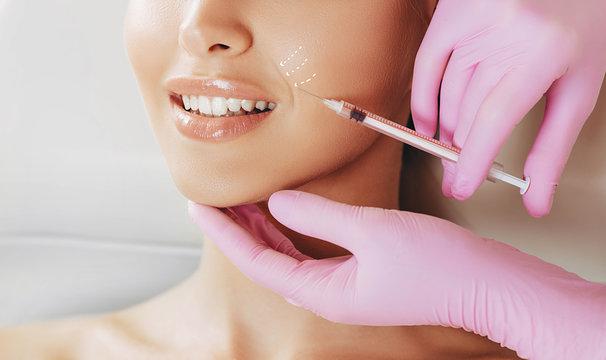
The Injections: Using either a very fine needle or a blunt-tipped cannula (which can reduce bruising), the filler is placed into the specific layers of the dermis.
-
Sculpting: The practitioner may gently massage the area to ensure the gel is distributed evenly and sits naturally within the facial contours.
Phase 3: Immediate Aftercare and Recovery
One of the primary appeals of dermal fillers is the minimal downtime. Most patients can return to their daily routine immediately, though there are a few standard "golden rules" to follow for the first 24–48 hours:
| Rule | Reason |
| No Intense Exercise | Increased blood flow can worsen temporary swelling or bruising. |
| Avoid High Heat | Stay away from saunas, steam rooms, or direct intense sun. |
| Don't Massage | Let the filler settle naturally; avoid touching or poking the injection sites. |
| Stay Upright | Avoid lying face-down or wearing heavy goggles/masks that put pressure on the face. |
What to Expect Post-Treatment: The Timeline
While you will see an immediate change, it is important to remember that the "instant" result is often a combination of the filler and a small amount of local swelling.
-
Days 1–3: You may experience mild swelling, redness, or tiny "pinprick" bruises. This is completely normal and can be managed with cold compresses.
-
Days 4–7: Swelling usually subsides, and the filler begins to integrate with your natural tissues.
-
Week 2: The filler has "settled." This is the point where the final, soft, and natural result is truly visible. Many clinics schedule a two-week follow-up to ensure total satisfaction.
Longevity: How Long Will It Last?
Fillers are a temporary enhancement, as the body gradually breaks down the material over time. The lifespan of your treatment depends on several factors:
-
Area Treated: Fillers in mobile areas (like the lips) move through the body faster and may last 6 to 9 months. More stable areas (like the cheeks or nose) can last 12 to 18 months.
-
Metabolism: Individuals with a very high metabolism or those who engage in extreme exercise may find the filler dissipates slightly faster.
-
Product Type: Thicker, structural fillers generally have more longevity than thin, hydrating ones.
Conclusion
Understanding the dermal filler process removes the mystery and allows you to focus on the results. By choosing a path of professional consultation and following simple aftercare, you can achieve a revitalized look that feels as good as it looks. The goal of modern treatment is never to change who you are, but to provide the structural support your skin needs to look its best at any age.