
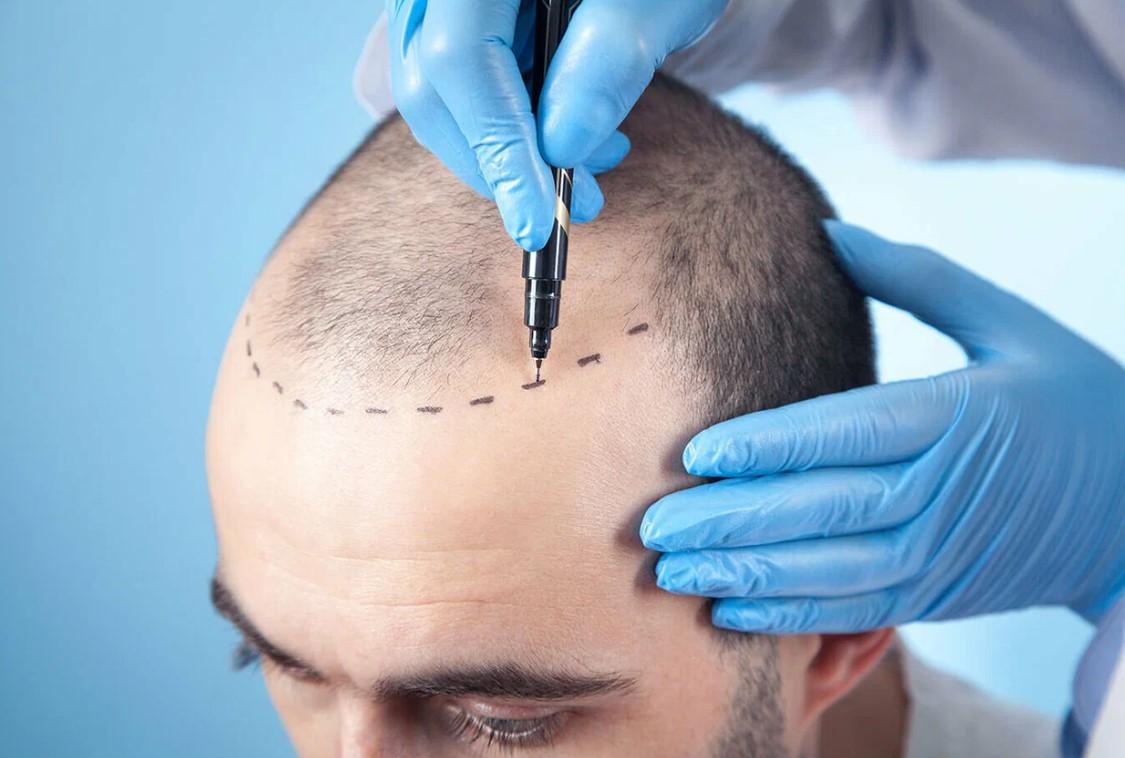
Hair transplant surgery is generally considered safe and effective when performed by a qualified surgeon. In Dammam, many clinics offer modern techniques such as FUE and FUT, which provide natural-looking results for hair loss. However, like any surgical procedure, hair transplant carries certain risks and potential complications. Knowing these risks in advance helps you make a more informed decision and take proper precautions before and after the procedure. Hair transplant in Dammam can provide a natural-looking hairline and long-lasting results when performed with the right technique and aftercare.
1. Infection
Infection is a potential risk in any surgical procedure, including hair transplants. The scalp contains many small incisions and graft sites, which can become infected if not properly cared for. Signs of infection may include increased redness, swelling, pus, or pain that worsens over time.
To reduce the risk of infection, clinics provide detailed post-operative care instructions, including how to wash the scalp, avoid touching the grafts, and use prescribed antibiotics when needed. Maintaining proper hygiene and avoiding sweat, dust, or dirty environments during the first week is essential.
2. Bleeding and Oozing
Minor bleeding is common immediately after the surgery, especially in the donor and recipient areas. Most bleeding stops within a few hours or the first day. However, some patients may experience prolonged bleeding or oozing, which can lead to crusting or discomfort.
To minimize bleeding, patients are advised to avoid blood-thinning medications such as aspirin, and to avoid alcohol and smoking before the procedure. Applying gentle pressure and following the surgeon’s care instructions helps control bleeding during the initial recovery.
3. Swelling
Swelling around the forehead, eyes, and scalp is a common side effect after a hair transplant. This occurs due to the body’s natural inflammatory response after surgery. Swelling usually appears within the first 24–48 hours and peaks around day 2 or 3.
Most swelling fades within a week, but in some cases, it may last longer. Patients can reduce swelling by sleeping with their head elevated, applying cold compresses, and avoiding heavy physical activity during the first few days.
4. Scarring
Scarring depends on the technique used:
-
FUE: Leaves tiny dot scars in the donor area. These scars are usually small and difficult to notice, especially with longer hair.
-
FUT: Leaves a linear scar where the strip was removed. This scar can be more visible, especially if you wear short hair.
While scarring is usually minimal, poor healing or improper technique can lead to wider or more noticeable scars. Choosing an experienced surgeon and following post-operative care reduces the risk of scarring.
5. Pain and Discomfort
Mild pain and discomfort are normal after a hair transplant. This usually lasts for a few days and can be managed with pain medication prescribed by the surgeon. Some patients may experience soreness in the donor area, especially after FUT due to the strip removal and stitches.
If pain becomes severe or persistent, it may indicate infection or another complication, and you should contact your surgeon immediately.
6. Shock Loss (Temporary Hair Shedding)
“Shock loss” is a common phenomenon where transplanted hair, and sometimes surrounding natural hair, falls out after the procedure. This is a temporary phase that usually occurs within the first few weeks.
Shock loss happens because the hair follicles enter a resting phase after being transplanted. It does not mean the transplant has failed. New hair growth typically begins after 3–4 months and continues to improve over time.
7. Poor Growth or Graft Failure
While most transplants succeed, some grafts may fail to grow due to poor handling, inadequate blood supply, or infection. Poor growth can result in patchy or uneven density. This risk is higher when the surgeon lacks experience or the grafts are not properly cared for after surgery.
To reduce the risk of graft failure, choose a reputable clinic with experienced surgeons and follow post-operative instructions carefully.
8. Numbness or Altered Sensation
Temporary numbness or tingling in the donor or recipient area is common after a hair transplant. This occurs due to nerve irritation during the procedure. In most cases, sensation returns within a few weeks or months.
Rarely, numbness can persist longer, especially after FUT, where the strip removal may affect more nerve endings. Persistent numbness should be evaluated by your surgeon.
9. Uneven Hairline or Unnatural Appearance
If the hairline is designed poorly or the grafts are placed at incorrect angles, the results can look unnatural. Uneven density or unnatural direction of hair growth can occur if the surgeon lacks skill or the planning is not properly done.
Choosing a skilled surgeon who understands hairline design and natural hair direction is essential to avoid this risk.
10. Cysts and Folliculitis
Cysts or small pimples can form in the recipient area if grafts are placed too deeply or if hair follicles become blocked. These usually appear as small bumps and may be accompanied by mild pain.
Most cysts resolve on their own, but in some cases, they may require medical treatment or drainage. Keeping the scalp clean and following washing instructions reduces this risk.
Final Thoughts
Hair transplant in Dammam can provide excellent and natural-looking results, but it is important to understand the risks involved. Choosing a qualified surgeon, following pre- and post-operative instructions, and maintaining good hygiene are key to minimizing complications. If you notice any unusual symptoms such as severe pain, excessive swelling, or signs of infection, contact your surgeon immediately.