
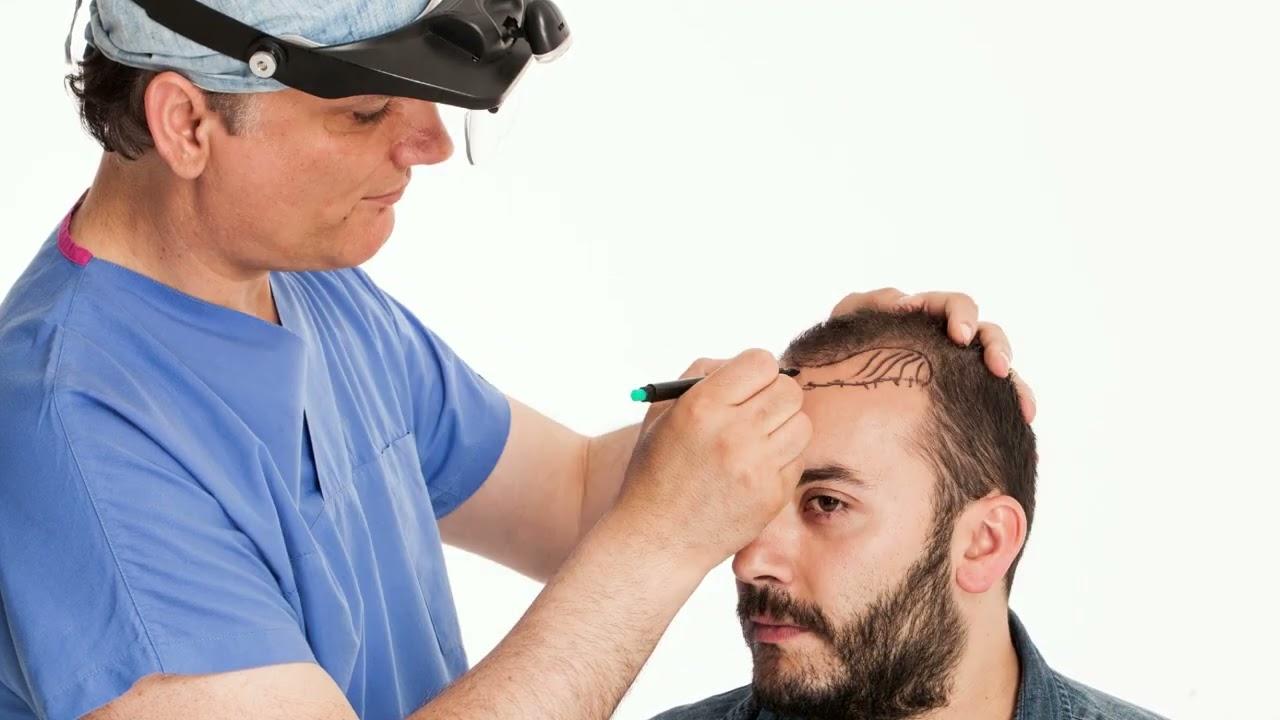
Painless Procedures: The Shift Toward Needle-Free Anesthesia in Saudi Arabia
The most significant barrier for many individuals considering aesthetic surgery is often not the procedure itself, but the fear of the initial discomfort. In the realm of hair restoration, the traditional method of numbing the scalp via multiple needle injections has long been the primary source of patient anxiety. However, a major technological shift is occurring as patients seeking a hair transplant in Riyadh(زراعة الشعر في الرياض) increasingly opt for "Needle-Free Anesthesia." This innovative approach utilizes high-pressure technology to deliver numbing agents into the scalp without a single needle prick. By transforming the most daunting part of the surgery into a virtually painless experience, clinics in the Saudi capital are opening the door for those with needle phobias to finally pursue the hairline they’ve always wanted with absolute peace of mind.
What is Needle-Free Anesthesia?
Needle-free anesthesia, often referred to as "Jet Injection" or by brand names like Comfort-In, is a medical delivery system that uses pneumatic pressure rather than a sharp tip. Instead of a syringe piercing the skin to deposit anesthetic fluid, a specialized device uses compressed air to propel a fine stream of the medication through the microscopic pores of the scalp.
Because the liquid is delivered at a high velocity in a fraction of a second, it penetrates the superficial layers of the skin instantly. The sensation is often described as a light "snap" or "flick" against the skin, similar to the snap of a rubber band, rather than the sharp, lingering sting of a needle.
The Mechanism of Action: How Jet Injection Works
The science behind this "painless" revolution is simple yet effective. The device features a nozzle with a micro-opening—usually around 0.15 mm, which is significantly smaller than the thinnest medical needle.
-
Pressure Build-up: A spring-loaded or air-powered piston in the device builds up high pressure.
-
Dispersion: When the trigger is pulled, the anesthetic is pushed out of the micro-nozzle.
-
Absorption: The liquid travels through the epidermis and spreads evenly into the subcutaneous tissue, where it immediately begins to block the sensory nerves.
One of the greatest clinical advantages of this method is the uniform distribution. Unlike a traditional needle, which deposits a "pool" of fluid in one spot, the jet injector creates a wider spray pattern, numbing a larger area more effectively and quickly.
Breaking the Cycle of Trypanophobia
Trypanophobia, or the extreme fear of needles, affects a significant portion of the global population. In the past, this phobia forced many men and women to simply accept their hair loss rather than face a series of injections.
-
Reduced Psychological Stress: By removing the sight and sensation of needles, the patient's heart rate and cortisol levels remain stable throughout the preparation phase.
-
A "Gentle" Start: The first 15 minutes of a transplant set the tone for the entire day. A painless start ensures the patient is relaxed and comfortable for the subsequent hours of the procedure.
-
Ideal for First-Timers: For those who have never had surgery, the needle-free option lowers the barrier to entry, making the process feel less like a "medical operation" and more like a routine aesthetic treatment.
Clinical Benefits Beyond Comfort
While patient comfort is the primary driver, needle-free anesthesia offers several medical benefits that contribute to a better overall surgical outcome:
-
Lower Risk of Infection: Since there is no puncture wound from a needle, the risk of introducing bacteria into the deeper layers of the scalp is significantly reduced.
-
Minimized Tissue Trauma: Traditional needles can occasionally cause minor bruising or small hematomas at the injection site. Jet injection preserves the integrity of the scalp tissue, leading to less post-operative swelling.
-
Faster Numbing Effect: Because the anesthetic is delivered as a fine mist over a broader area, the numbing effect often takes hold faster than traditional "bolus" injections.
Compatibility with Modern Techniques
Needle-free anesthesia is not a standalone treatment; it is a "pre-treatment" that can be integrated into all major hair restoration methods available in Riyadh today. Whether you are undergoing Sapphire FUE, DHI, or a Hybrid Transplant, the needle-free system can be used to numb both the donor area (at the back of the head) and the recipient area (the hairline or crown).
In many advanced protocols, the needle-free device is used to achieve "initial numbness." Once the skin is partially desensitized, the surgeon may follow up with a deeper local anesthetic to ensure total comfort for the duration of the 6-to-8-hour procedure. Because the skin is already numb, the patient never feels the follow-up steps.
A New Standard for Riyadh's Aesthetic Clinics
The adoption of needle-free technology reflects the growing demand for "premium" healthcare experiences in Saudi Arabia. Patients today expect more than just a successful medical result; they expect a journey that is as stress-free as possible. Clinics that invest in these advanced delivery systems are demonstrating a commitment to patient-centered care, recognizing that the "fear of pain" is a valid medical concern that deserves a technological solution.
What to Expect During Your Session
If you opt for a painless procedure, your experience will begin with the medical team cleaning your scalp. The practitioner will then move the jet injector across the targeted areas in a rhythmic pattern. You will hear a series of "clicking" or "hissing" sounds as the device activates. Within minutes, your scalp will feel heavy and numb, allowing you to settle in, listen to music, or watch a movie while the surgical team begins the meticulous work of restoring your hair.
The shift toward needle-free anesthesia represents the "humanizing" of surgery. By removing the pain and the needles, the focus remains entirely on the art of restoration and the excitement of the transformation ahead.