
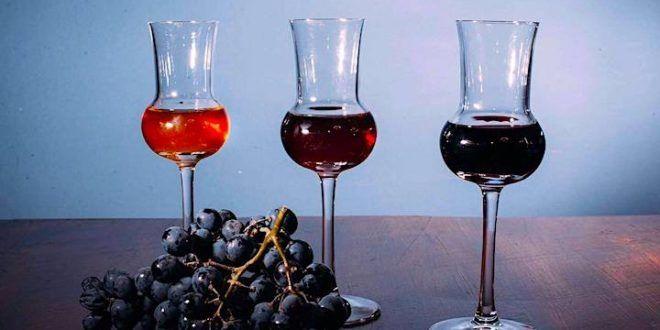
The global beverage industry is evolving rapidly as consumers become more health-conscious and intentional about their lifestyle choices. Drinking habits that once revolved around alcohol are now being redefined by balance, wellness, and inclusivity. One of the most notable outcomes of this shift is the growing popularity of Non-Alcoholic Wine, a sophisticated alternative that offers the experience of wine without the effects of alcohol.
This category is no longer seen as a compromise. Instead, it represents innovation, craftsmanship, and a new way of enjoying social moments while maintaining physical and mental clarity.
The Rise of Alcohol-Free Lifestyles
In recent years, people across different age groups have started questioning the role of alcohol in their daily and social lives. Wellness movements, fitness trends, and mental health awareness have all contributed to this cultural change. Many individuals are choosing to reduce or eliminate alcohol while still wanting to enjoy refined flavors and celebratory rituals.
Alcohol-free lifestyles are no longer associated with restriction. They are about choice, control, and long-term well-being. This shift has paved the way for premium alternatives that cater to taste, tradition, and social connection.
What Makes Alcohol-Free Wine Different
Non-Alcoholic Wine is crafted using traditional winemaking techniques, followed by a gentle process that removes alcohol while preserving flavor, aroma, and structure. This process requires precision and expertise to ensure the final product maintains the complexity expected from quality wine.
Modern production methods allow winemakers to retain essential characteristics such as acidity, tannins, and mouthfeel. The result is a beverage that feels familiar yet aligns with a healthier lifestyle.
How It Is Produced
The production of alcohol-free wine typically follows these steps:
Harvesting and Fermentation
Grapes are harvested and fermented just like traditional wine, developing natural aromas and flavors.
Alcohol Removal
Advanced techniques such as vacuum distillation or reverse osmosis are used to remove alcohol without damaging the wine’s profile.
Flavor Refinement
After alcohol removal, the wine may be refined to restore balance and enhance taste.
This careful process ensures the final product remains enjoyable and authentic.
Health and Wellness Benefits
One of the main reasons people choose alcohol-free wine is its positive impact on overall well-being. Some key benefits include:
- Reduced calorie intake compared to traditional wine
- No intoxication or hangover effects
- Improved sleep quality
- Better hydration and digestion
- Suitable for individuals avoiding alcohol for medical or personal reasons
By eliminating alcohol while preserving flavor, this beverage supports mindful consumption without sacrificing enjoyment.
Social Inclusion and Everyday Enjoyment
Alcohol-free wine allows people to participate fully in social settings without pressure. Whether attending a formal dinner, family celebration, or corporate event, individuals can enjoy a glass without concern for productivity, health, or personal values.
This inclusivity has helped normalize alcohol-free choices, making social environments more welcoming for everyone.
Flavor Profiles and Varieties
Just like traditional wine, alcohol-free wine comes in a wide range of styles and profiles. Popular options include:
Red Varieties
Known for deep fruit notes, mild tannins, and rich aromas, ideal for pairing with hearty meals.
White Varieties
Light, crisp, and refreshing, often featuring citrus, apple, or floral notes.
Rosé Options
Balanced and elegant, combining freshness with subtle fruit sweetness.
Sparkling Styles
Perfect for celebrations, offering bubbles and brightness without alcohol.
These varieties ensure there is an option for every palate and occasion.
Who Is Choosing Alcohol-Free Wine?
The audience for alcohol-free wine is broad and diverse. It includes:
- Health-conscious individuals
- Pregnant or breastfeeding women
- Athletes and fitness enthusiasts
- Professionals seeking mental clarity
- People in recovery
- Religious or cultural communities
- Social drinkers practicing moderation
This wide appeal demonstrates how alcohol-free wine fits seamlessly into modern lifestyles.
Pairing Alcohol-Free Wine with Food
Food pairing plays an important role in enhancing the enjoyment of alcohol-free wine. Just like traditional wine, different styles complement different dishes:
- White varieties pair well with seafood, salads, and light pasta
- Red styles complement grilled vegetables, mushrooms, and rich sauces
- Sparkling options work beautifully with appetizers and desserts
Thoughtful pairing enhances flavor balance and elevates the dining experience.
The Premiumization of Alcohol-Free Wine
One of the most exciting developments in this category is the rise of premium alcohol-free wine brands. Producers are investing in quality grapes, sustainable practices, and elegant packaging to appeal to discerning consumers.
This focus on craftsmanship has helped shift perceptions, positioning alcohol-free wine as a premium lifestyle product rather than an alternative of last resort.
Market Growth and Future Potential
The alcohol-free beverage market continues to grow at a remarkable pace. As younger generations prioritize wellness, transparency, and balance, demand for high-quality alcohol-free options is expected to rise further.
Innovation in production techniques and flavor science will continue to improve taste and authenticity. Alcohol-free wine is becoming a permanent fixture in restaurants, retail stores, and home dining experiences.
How to Choose a Quality Bottle
When selecting alcohol-free wine, consider the following factors:
- Quality of ingredients
- Production method
- Sugar content
- Brand reputation
- Customer reviews
Choosing well-crafted products ensures a satisfying and refined experience.
Conclusion
Non-Alcoholic Wine represents a powerful shift in how people approach drinking, health, and social connection. It allows individuals to enjoy the elegance and ritual of wine while staying aligned with personal wellness goals.
As awareness continues to grow and quality continues to improve, alcohol-free wine is redefining what it means to drink responsibly. It is no longer about giving something up—it is about gaining balance, clarity, and choice in everyday life.