
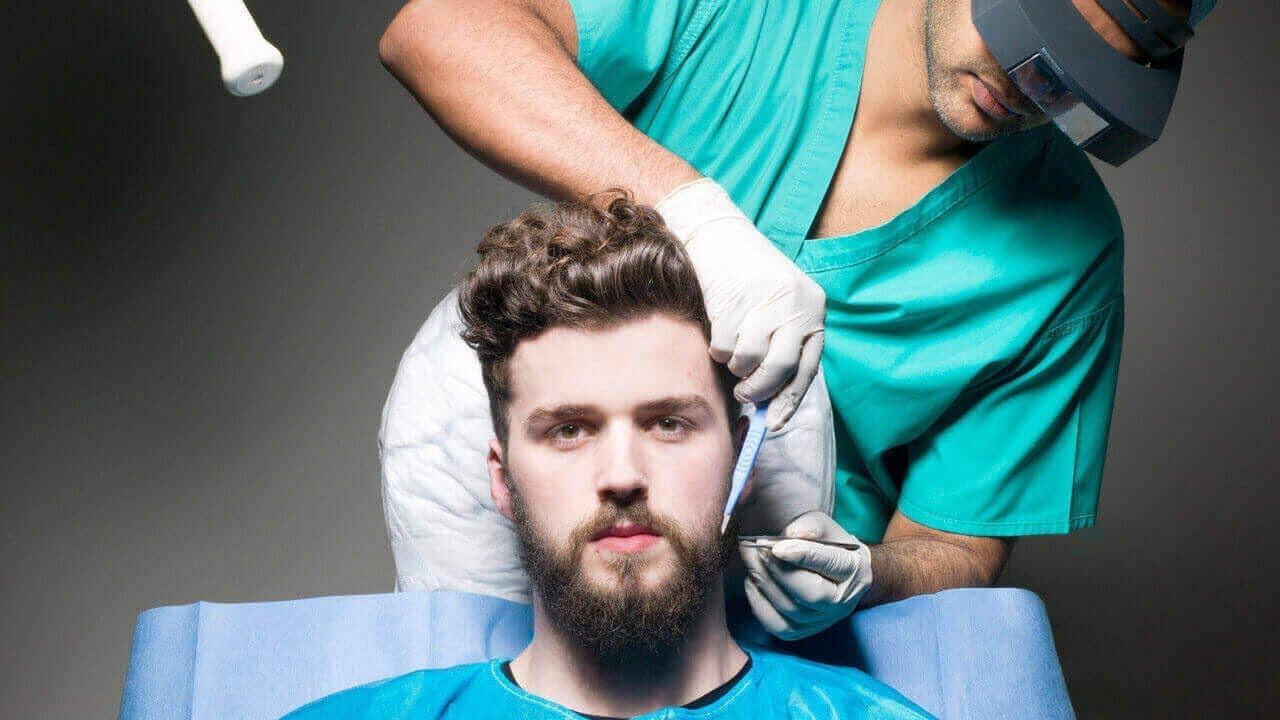
A beard hair transplant in Riyadh can give you a fuller and more defined beard, but maintaining and styling your new facial hair is essential to achieve natural-looking results. The first few months after the transplant require special care, and as the hair starts to grow, your routine will gradually shift toward normal grooming. Below is a detailed guide on how to maintain and style your new beard, from the first days after the procedure to long-term care. Beard hair transplant in Riyadh can help men achieve a fuller, more defined beard with natural-looking results.
1. First 1 to 2 Weeks: Gentle Care and Healing
In the first two weeks after the transplant, your main goal is to protect the grafts and support proper healing. The transplanted hair follicles are still fragile, and the risk of dislodging them is high if you touch or rub the area.
During this period, avoid shaving or trimming the transplanted area. You should also avoid touching the grafts and refrain from scratching, even if you feel itching. Itching is common due to healing, but scratching can damage the grafts and affect the final results.
Wash your face gently as instructed by your surgeon. Most clinics recommend using a mild, fragrance-free cleanser and patting the area dry with a clean towel. Avoid strong scrubs, exfoliants, or harsh soaps, as these can irritate the skin and harm the grafts. If scabs form around the grafts, let them fall off naturally without picking or rubbing.
2. Weeks 2 to 4: Scab Falling and Early Growth
By the second to fourth week, the scabs usually start to fall off, and the transplanted hair may begin to shed. This shedding is a normal part of the process and is not a sign of failure. It is known as shock loss, and it occurs because the hair follicles temporarily enter a resting phase before new growth begins.
Continue to be gentle with the beard area during this stage. You can start washing your face more normally, but still avoid harsh rubbing or scratching. Moisturizing the skin can help reduce dryness and itching, but use only the products recommended by your surgeon.
Avoid heavy exercise or activities that cause excessive sweating, as sweat can irritate the healing skin. Also, avoid direct sun exposure without protection, as the skin may be more sensitive after the procedure.
3. Months 1 to 3: New Hair Starts to Grow
Around the third month, new hair begins to grow from the transplanted follicles. Initially, the hair may appear thin, fine, and light in color. This is normal because the new hair is still in its early growth stage. Over time, it will thicken and darken, matching your natural beard.
During this period, you can begin to treat the beard area more like normal facial hair. You may start gentle trimming if needed, but avoid aggressive shaving or shaping until the hair becomes stronger and denser. Use a clean, sharp trimmer and avoid pulling or tugging on the hair.
Continue moisturizing the skin and keeping the area clean. If you experience mild irritation or dryness, use a light, non-comedogenic moisturizer. Avoid heavy oils or products that can clog pores and cause breakouts.
4. Months 3 to 6: Building Density and Styling
Between months three and six, the beard starts to thicken and fill in more. This is the stage where you can begin shaping and styling more confidently. However, it is still important to be cautious and not over-trim or over-style, as the hair is still developing.
To maintain a natural look, focus on gradual shaping rather than drastic changes. Use a beard trimmer with adjustable guards to keep a consistent length. If you want a sharper beard line, use a razor or precision trimmer carefully, but avoid shaving too close to the transplanted area.
If you are aiming for a fuller beard, avoid over-thinning or over-combing. Brushing the beard gently can help train the hair to grow in the desired direction, especially for cheek and jawline areas. Using a soft beard brush or comb can help distribute natural oils and keep the beard looking neat.
5. Months 6 to 12: Final Results and Long-Term Care
By six months, the beard should show significant improvement in density and fullness. By the ninth to twelfth month, most patients see their final results, with full growth and natural texture. At this stage, your beard care routine can be similar to that of a regular beard.
Regular washing is important to keep the beard clean and healthy. Use a mild beard shampoo or gentle cleanser to remove dirt and excess oil. Avoid harsh shampoos that can dry out the skin. After washing, apply a beard conditioner or light beard oil to keep the hair soft and manageable.
For styling, use a beard balm or light styling product to shape the beard and keep stray hairs in place. If you prefer a more defined look, visit a professional barber experienced with beard styling to maintain a clean shape without damaging the hair.
6. General Tips for Long-Term Maintenance
-
Maintain a healthy diet and stay hydrated, as overall health affects hair growth.
-
Avoid smoking and excessive alcohol, as they can affect blood circulation and hair health.
-
Manage stress, as stress can impact hair growth and overall skin health.
-
Keep the beard area moisturized to prevent dryness and irritation.
-
If you notice any unusual redness, excessive itching, or signs of infection, consult your surgeon immediately.