
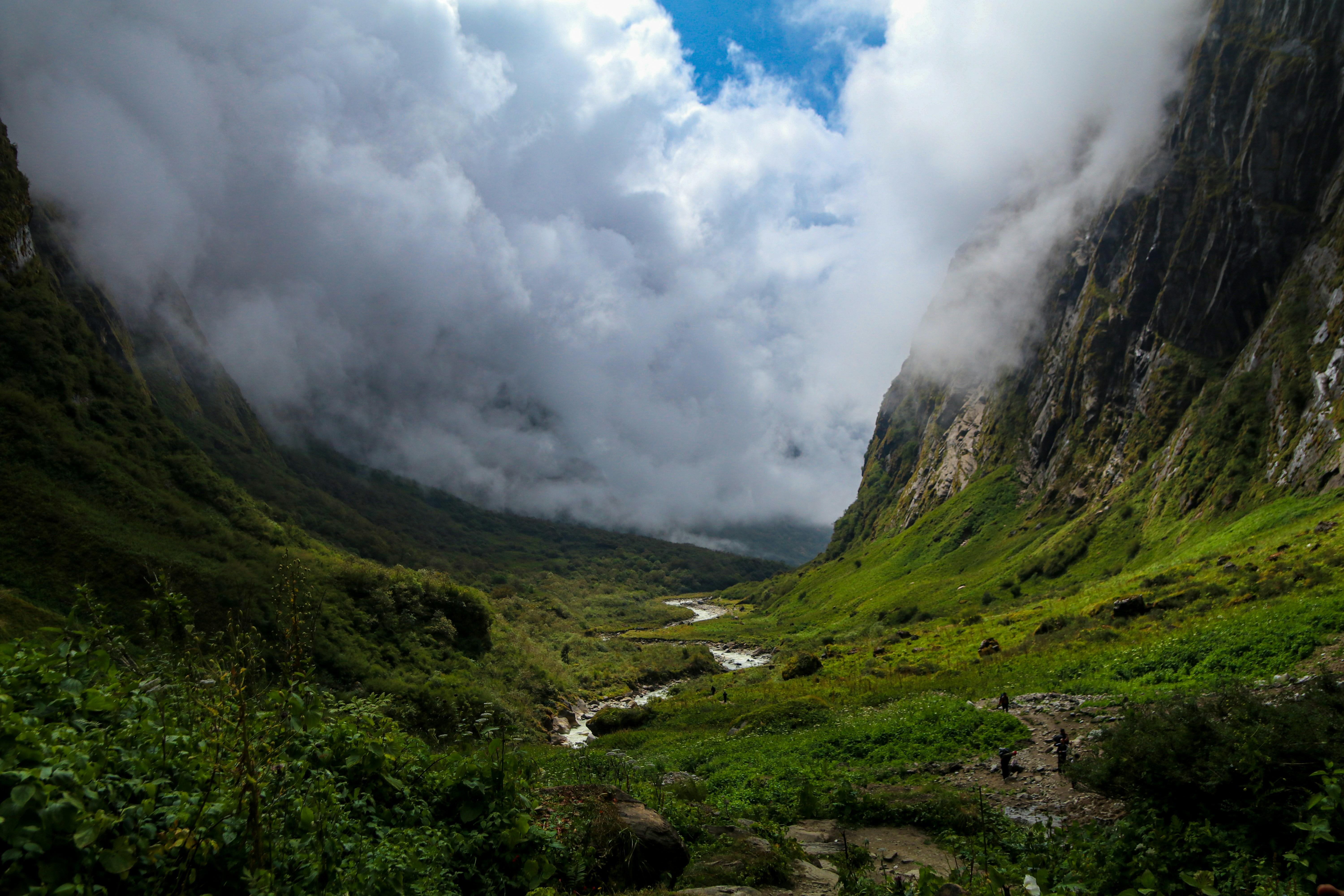
Every step toward the Himalayas tests your strength, patience, and determination, yet rewards you with some of the most breathtaking views on Earth. The annapurna base camp difficulty is real, but understanding it can turn a challenging trek into an unforgettable adventure.
Why the Trek Tests Your Limits
Trekking to Annapurna Base Camp is physically demanding. Trails climb steep slopes, wind through dense forests, and rise steadily in altitude. The higher you go, the thinner the air becomes, which can lead to altitude sickness even for experienced hikers. Weather changes quickly, with cold nights and unpredictable rain or snow.
Mental strength is just as important as physical fitness. The trail requires patience, endurance, and a willingness to push through tough sections. But with proper preparation, guidance, and pacing, each challenge becomes a story of achievement.
Trek Statistics You Should Know
The Annapurna Base Camp Trek covers approximately 115 kilometers (71 miles) round trip. Most trekkers complete the journey in 10 to 14 days, allowing time to acclimatize and enjoy the scenery. The trek starts at about 1,000 meters (3,280 feet) and reaches a maximum elevation of 4,130 meters (13,550 feet) at the base camp itself. Along the way, trekkers pass through charming villages, rhododendron forests, and high-altitude landscapes that feel otherworldly.
Factors That Make It Challenging
Several factors contribute to the annapurna base camp difficulty:
-
Steep Trails: Long uphill stretches can tire even fit hikers.
-
Altitude: Higher elevations reduce oxygen levels, making breathing harder.
-
Weather: Sudden snow, rain, or cold nights require preparation and flexibility.
-
Trail Conditions: Rocky, muddy, and uneven paths demand careful attention.
Despite these challenges, many trekkers find the journey exhilarating. Each day brings unique views, encounters with friendly locals, and a growing sense of accomplishment.
How to Prepare for the Trek
Preparation is key to enjoying the Annapurna Base Camp Trek. Here are some tips:
-
Physical Training: Focus on cardio, leg strength, and endurance exercises.
-
Acclimatization: Plan rest days to adjust to higher altitudes gradually.
-
Packing Wisely: Bring layers, sturdy boots, and essential trekking gear.
-
Mental Readiness: Stay positive, patient, and open to challenges.
Being well-prepared reduces fatigue, prevents illness, and allows you to fully appreciate the stunning Himalayan landscapes.
The Rewarding Experience
The effort is worth it. From the vibrant villages of Ghorepani and Chomrong to the dramatic snow-capped peaks surrounding Annapurna Base Camp, every moment is memorable. Waking up at the base camp to the sunrise hitting Annapurna South is an experience that makes every uphill step worthwhile.
Trekking to Annapurna Base Camp is not just a physical journey—it’s a journey of self-discovery. Overcoming obstacles, pushing limits, and embracing nature’s beauty leave trekkers with lasting confidence and incredible memories.
The annapurna base camp difficulty may seem intimidating, but with preparation, determination, and the right guidance, it transforms into one of the most rewarding adventures of a lifetime. Step by step, the peaks reveal themselves, and so does the strength within you.