
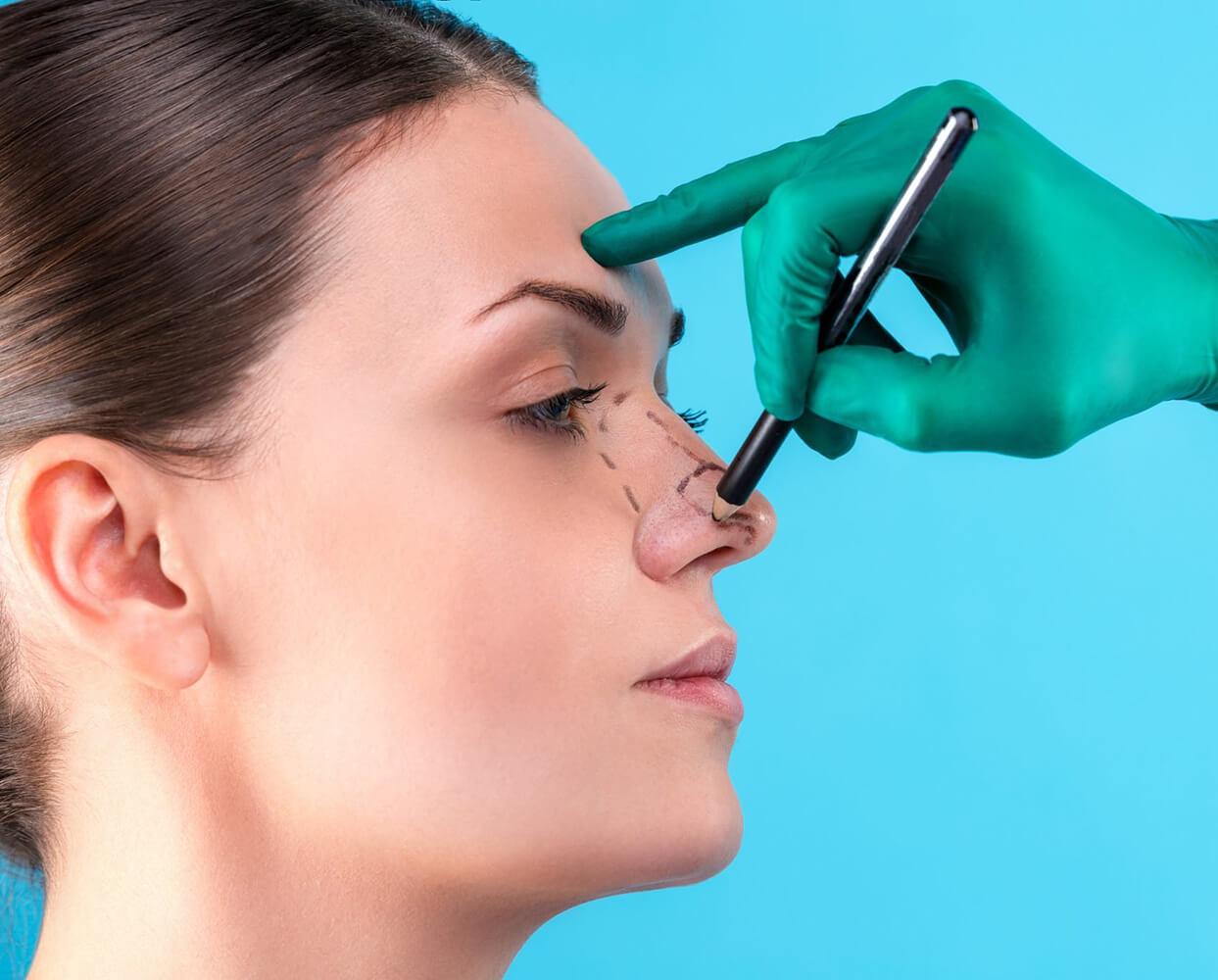
Rhinoplasty, commonly known as a nose job, is one of the most sought-after cosmetic procedures worldwide, including in Riyadh. While many people associate rhinoplasty primarily with aesthetic enhancement, it also serves important functional purposes. Understanding the distinction between cosmetic and functional rhinoplasty is crucial for patients considering the procedure, as it influences surgical planning, expectations, and outcomes. Both types of rhinoplasty aim to improve quality of life—one through appearance, the other through enhanced nasal function—and often the two can be combined for a comprehensive approach. Rhinoplasty in Riyadh is a popular procedure for individuals seeking to enhance the shape and function of their nose while improving facial harmony.
Cosmetic rhinoplasty is focused on improving the appearance of the nose in harmony with the rest of the face. Individuals may seek cosmetic changes for a variety of reasons, such as refining a prominent nasal bridge, narrowing a wide tip, correcting asymmetry, or reshaping a drooping nasal tip. The goal is to achieve facial balance and proportion, creating a natural and aesthetically pleasing look. Surgeons performing cosmetic rhinoplasty carefully evaluate the patient’s facial features, skin thickness, and overall facial symmetry to determine the most suitable approach. Techniques may involve reshaping cartilage and bone, adding grafts for structural support, or refining the nasal tip for improved definition.
Patients pursuing cosmetic rhinoplasty often have specific goals that reflect their personal aesthetic preferences. For instance, some may wish to reduce a dorsal hump on the nasal bridge, while others may seek to lift or rotate the tip to create a more refined profile. Cosmetic rhinoplasty is highly individualized, and success depends on clear communication between the patient and the surgeon. Before the procedure, patients are encouraged to share visual references or express their expectations clearly so that the surgeon can design a plan that achieves the desired look while maintaining a natural appearance.
On the other hand, functional rhinoplasty is primarily aimed at improving nasal airflow and correcting structural problems that impede breathing. Many individuals experience chronic nasal obstruction due to a deviated septum, nasal valve collapse, enlarged turbinates, or previous nasal trauma. These structural issues can cause difficulty breathing, snoring, sleep disturbances, or frequent sinus infections. Functional rhinoplasty addresses these concerns by restoring proper nasal anatomy and enhancing airflow. Techniques used in functional procedures include septoplasty to straighten the septum, turbinate reduction to decrease congestion, and grafting to reinforce nasal valves.
One of the advantages of functional rhinoplasty is that it can significantly improve quality of life. Patients who previously struggled with chronic nasal obstruction often experience better sleep, increased energy, and enhanced physical performance after surgery. In many cases, functional rhinoplasty also reduces the risk of long-term complications such as sinus infections or worsening breathing difficulties. Importantly, functional procedures can often be combined with cosmetic adjustments, allowing patients to improve both the appearance and function of their nose in a single surgery.
The distinction between cosmetic and functional rhinoplasty is not always absolute, as many patients seek improvements in both areas simultaneously. For example, a patient with a deviated septum may also desire a straighter nasal bridge or a refined tip. In such cases, the surgeon carefully balances structural corrections with aesthetic refinements, ensuring that the final outcome addresses both breathing and appearance goals. Combining functional and cosmetic objectives requires a high level of surgical expertise, as altering the structural support of the nose must not compromise its appearance, and vice versa.
Preoperative planning is critical for both cosmetic and functional rhinoplasty. Surgeons conduct a comprehensive assessment of nasal anatomy, including physical examination, imaging, and sometimes endoscopy. Patients are encouraged to discuss their medical history, previous nasal procedures, and any functional concerns. Clear communication about aesthetic preferences and expectations is equally important, especially for cosmetic goals. Understanding the patient’s motivations and desired outcomes allows the surgeon to tailor the procedure, choose the appropriate techniques, and provide realistic expectations.
Recovery considerations may also differ slightly depending on the focus of the surgery. Both types of rhinoplasty involve swelling, bruising, and mild discomfort in the initial healing phase, but functional improvements are typically noticeable as soon as the nasal passages are unobstructed. Cosmetic results, particularly changes in nasal shape or refinement, may take several weeks to months to fully manifest as swelling subsides. Patients should follow post-operative instructions carefully to ensure optimal outcomes for both appearance and function.
In conclusion, rhinoplasty can serve cosmetic, functional, or combined purposes, offering a versatile solution for patients seeking aesthetic enhancement, improved breathing, or both. Cosmetic rhinoplasty focuses on achieving facial harmony and enhancing the nose’s appearance, while functional rhinoplasty addresses structural issues that impede airflow and breathing. Many patients benefit from a combination of both approaches, which requires careful planning and precise surgical technique. By understanding the differences and potential overlaps between cosmetic and functional rhinoplasty, patients in Riyadh can make informed decisions, communicate their goals effectively, and achieve results that improve both the appearance and function of their nose.