
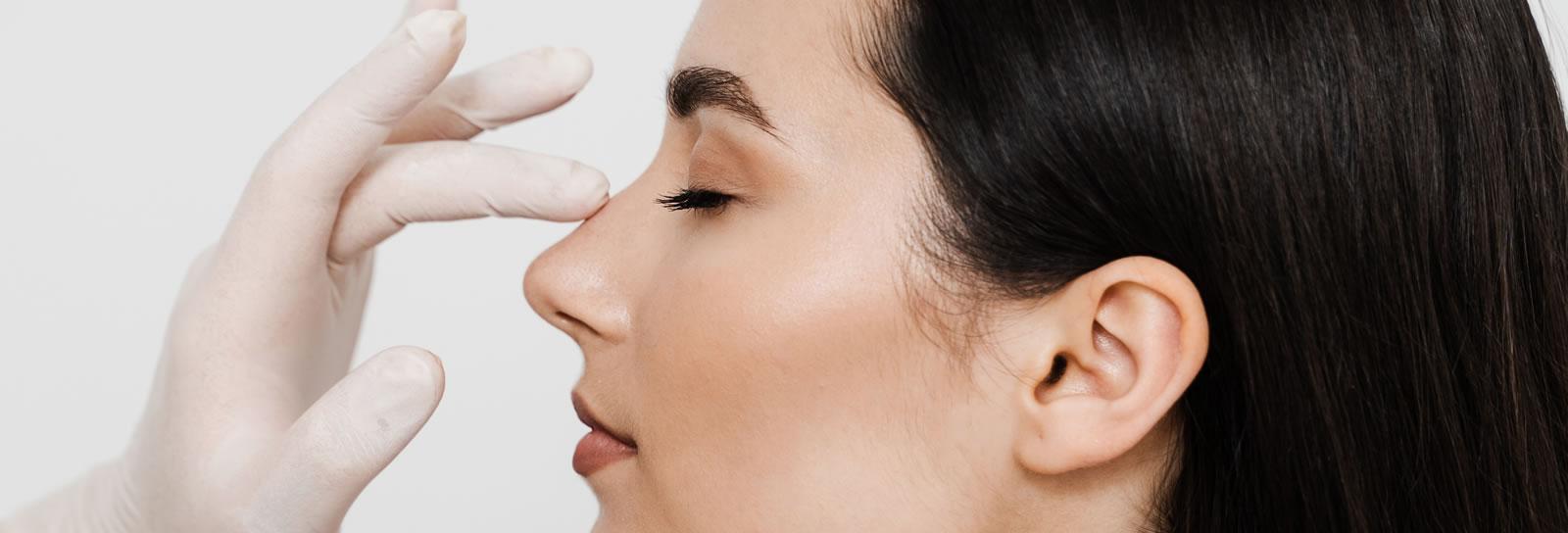
In Riyadh’s rapidly evolving cosmetic landscape, a significant shift has occurred. The era of the "cookie-cutter" or Eurocentric "Barbie nose" is being replaced by a sophisticated movement known as Ethnic Rhinoplasty in riyadh(تجميل الأنف في الرياض). This trend prioritizes the "Natural Look," focusing on surgical refinements that respect and enhance Middle Eastern heritage rather than erasing it.
The Core Philosophy: Heritage Preservation
The modern Riyadh patient is increasingly seeking a look that says "well-rested" or "refined" rather than "operated on." Ethnic rhinoplasty in the region typically addresses three key anatomical traits common to Middle Eastern profiles:
-
Dorsal Hump Reduction: Instead of creating a scooped, sloping bridge, surgeons now focus on a "straight-line" profile that maintains a strong, noble appearance.
-
Tip Refinement: Addressing bulbous or drooping tips (common due to thicker skin) by providing structural support through cartilage grafting, rather than aggressive tissue removal.
-
Alar Base Narrowing: Refining wide nostrils while ensuring they remain in proportion with the rest of the facial features to avoid a "pinched" look.
Why the "Natural Look" is Trending in Riyadh
Several cultural and technological factors have fueled this 2026 trend:
| Factor | Influence on the Trend |
| Cultural Identity | A growing pride in Saudi identity; patients want to look like the best version of themselves, not a Western celebrity. |
| Piezo Technology | The use of ultrasonic tools (Piezo) allows for precise bone sculpting with less bruising and a more natural-looking bridge. |
| Social Media Shift | Influencers in the GCC are moving away from heavy filters toward "transparency," sparking a demand for subtle, realistic cosmetic results. |
| Advanced Grafting | Using the patient’s own septal or ear cartilage to build structure ensures the nose ages naturally and remains functional. |
Technical Innovations Driving Results
Surgeons in Riyadh are now utilizing specialized techniques to handle the unique challenges of Middle Eastern skin, which tends to be thicker and more sebaceous:
-
Structural Support: Unlike traditional reduction rhinoplasty, ethnic rhinoplasty often involves adding support (grafts) to ensure the tip doesn't droop over time.
-
Closed Preservation Rhinoplasty: Many top clinics now offer "scarless" approaches where all incisions are internal, preserving the nasal ligaments and soft tissue for a softer, more natural movement during facial expressions.
-
3D Simulation: High-fidelity 3D imaging is standard in Riyadh’s top clinics, allowing patients to visualize a "natural" result that balances their specific chin and forehead proportions before the first incision is made.
Expert Note: The goal of a successful ethnic rhinoplasty is "facial harmony." When the nose is in balance with the eyes and lips, the viewer's attention is drawn to the eyes, not the surgery.