
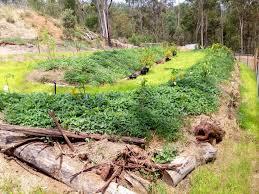
Permaculture is more than just a method of gardening—it is a holistic approach to sustainable living that works with nature rather than against it. As awareness of climate change, food security, and environmental sustainability grows, more people are turning to permaculture to create resilient systems for food, water, energy, and community living. With digital education becoming widely accessible, online permaculture courses have emerged as a convenient and effective way to learn these principles from anywhere in the world.
This article covers everything you need to know about an online permaculture course, including what it is, what you’ll learn, who it’s for, its benefits, and how to choose the right program.
What Is an Online Permaculture Course?
An online permaculture course is a structured digital learning program that teaches the principles, ethics, and practices of permaculture through virtual platforms. These courses are designed to provide both theoretical knowledge and practical guidance using video lessons, reading materials, assignments, case studies, and sometimes live interactive sessions.
Unlike traditional in-person permaculture design courses, online programs allow learners to study at their own pace while still gaining a deep understanding of sustainable system design for homes, farms, and communities.
Core Principles of Permaculture
Most online permaculture courses are built around three core ethics:
- Care for the Earth – Protecting natural ecosystems, soil, water, and biodiversity
- Care for People – Supporting healthy communities and fair access to resources
- Fair Share – Limiting consumption and redistributing surplus responsibly
Along with these ethics, learners are introduced to permaculture design principles such as observing natural patterns, using renewable resources, minimizing waste, and designing efficient systems.
What You Will Learn in an Online Permaculture Course
While course structures vary, most comprehensive online permaculture courses include the following topics:
- Introduction to Permaculture Design
You’ll learn the origins of permaculture, its philosophy, and how design thinking can be applied to land, homes, and communities.
- Soil Health and Regeneration
Understanding soil is fundamental to permaculture. Courses cover composting, mulching, soil biology, and methods to improve fertility naturally.
- Water Management Systems
You’ll explore rainwater harvesting, swales, greywater systems, and strategies to conserve and reuse water efficiently.
- Sustainable Food Production
This includes food forests, companion planting, organic gardening, and integrated animal systems designed to work harmoniously with the environment.
- Climate and Site Analysis
Learners are taught how to analyze sun patterns, wind, rainfall, and microclimates to design systems suited to specific environments.
- Natural Building and Energy Systems
Some courses introduce natural construction methods, passive solar design, and renewable energy basics.
- Waste Reduction and Recycling
Permaculture emphasizes turning waste into resources through composting, recycling, and closed-loop systems.
- Social Permaculture
Beyond land design, online courses often address community resilience, cooperative living, and sustainable lifestyles.
Who Should Take an Online Permaculture Course?
Online permaculture courses are suitable for a wide range of learners, including:
- Home gardeners and urban growers
- Farmers and landowners
- Environmental enthusiasts
- Sustainability educators
- Students and professionals seeking eco-friendly skills
- Anyone interested in self-sufficient living
No prior experience is usually required, making these courses accessible to beginners while still offering valuable insights for advanced learners.
Benefits of Learning Permaculture Online
- Flexible Learning Schedule
Online courses allow you to learn at your own pace, making them ideal for people with busy schedules.
- Global Access to Expert Knowledge
You can learn from experienced permaculture designers and educators regardless of geographic location.
- Cost-Effective Education
Online courses are often more affordable than in-person programs, with no travel or accommodation costs.
- Lifetime Access to Materials
Many programs offer lifetime access to course content, allowing you to revisit lessons whenever needed.
- Practical Application
Even though the course is online, most programs encourage hands-on projects that can be applied to your own space.
Certification and Course Completion
Some online permaculture courses offer certificates upon completion. These certificates may be helpful for personal development, teaching, or professional applications. However, learners should note that not all certifications are officially accredited, so it’s important to understand the recognition level before enrolling.
How to Choose the Right Online Permaculture Course
When selecting an online permaculture course, consider the following factors:
- Course Content: Ensure it covers core permaculture principles and practical applications
- Instructor Experience: Look for courses taught by experienced practitioners
- Learning Format: Check if it includes videos, assignments, live sessions, or community forums
- Support and Interaction: Some courses offer mentor support or peer discussions
- Reviews and Testimonials: Feedback from previous learners can offer valuable insight
Online Permaculture Courses vs In-Person Learning
While in-person courses provide hands-on experience, online permaculture courses offer unmatched flexibility and accessibility. Many learners find online learning a great starting point before attending advanced in-person workshops or applying permaculture principles on a larger scale.
Career and Lifestyle Opportunities After Learning Permaculture
Completing an online permaculture course can open doors to various opportunities, including:
- Sustainable farming and gardening
- Eco-design consulting
- Community development projects
- Teaching and workshops
- Personal self-sufficiency and lifestyle improvement
Permaculture skills are increasingly valuable in a world seeking sustainable solutions.
Final Thoughts
An online permaculture course is an excellent way to gain practical knowledge about sustainable living, environmental stewardship, and regenerative design. Whether you want to grow your own food, improve your land, or contribute to a healthier planet, these courses provide a solid foundation for meaningful change.
With the convenience of online learning and the growing demand for sustainable practices, now is an ideal time to explore permaculture and begin your journey toward a more resilient and eco-friendly lifestyle.