
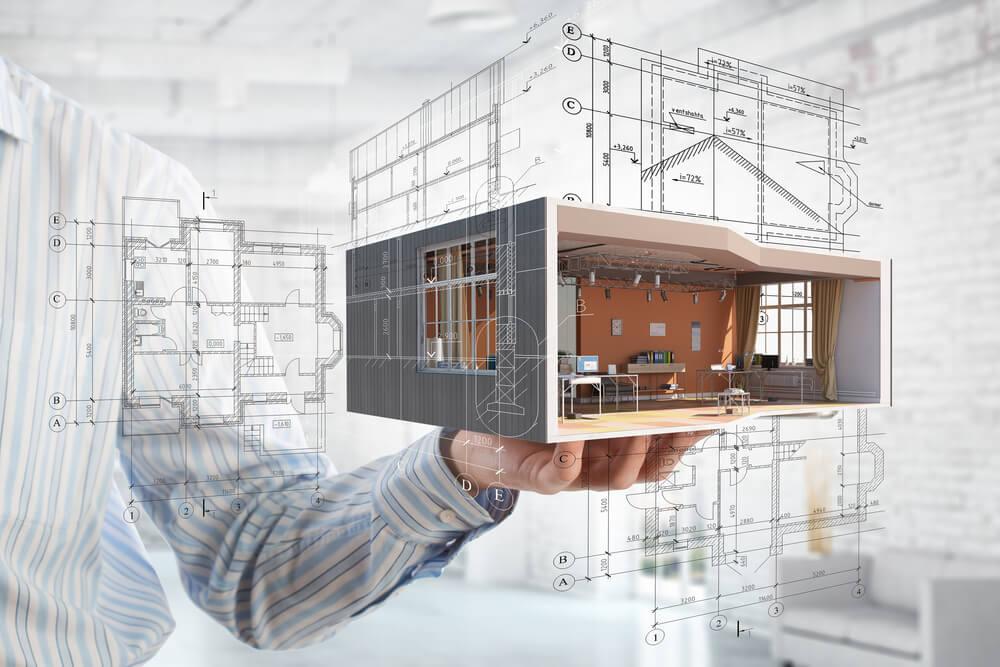
Dubai’s skyline is a powerful symbol of ambition and progress. Over the past few decades, the city has transformed into a global hub for architecture, engineering, and innovation. Today, however, the focus is not only on building higher and faster but also on building smarter and more responsibly. Sustainability has become a central goal in Dubai’s construction industry, and structural design plays a crucial role in achieving this objective. The role of structural design in sustainable building development is increasingly important as the city works toward a future that balances growth with environmental responsibility.
Understanding sustainability in Dubai’s construction context
Sustainable building development in Dubai goes beyond energy efficiency. It includes responsible use of materials, long term durability, reduced environmental impact, and improved performance throughout a building’s lifecycle. With limited natural resources and a challenging climate, Dubai faces unique sustainability challenges that must be addressed through thoughtful design and engineering.
Structural design forms the backbone of any building. Decisions made at the structural level influence material consumption, construction methods, operational performance, and adaptability over time. In sustainable development, structural engineers are no longer focused only on strength and safety. They are also key contributors to environmental performance and resource efficiency.
Why structural design matters for sustainability
Structural design determines how a building stands, how it responds to loads, and how materials are used. In sustainable building development, the goal is to achieve these functions using the least amount of resources while maintaining safety and performance.
Efficient structural systems reduce the quantity of concrete, steel, and other materials required. This directly lowers carbon emissions associated with material production and transportation. In Dubai, where large scale projects are common, even small improvements in structural efficiency can lead to significant environmental benefits.
By optimizing structural layouts, spans, and load paths, engineers can support sustainability from the earliest design stages.
Material selection and responsible use
One of the most direct ways structural design contributes to sustainable building development is through material selection. Concrete and steel are among the most widely used construction materials in Dubai, but they also have high embodied carbon.
Structural engineers play a key role in selecting appropriate materials and designing systems that minimize waste. High strength materials, recycled content, and locally sourced products can all contribute to sustainability goals when used strategically.
Structural design also influences construction waste. Accurate detailing and efficient design reduce the need for on site adjustments, which helps limit material waste and supports cleaner construction practices.
Designing for durability and long term performance
Sustainability is not only about reducing environmental impact during construction. It also involves creating buildings that perform well over decades with minimal maintenance and repair.
Structural design is critical to durability. In Dubai’s harsh climate, buildings are exposed to high temperatures, humidity, and occasional aggressive environmental conditions. Poor structural design can lead to premature deterioration, requiring costly repairs or even replacement.
By designing structures that are resilient and durable, engineers help extend a building’s lifespan. This reduces the need for future construction and conserves resources over time, which is a core principle of sustainable building development.
Supporting energy efficient architectural solutions
While structural design does not directly control energy systems, it strongly influences architectural strategies that impact energy performance. Structural layouts affect building orientation, facade design, shading systems, and internal space planning.
For example, efficient structural grids can support flexible layouts that maximize natural daylight and ventilation. Structural systems can also enable the use of shading elements, green roofs, and facade features that reduce heat gain.
In Dubai, where cooling loads are a major concern, the ability of structural design to support energy efficient architectural solutions is a key contributor to sustainability.
Reducing embodied carbon through optimization
Embodied carbon refers to the carbon emissions associated with the production, transportation, and construction of building materials. Structural design has a significant impact on embodied carbon because it determines material quantities and types.
Through advanced analysis and optimization techniques, structural engineers can reduce material usage without compromising safety. This includes optimizing member sizes, using efficient structural systems, and avoiding overdesign.
Digital design workflows supported by platforms such as bin ally allow engineers to evaluate multiple design options and select solutions that balance performance, cost, and environmental impact.
Adaptability and future proofing
Sustainable buildings must be able to adapt to changing needs over time. A structure that can accommodate future modifications reduces the need for demolition and reconstruction.
Structural design plays a central role in adaptability. Designing flexible floor systems, generous load capacities, and modular components allows buildings to evolve as uses change.
In Dubai’s rapidly changing market, adaptability is particularly valuable. Buildings that can be repurposed or upgraded extend their useful life and reduce the environmental impact associated with new construction.
Supporting efficient construction methods
Construction methods have a significant impact on sustainability. Structural design influences how buildings are constructed, including the use of prefabrication, modular systems, and efficient sequencing.
Prefabricated structural elements can reduce on site waste, improve quality, and shorten construction timelines. In Dubai, where large scale projects often operate under tight schedules, these efficiencies also offer economic benefits.
By designing structures that are compatible with modern construction techniques, engineers support both sustainability and productivity.
Coordination with other disciplines
Sustainable building development requires close collaboration between all disciplines involved in a project. Structural design must be coordinated with architectural, mechanical, electrical, and plumbing systems to achieve optimal performance.
Digital collaboration platforms such as bin ally support this coordination by enabling teams to work within a shared environment. This reduces conflicts, improves communication, and ensures that sustainability goals are integrated across all aspects of the design.
When structural design is aligned with other disciplines from the start, sustainability becomes a collective outcome rather than an isolated effort.
Meeting sustainability standards and regulations
Dubai has introduced various regulations and guidelines to promote sustainable construction. Compliance with these requirements often depends on the performance of the structural system.
Structural engineers contribute to meeting sustainability standards by providing data on material quantities, performance, and durability. This information supports certification processes and helps demonstrate compliance with environmental goals.
As sustainability regulations continue to evolve, the role of structural design in meeting these requirements will become even more important.
The economic value of sustainable structural design
There is a growing understanding in Dubai that sustainable design is not just an environmental responsibility but also an economic opportunity. Efficient structural design can reduce construction costs, lower operational expenses, and increase asset value.
Buildings with sustainable credentials are more attractive to investors, tenants, and end users. Structural design that supports sustainability therefore contributes to long term financial performance.
This alignment between environmental and economic goals is driving greater demand for sustainable structural solutions in Dubai’s construction market.
Future trends in structural design and sustainability
The future of sustainable building development in Dubai will be shaped by innovation in structural design. Advances in materials, analysis tools, and digital workflows will continue to improve efficiency and reduce environmental impact.
Technologies such as performance based design, parametric modeling, and lifecycle assessment will become more widely used. Structural engineers will increasingly rely on data driven decision making to support sustainability objectives.
Digital platforms like bin ally will play a key role in enabling these workflows by supporting collaboration, analysis, and documentation.
Conclusion
The role of structural design in sustainable building development is fundamental to Dubai’s vision for a responsible and resilient built environment. Structural decisions influence material use, durability, energy performance, and adaptability, all of which are central to sustainability.
As Dubai continues to grow and evolve, the construction industry must balance ambition with responsibility. Structural engineers are uniquely positioned to support this balance by delivering designs that are safe, efficient, and environmentally conscious.
Supported by collaborative digital environments such as bin ally, structural design is becoming a powerful driver of sustainable development. By integrating sustainability into the core of structural decision making, Dubai can continue to build iconic projects that not only define the skyline but also respect the future of the city and the planet.