
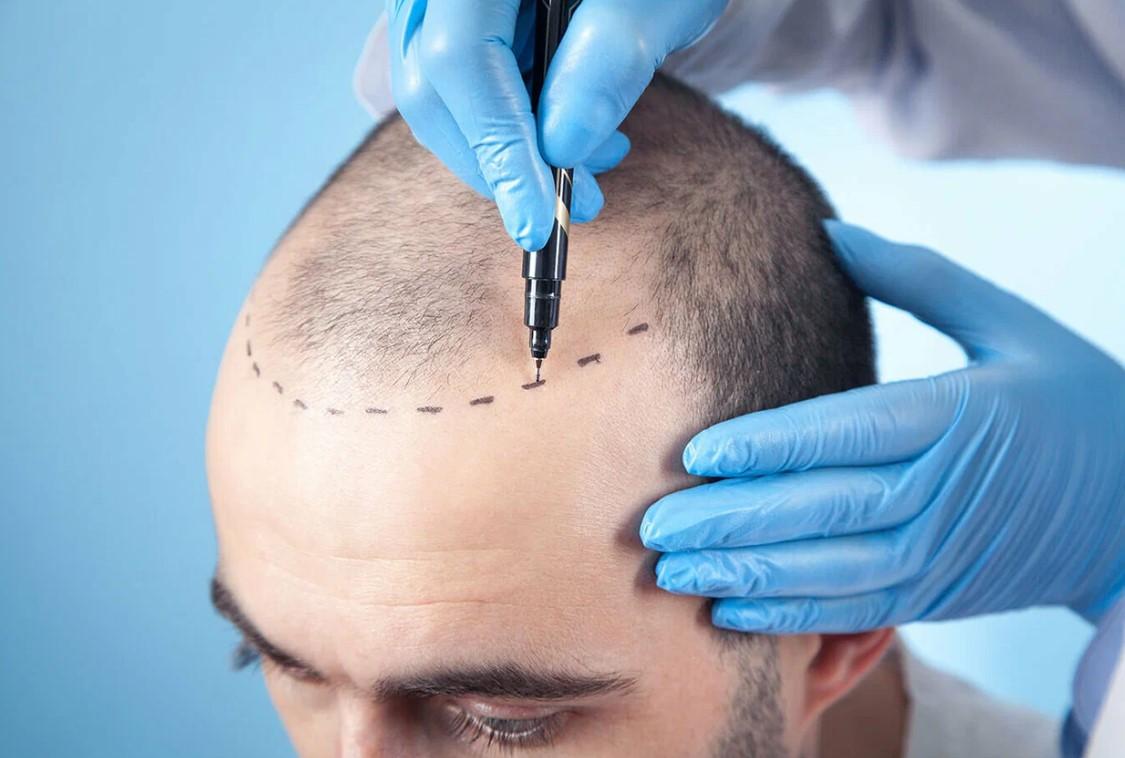
Hair transplant surgery is a safe and effective procedure for restoring hair, but like any surgical intervention, it comes with temporary side effects such as swelling and discomfort. Proper management of these post-operative symptoms is crucial for a smooth recovery, optimal graft survival, and patient comfort. Understanding what causes swelling, how to alleviate discomfort, and which precautions to follow can make the recovery process much more manageable. Hair transplant in Riyadh offers advanced solutions for individuals seeking natural-looking hair restoration with long-lasting results.
1. Understanding Swelling After Hair Transplant Surgery
Swelling, or edema, is a natural response to surgical trauma. During a hair transplant, small incisions are made in the scalp, and the body reacts by sending fluid to the area as part of the healing process. This swelling can affect both the scalp and surrounding areas, sometimes extending to the forehead, temples, and even around the eyes.
Key points to know about post-transplant swelling:
-
Usually appears 1–2 days after surgery
-
Peaks around 48–72 hours
-
Gradually subsides within 5–7 days
-
More common in patients undergoing larger graft sessions or extensive procedures
Swelling is generally harmless but can cause temporary discomfort, tightness, or a feeling of pressure on the forehead and scalp.
2. Understanding Discomfort and Pain
Discomfort after a hair transplant is usually mild and manageable. It may include:
-
Aching or tenderness in the donor and recipient areas
-
Tightness in the scalp due to swelling
-
Mild headaches or sensitivity around the forehead
Pain intensity varies depending on the surgical method. Patients who undergo FUE often report slightly less post-operative discomfort than those who undergo FUT, because FUT involves a linear donor incision that can cause tension and soreness during the healing period.
3. Immediate Measures to Reduce Swelling
Several simple steps can help reduce swelling immediately after surgery:
-
Keep the head elevated: Sleeping with the head raised at a 45-degree angle using multiple pillows helps fluid drain and reduces facial swelling.
-
Apply cold compresses carefully: Cold packs can be applied to the forehead or sides of the face (never directly on transplanted grafts) for 10–15 minutes at a time.
-
Avoid bending forward or heavy lifting: Activities that increase blood flow to the head may worsen swelling.
-
Stay hydrated: Drinking plenty of water helps the body regulate fluid balance and reduces edema.
4. Pain Management Strategies
Mild pain is expected but can be controlled with simple strategies:
-
Prescription or over-the-counter pain relievers: Your surgeon may provide or recommend medications to manage pain. Follow instructions carefully.
-
Avoid blood-thinning medications unless prescribed: Medications like aspirin can increase swelling and bruising.
-
Gentle scalp care: Avoid touching, scratching, or pressing on the grafted areas, as this can aggravate discomfort.
5. Medications to Reduce Swelling and Discomfort
Surgeons often prescribe medications to help with post-operative symptoms:
-
Anti-inflammatory drugs: Reduce swelling and relieve mild pain.
-
Antibiotics (if prescribed): Prevent infection, which can worsen discomfort.
-
Painkillers: Short-term use to alleviate soreness, especially in the donor area.
Always follow the prescribed dosage and avoid self-medicating, as incorrect use can affect healing.
6. Lifestyle and Activity Adjustments
Patient behavior plays a significant role in controlling swelling and discomfort:
-
Rest: Limit strenuous activity for at least a week after surgery.
-
Avoid heavy exercise: Cardiovascular or weight training increases blood flow to the scalp and can aggravate swelling.
-
Protect from sun exposure: Direct sunlight can cause inflammation and worsen discomfort.
-
Avoid smoking and alcohol: Both impair healing and can contribute to swelling.
7. Monitoring and Recognizing Warning Signs
Most post-transplant swelling is normal and resolves within a week. However, patients should monitor their condition and seek medical attention if they notice:
-
Severe, persistent pain unrelieved by medication
-
Rapid or excessive swelling beyond the forehead and scalp
-
Redness, warmth, or pus, which may indicate infection
-
Fever or general malaise
Timely intervention ensures complications are avoided and recovery remains smooth.
8. Long-Term Comfort Tips
Even after initial swelling subsides, ongoing care is important:
-
Follow proper hair washing techniques: Gentle washing prevents irritation.
-
Avoid tight headwear: Pressure on the scalp can lead to discomfort and affect grafts.
-
Use recommended topical solutions or sprays: These can soothe the scalp and promote healing.
-
Attend follow-up appointments: Surgeons check graft health and address lingering soreness or swelling.
9. Psychological and Emotional Considerations
Swelling and mild discomfort can cause anxiety or impatience, especially when visible changes affect appearance. Understanding that these effects are temporary and part of the normal healing process helps manage expectations and reduces stress. Maintaining a positive mindset can also support better recovery.
10. Summary
Swelling and discomfort after hair transplant surgery are common, temporary, and manageable. By following recommended post-operative care — including head elevation, cold compresses, pain management, activity restrictions, and medication adherence — patients in Riyadh can significantly reduce these symptoms. Awareness of warning signs, proper hygiene, and a gradual return to normal activities are crucial for a smooth recovery and successful long-term results.
With careful attention to these steps, most patients find that swelling subsides within a week, discomfort becomes minimal, and the transplanted hair begins to grow naturally over the following months, ultimately restoring both hair and confidence.