
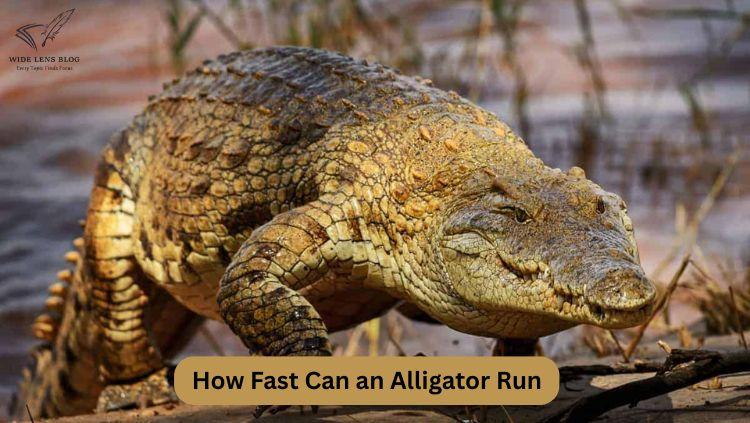
Alligators are often perceived as slow-moving, lumbering reptiles, but their speed can surprise even seasoned wildlife enthusiasts. At Wide Lens Blog, we dive deep into the mechanics behind alligator movement to explore just how fast an alligator can run and what factors influence their bursts of speed.
The Anatomy Behind Alligator Speed
Alligators are built for both power and stealth. Their muscular tails and strong limbs allow them to launch sudden attacks on prey or escape danger. Despite their seemingly cumbersome bodies, adult alligators can generate impressive bursts of speed over short distances. Research indicates that an adult alligator can sprint up to 11 miles per hour (18 kilometers per hour) on land. This may seem modest compared to terrestrial predators, but for a semi-aquatic reptile weighing several hundred pounds, this is remarkable.
The anatomy of an alligator plays a significant role in their ability to move quickly. Their sprawling stance allows flexibility and stability, while their tail provides propulsion, especially in water. On land, their limb muscles contribute to short, explosive movements rather than sustained running.
Factors Affecting Alligator Movement
Several factors influence alligator speed. Age, size, and health are key determinants. Younger alligators tend to be faster and more agile due to their lighter bodies and more flexible joints. Conversely, older and larger alligators may rely on ambush tactics instead of running to catch prey.
Environmental conditions also play a role. Soft, muddy terrain can slow an alligator, whereas firm ground allows them to reach maximum speed. Temperature is another critical factor; as ectotherms, alligators rely on external heat to regulate muscle activity. Warm conditions optimize their performance, while cold temperatures can significantly reduce their mobility.
Comparing Running and Swimming
While alligators are fast on land for short sprints, their aquatic speed is even more impressive. In water, an alligator can swim at speeds up to 20 miles per hour (32 kilometers per hour), using their powerful tails to glide silently and efficiently. Understanding the difference between swimming vs running highlights their adaptability as predators. Land speed is mainly about bursts for defense or ambush, while water speed ensures dominance in their natural habitats of rivers, swamps, and wetlands.
Safety Around Fast Alligators
Given their surprising bursts of speed, humans should exercise caution around alligator habitats. Never approach or provoke these reptiles, even if they appear slow or sluggish. Observing from a safe distance ensures both human and alligator safety while appreciating their natural capabilities.
Conclusion
Alligators are far more agile than many people realize. By examining how fast an alligator can run, we gain insight into their physiology, survival strategies, and impressive adaptability. Whether on land or in water, alligators are engineered for efficiency and sudden bursts of power, making them one of nature’s most fascinating predators.
At Wide Lens Blog, we aim to provide readers with detailed, accurate, and engaging insights into the natural world, combining technical knowledge with an approachable, human perspective.