
Back and neck pain are among the most common complaints affecting adults worldwide. Whether caused by herniated discs, degenerative changes, poor posture, or repetitive strain, spinal discomfort can severely limit quality of life. Many traditional treatment options provide only temporary relief or require invasive procedures. This is why more individuals are exploring advanced non surgical interventions like Spinal Decompression Therapy.
Spinal Decompression Therapy is a targeted form of traction designed to relieve pressure on spinal discs and other structures within the spine. By creating a gentle, controlled stretching of the spine, this therapy supports natural healing processes, promotes nutrient exchange, and helps reduce pain without the need for surgery or prolonged medication use.
What Is Spinal Decompression Therapy
Spinal Decompression Therapy refers to a non invasive mechanical traction technique applied to the spine with the goal of alleviating pressure within spinal discs and joints. Unlike traditional traction, which applies a constant force, spinal decompression uses computerized equipment to deliver a controlled stretch that alternates between slight flexion and relaxation phases.
This process increases space between the vertebrae and decreases intradiscal pressure. Reduced pressure within the disc can create a vacuum effect that draws bulging or herniated material back toward the center of the disc, potentially decreasing nerve irritation and reducing pain.
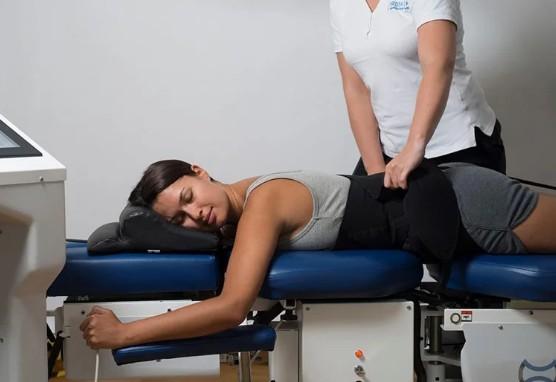
Spinal Decompression Therapy is typically performed on a specialized table, with the patient comfortably positioned and secured using harnesses. The machine applies gentle, precise distraction forces to the spine while the patient remains relaxed.
How Spinal Decompression Therapy Works
The effectiveness of Spinal Decompression Therapy is rooted in its ability to influence spinal mechanics and promote healing responses within spinal tissues:
Reduced Intradiscal Pressure
By gently stretching the spine, the therapy decreases pressure inside the spinal discs. This negative pressure may help retract bulging or herniated disc material away from nerve roots.
Improved Nutrient Exchange
Spinal discs rely on fluid movement for nutrition. Reduced pressure and increased space allow nutrients and oxygen to penetrate disc material more easily, promoting tissue repair.
Decreased Nerve Compression
As disc pressure diminishes and disc material moves away from nerve structures, pain from nerve irritation or impingement may decrease.
Improved Spinal Alignment
Decompression can support better alignment of vertebrae and reduce compensatory movement patterns that contribute to chronic pain.
Relaxation of Muscles and Soft Tissues
Reduced spinal pressure often leads to decreased muscle guarding and tension, further contributing to pain relief.
By addressing the mechanical causes of pain, Spinal Decompression Therapy aims to not just manage symptoms but support the underlying healing processes.
Conditions Commonly Treated With Spinal Decompression Therapy
Spinal Decompression Therapy is used to manage a variety of spinal conditions that involve disc dysfunction or nerve irritation. Some of the most common issues treated include:
Herniated or Bulging Discs
When disc material presses against nerves, pain, numbness, or weakness can result.
Degenerative Disc Disease
Wear and tear on spinal discs can lead to chronic discomfort and limited mobility.
Sciatica
Irritation of the sciatic nerve often related to disc problems can cause radiating pain down the leg.
Spinal Stenosis
Narrowing of the spinal canal can compress nerves and contribute to pain and stiffness.
Facet Joint Syndrome
Irritation of the joints that guide spinal movement may benefit from decompression support.
Failed Back Surgery Syndrome
Individuals who have persistent pain following conventional surgery may explore spinal decompression as a non surgical alternative.
Because spinal discomfort often involves complex interactions between discs, joints, nerves, and soft tissues, Spinal Decompression Therapy is frequently integrated into a broader care plan for optimal outcomes.
What to Expect During a Spinal Decompression Therapy Session
A typical Spinal Decompression Therapy session begins with a detailed consultation to identify pain patterns, movement limitations, and functional goals. This evaluation ensures that decompression is appropriate for the individual’s condition.
During the session, the patient lies comfortably on a motorized decompression table. Anatomical structures such as the pelvis and torso are gently secured using harnesses. The computerized system then applies precise distraction forces to stretch the spine in a controlled manner.
Patients usually experience a gentle pulling sensation. Because the forces are carefully regulated, sessions are generally well tolerated and comfortable. There is no forceful cracking or sudden movements involved.
Most sessions last between 15 and 30 minutes. A typical course of Spinal Decompression Therapy may include multiple sessions scheduled over several weeks, depending on the severity of the condition and individual response to care.
Benefits of Spinal Decompression Therapy
Spinal Decompression Therapy offers several advantages that make it a valuable option for individuals seeking non surgical solutions for spinal pain:
Non Invasive Care
No incisions, anesthesia, or surgical recovery time are required.
Pain Reduction
By addressing pressure within the spine and reducing nerve irritation, many individuals experience reduced pain.
Supports Natural Healing
Improved nutrient exchange and reduced pressure support the body’s own repair mechanisms.
Minimal Recovery Time
Patients usually return to normal activities quickly after a session.
Effective for Chronic Conditions
Spinal Decompression Therapy can benefit individuals with long standing disc dysfunction or degenerative changes.
These benefits make Spinal Decompression Therapy especially appealing for people who want to avoid invasive procedures or long term medication use.
Who Can Benefit From Spinal Decompression Therapy
Spinal Decompression Therapy is suitable for individuals experiencing back pain, neck pain, or nerve related symptoms due to disc dysfunction. It is often recommended for people who:
Have not found lasting relief from conventional care
Are not ideal candidates for surgery
Prefer a non invasive approach to spinal care
Experience chronic or recurrent disc related pain
Have conditions such as sciatica, herniated discs, or degenerative changes
A thorough clinical assessment is essential to confirm that Spinal Decompression Therapy is appropriate based on individual health history and specific symptoms.
Integrating Spinal Decompression Therapy With Rehabilitation
While Spinal Decompression Therapy can provide significant relief, its benefits are often enhanced when combined with rehabilitation and movement based care. Targeted exercises, postural training, and strength building help improve spinal stability and reduce the risk of future injury.
Movement therapies may include flexibility exercises, core strengthening, and ergonomic guidance to support optimal spinal mechanics. Integrating decompression with functional movement work helps individuals achieve sustained improvements in comfort and performance.
Long Term Outcomes and Maintenance
The goal of Spinal Decompression Therapy is not only to reduce pain but to improve spinal health over time. As pressure on discs and nerves is reduced and tissue nutrient exchange improves, many individuals experience greater ease of movement and enhanced confidence in daily activities.
Long term maintenance may involve regular movement habits, continued strengthening, and lifestyle adjustments that support spinal alignment and reduce strain.
Conclusion
Spinal Decompression Therapy is a safe and effective non surgical treatment option for individuals experiencing back and neck pain related to disc dysfunction, nerve irritation, or degenerative spinal conditions. By gently stretching the spine and creating a supportive environment for natural healing, this therapy offers a promising alternative for people seeking relief without invasive procedures.
Whether used on its own or integrated with a broader rehabilitative plan, Spinal Decompression Therapy provides a patient centered approach focused on functional improvement, reduced pain, and long term spinal health.