
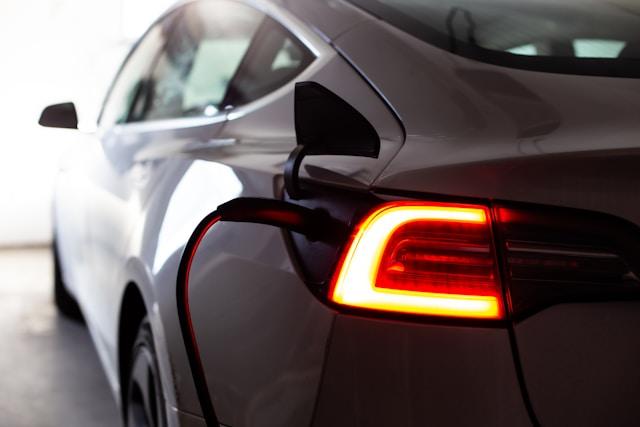
The market for electric vehicles is no longer new, but their sales numbers are telling a different story. EVs like the Tesla Model 3 are now retired from their original drive unit warranties, and repairs, maintenance, and servicing is in the spotlight.
In the past, Electric Vehicles (EVs) used to have a reputation of no repairs, no problems. This is slowly starting to change. Customers have EVs have experiences that illustrate the need for repairs, and the options for service are expanding. As the market for EVs continues to grow, the need for services for repairs is also expanding. The Electric Vehicle Market is projected to increase to 1,538.7 Billion USD by 2030, which means there will be more EVs and more questions regarding what services will be needed.
This leads to two questions: what part of an EV needs service/repairs, and are regular auto shops able to service EVs?
To answer the first part of the question, EVs do require repairs and services, but they require less maintenance than gas powered cars.
EVs do offer less maintenance, and this is a fact. Electric cars have no oil that needs to be changed, there are no fuel filters that have to be replaced, no exhaust systems to fix, nor spark plugs to worry about. The drive trane systems are also less complex than gas powered cars, and do not have parts that are at risk of needing to be replaced. People with EVs have also reported that they do long stretches of driving and don’t need to do more than check on the tires and do an inspection.
In addition, cars with regenerative braking systems that use a motor to slow down the car and recover energy. This system reduces the need to replace the brakes, and, therefore, reduces the need to visit a shop.
No Maintenance Does Not Mean Less Maintenance
Keeping expectations realistic will help mitigate future frustrations.
Worn tires are a fact of EV life. Instant torque makes accelerating feel good but puts stress on the tires. EVs also have the added weight of a battery. Components of the suspension will age. Filters will plug. Wipers will still wipe.
EV ownership cuts out certain services on the calendar, but not the services themself.
The Complications of EV Repairs
Regardless, repair services will still be needed.
The mix of advanced technology and traditional mechanical elements do not play nicely together. Diagnosing and repairing a part often involves understanding how to navigate high-voltage systems. Waiting for repairs to be done is not the worst fact of life. Getting electrocuted is.
Tough repairs are not about the tools. They are tough because of the knowledge needed.
The Need for Knowledgeable EV Technicians
EVs are powered using high-voltage technology. That fact alone changes the rules.
High-voltage electronics, motors, and batteries require the technician to have knowledge on each of them. After an accident, the risk goes up even more. Damaged battery packs can be volatile, too. Improper handling can cause a fire.
As the number of EVs on the road increases, demand for technicians qualified to service EVs is growing, even outside of OEM networks, as dealership service centers continue to struggle with demand. Training for this type of repair work usually starts general, then becomes specific to a brand. Not all repair procedures are the same for Tesla, Hyundai, or Ford.
The industry is evolving, and this is a growing trend.
Examples of EV Repairs
Battery Infrastructure Repairs
The battery is the most important part of an EV, and as a result, it receives the most attention.
Failures are infrequent, but as warranty protections expire customer concerns increase. These might include gradual capacity loss due to overheating or frequent fast charging, packets of empty cells, and troubles with the thermal control system. Repairs of this nature require highly trained technicians and the enforcement of stringent safety protocols.
Charging System Repairs
If the system is not charging, the vehicle is not operational.
The most common causes of charging system problems include worn charging ports, damaged cables, and issues with the OEM charger that converts AC power into DC for the battery. Even in some connector problems to the battery can cause charging issues.
Electric Powertrain Unit Repairs
The powertrain does the majority of the work.
Possible problems include faulty inverters, faulty sensors, or worn out parts like bearings in the motors. Faults in the systems used for regenerative braking can also negatively impact how quickly and effectively the brakes respond.
Electrical System Repairs
The electronics in EVs are integral to how these vehicles function.
Bridged wires signal breakdowns in the communication in between the systems. Control units can crash or become unresponsive, leading to erratic behavior. Diagnosing and fixing these issues often entail rebuilding the software, in addition to some other steps.
HVAC System Repairs
In EVs, people often overlook Heating and Cooling.
The HVAC system controls comfort in the cabin and the temperature of the battery. It can be affected by a leakage of coolant, a failure of a blower motor, or issues with sensors.
Suspension and Braking Repairs
These systems look familiar, even in an EV.
Just more slowly. Brake pads still wear out. Suspension parts still take a beating from rough roads and heavy vehicle weight. These repairs aren’t specific to EVs, but they are still essential for safety.
Software and Firmware Updates
EVs are coded.
To improve battery life, add or improve features, or troubleshoot problems, these vehicles receive software updates. Updates are largely done through the air, but some services still require a visit to the service center. This is often the case when the systems are not working properly and communication is not established.
Everyday Vehicle Parts
Electric vehicles have the same components as other cars. EVs have doors, windows, and batteries. Repairs also look like repairs on traditional cars.
EVs Are Still Cars, and Cars Need Care
Electric vehicles have less maintenance. One of the biggest advantages of driving an EV is the reduced maintenance. Still, driving an EV is not maintenance-free.
Repairs can be complex and require trained professionals. This is especially true for repairs involving the vehicle’s software and high-voltage systems. The repair ecosystem will grow as EVs become more common.
Even though EVs may be different 'under the hood,' taking care of your vehicle still matters.