
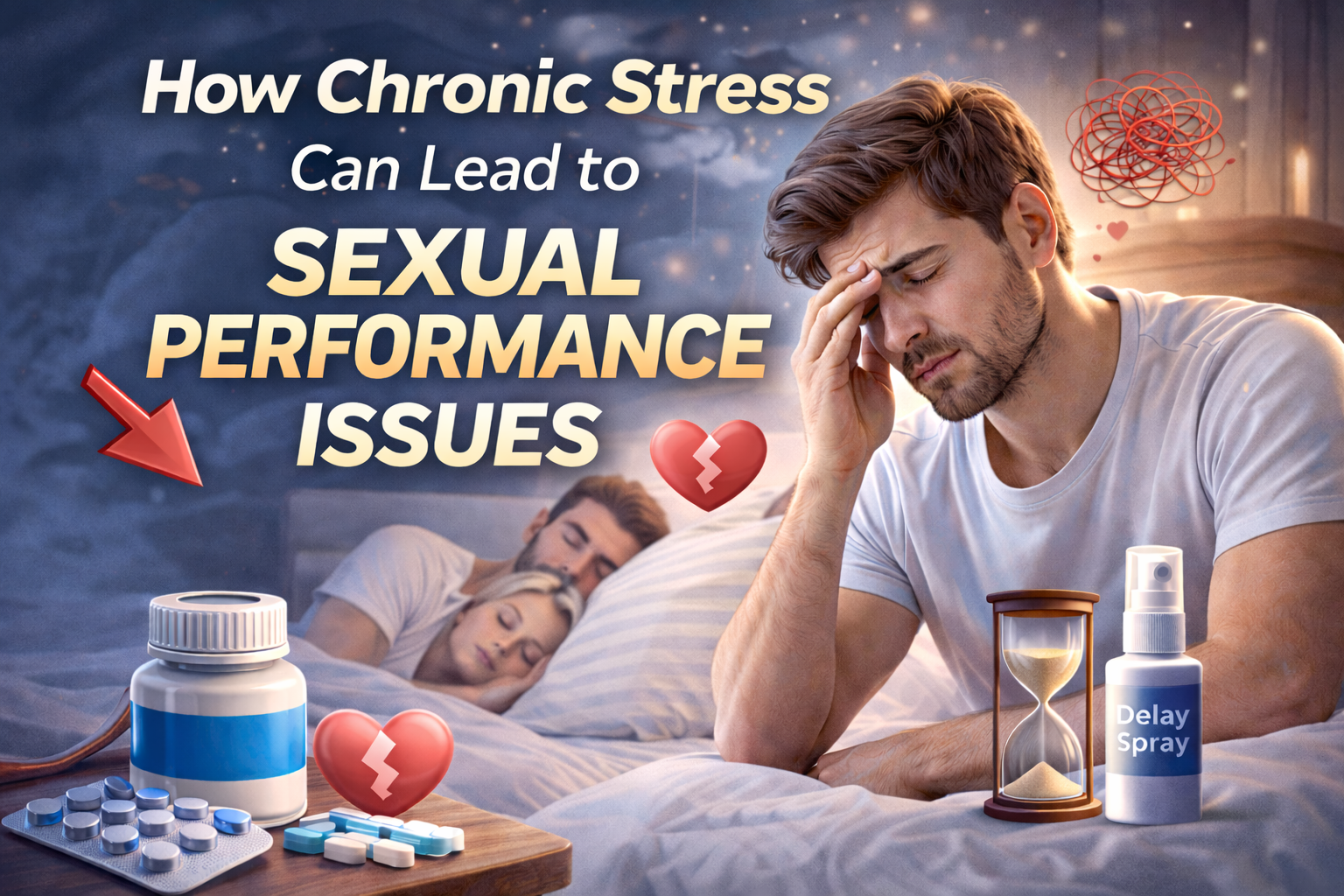
Performance anxiety is far more common among men than most people realize, yet it remains one of the least openly discussed aspects of sexual health. Often misunderstood as a lack of desire or confidence, performance anxiety is actually a complex psychological response influenced by stress, expectations, past experiences, and emotional wellbeing. Left unaddressed, it can quietly undermine self-esteem, relationships, and overall quality of life.
Understanding what performance anxiety is, why it occurs, and how it can be managed is essential for building healthier attitudes toward intimacy and men’s mental health.
What Is Performance Anxiety?
Performance anxiety refers to persistent worry or fear about one’s ability to perform sexually. Rather than being present and engaged during intimacy, the mind becomes preoccupied with thoughts such as fear of failure, concern about pleasing a partner, or anticipation of embarrassment.
This mental pressure activates the body’s stress response, making it difficult to relax—an essential condition for sexual arousal and responsiveness. As a result, the anxiety itself becomes the primary obstacle, not physical capability.
Why Performance Anxiety Happens
Performance anxiety does not arise in isolation. It often develops through a combination of psychological, emotional, and social factors.
Pressure and Expectations
Many men grow up internalising unrealistic expectations around masculinity and sexual performance. Media portrayals, cultural narratives, and peer conversations often suggest that men should always be confident, dominant, and consistently perform at a high level.
These expectations create pressure that can trigger anxiety, especially when reality does not match the idealised image.
Past Experiences
A single negative or embarrassing sexual experience can leave a lasting psychological imprint. If that experience is followed by fear of repetition, the mind begins associating intimacy with stress rather than pleasure.
Over time, this learned response can become automatic, reinforcing anxiety even in supportive and understanding relationships.
Stress and Mental Load
Work demands, financial concerns, family responsibilities, and lack of rest all contribute to chronic stress. When the mind is overloaded, it becomes difficult to shift into a relaxed, intimate state.
Mental fatigue reduces focus, emotional availability, and physical responsiveness, increasing vulnerability to performance anxiety.
The Mind-Body Connection
Sexual arousal depends on a finely tuned balance between the nervous system, hormones, and blood flow. Performance anxiety disrupts this balance by activating the “fight or flight” response.
When stress hormones like cortisol and adrenaline rise, the body prioritises survival functions rather than pleasure. Blood flow patterns change, muscle tension increases, and sensitivity may decrease. This physiological response is entirely natural but counterproductive in intimate situations.
Emotional Impact on Self-Esteem and Relationships
Performance anxiety often affects more than just sexual encounters. Men may begin to question their self-worth, masculinity, or desirability. Over time, this can lead to avoidance of intimacy, emotional withdrawal, or difficulty communicating openly with a partner.
Partners, in turn, may feel confused, rejected, or unsure how to help. Without honest conversation, misunderstandings can develop, placing strain on even strong relationships.
Myths That Worsen Performance Anxiety
Several common misconceptions contribute to performance anxiety:
- “It should always come naturally”- In reality, stress, mood, and health influence intimacy.
- “If there’s a problem once, it will always happen” - Occasional difficulties are normal and reversible.
- “Talking about it makes things worse” - Silence often increases pressure and misunderstanding.
Letting go of these myths is a critical step toward recovery.
The Role of Information and Online Searches
When anxiety persists, many men seek information online. In doing so, they may encounter terms such as vidalista80 while researching performance-related concerns. While access to information has improved awareness, it’s important to remember that anxiety-driven symptoms often require a broader approach than isolated solutions.
Addressing mental health, lifestyle habits, and emotional wellbeing remains central to long-term improvement.
Evidence-Based Ways to Manage Performance Anxiety
Performance anxiety is highly manageable with the right strategies. Effective approaches include:
1. Reducing Performance Pressure
Shifting focus from outcomes to connection helps reduce mental tension. Intimacy does not need to follow a script or meet unrealistic benchmarks.
2. Mindfulness and Relaxation
Practices such as deep breathing, meditation, and body awareness calm the nervous system and improve emotional presence.
3. Open Communication
Honest conversations with a partner reduce fear of judgment and build emotional safety, which directly supports sexual confidence.
4. Addressing Lifestyle Stressors
Improving sleep, reducing alcohol intake, exercising regularly, and managing workload stress can significantly lower anxiety levels.
5. Professional Support
Counseling or therapy provides tools to reframe negative thought patterns and break the anxiety-performance cycle.
When to Seek Professional Guidance
If performance anxiety persists, worsens, or begins affecting emotional health and relationships, seeking professional guidance is strongly recommended. Healthcare professionals and mental health specialists can help identify contributing factors and guide evidence-based treatment strategies.
Early support often prevents anxiety from becoming deeply ingrained.
Reframing Sexual Wellbeing
Sexual wellbeing is not about perfection or constant performance. It is about connection, trust, emotional safety, and balance between mind and body. When men learn to view intimacy as a shared experience rather than a test, anxiety often loses its power.
Normalising conversations around performance anxiety helps reduce stigma and encourages healthier, more informed approaches to men’s sexual health.
Conclusion
Performance anxiety in men is common, understandable, and highly treatable. Rooted in stress, expectations, and learned responses, it reflects the close connection between mental and physical health. By recognising the signs early, challenging harmful myths, and addressing both emotional and lifestyle factors, men can regain confidence and restore a healthy relationship with intimacy.
Sexual wellbeing thrives not under pressure, but in environments of understanding, communication, and self-compassion. Addressing performance anxiety is not about fixing something broken it’s about supporting the mind and body to work together again.