
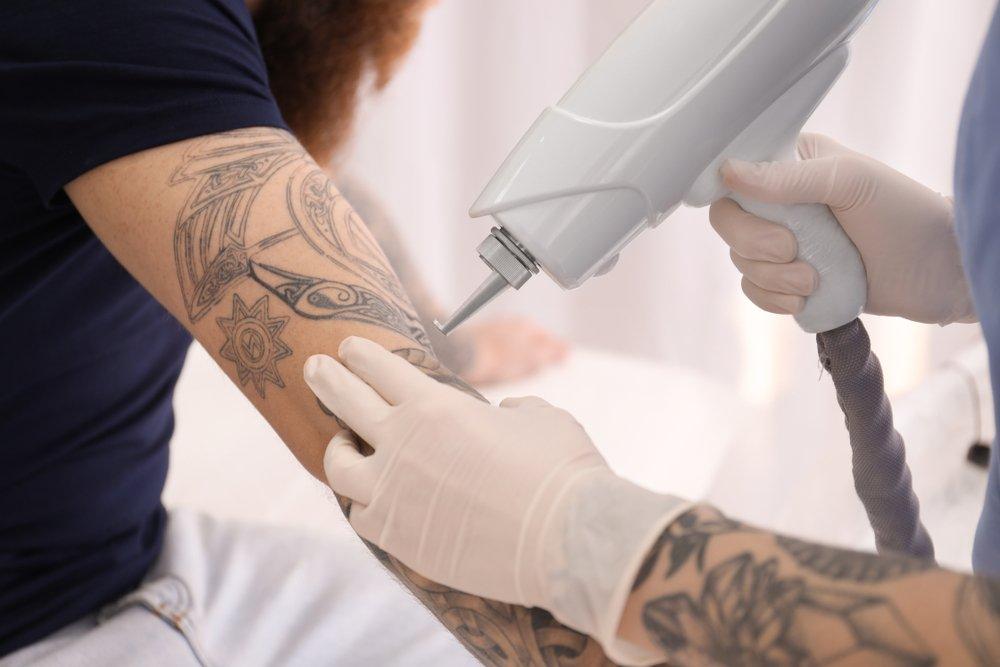
Aftercare following tattoo removal in Riyadh is a crucial part of ensuring effective results, minimizing side effects, and promoting proper skin healing. Tattoo removal, particularly laser-based treatments, involves breaking down ink particles in the skin using concentrated light energy. This process is safe and effective, but it leaves the skin temporarily sensitive, inflamed, and prone to complications if not properly cared for. Proper aftercare can speed up recovery, reduce discomfort, and help achieve the best possible fading of the tattoo over time. If you are considering getting rid of unwanted ink, permanent tattoo removal in Riyadh offers safe and effective options for all skin types.
Immediately after a tattoo removal session in Riyadh, the treated area may appear red, swollen, and slightly blistered. Some patients experience mild oozing or crusting as the skin reacts to the laser energy. These reactions are normal and indicate that the body is beginning the healing process. To support this process, the first step is keeping the area clean. Gently washing the skin with mild, fragrance-free soap and lukewarm water is recommended. Avoid scrubbing or using abrasive cloths, as this can damage the healing tissue. Patting the skin dry with a clean towel rather than rubbing is essential to prevent irritation.
Applying a thin layer of a recommended healing ointment or cream is an important aftercare step. Most clinics in Riyadh provide specific topical treatments that soothe the skin, reduce inflammation, and prevent infection. These ointments often contain ingredients that maintain skin moisture while allowing the body to naturally expel broken-down ink particles. Applying the ointment as directed—usually two to three times a day—helps accelerate the healing process. It is important not to over-apply, as excessive moisture can delay healing or cause skin maceration.
Protecting the treated area from sun exposure is another critical aspect of aftercare. Ultraviolet rays can darken the skin, increase the risk of hyperpigmentation, and interfere with healing. Patients in Riyadh, where sunlight can be intense, should cover the treated area with clothing or use a broad-spectrum sunscreen with a high SPF when outdoors. Avoiding tanning beds and prolonged sun exposure during the healing period is equally important.
Blistering and scabbing are common after laser tattoo removal. Patients should resist the temptation to pick, scratch, or peel off scabs, as this can lead to scarring, infection, and uneven fading. Allowing the skin to naturally slough off dead tissue ensures smoother healing and better cosmetic results. If any blistering occurs, a sterile, non-stick dressing may be applied to protect the area, especially when clothing might rub against it.
Hydration and overall skin care play a supportive role in recovery. Drinking plenty of water helps maintain skin elasticity and promotes healing from within. Moisturizers recommended by your specialist can help prevent excessive dryness, reduce itching, and keep the skin supple. Avoiding harsh chemical-based lotions, exfoliants, or retinoid products on the treated area is essential, as these can interfere with the healing process.
Pain and discomfort after a session are typically mild, but over-the-counter pain relievers can be used if necessary. It is best to follow your specialist’s guidance on which medications are safe to take after treatment. Alcohol and smoking should be minimized, as both can slow the body’s natural healing processes and impact immune function, potentially affecting the removal results.
Another critical aftercare tip is monitoring for signs of infection or unusual reactions. Redness and swelling are expected, but increasing pain, pus formation, or spreading redness may indicate an infection and require prompt medical attention. Similarly, prolonged changes in skin pigmentation or excessive scarring should be evaluated by your specialist. Riyadh clinics generally provide follow-up consultations to assess healing progress and make any necessary adjustments to treatment protocols.
Spacing between laser sessions is also an essential part of aftercare. Patients are typically advised to wait four to eight weeks between sessions, depending on skin response and the body’s ability to process ink fragments. Rushing sessions can cause cumulative trauma to the skin, increasing the risk of scarring or pigmentation issues. Using this waiting period to care for the skin and allow complete healing ensures that each subsequent session is more effective and safer.
Finally, lifestyle adjustments can enhance healing and improve tattoo removal outcomes. Maintaining a balanced diet rich in vitamins, minerals, and antioxidants supports skin regeneration and immune function. Wearing loose, breathable clothing reduces friction on the treated area, and avoiding strenuous activities that cause excessive sweating can prevent irritation or infection.
In summary, aftercare following tattoo removal in Riyadh involves a combination of proper cleaning, topical treatment, sun protection, hydration, and monitoring for complications. Following these guidelines helps the skin heal effectively, reduces the risk of side effects, and maximizes the cosmetic results of tattoo removal. By adhering to professional aftercare instructions and attending follow-up sessions, individuals can achieve a smoother, safer, and more successful tattoo removal experience in Riyadh.