
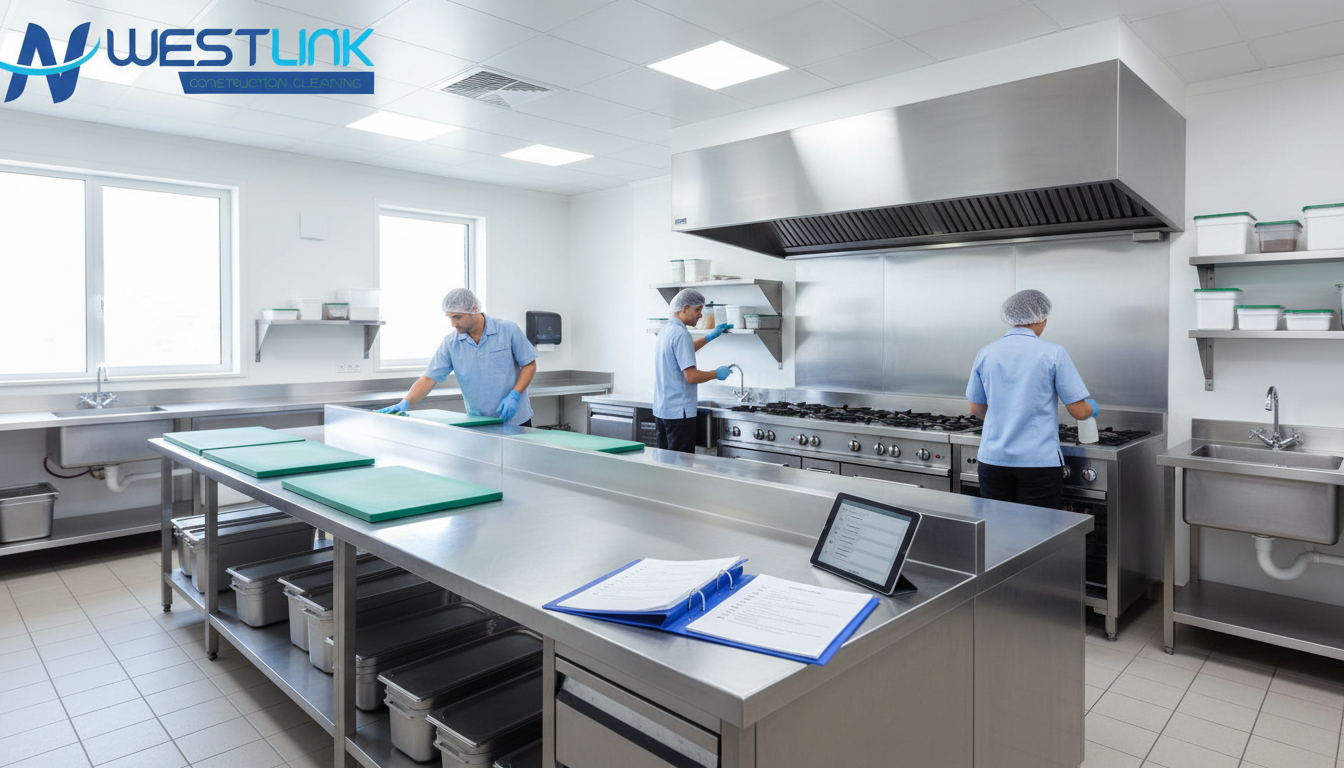
Why Professional Kitchen Hygiene Solutions Matter
Commercial kitchens operate as high-pressure environments where food safety, regulatory compliance, and operational efficiency intersect continuously. Every day, these spaces handle raw ingredients, prepare thousands of meals, manage intense heat and moisture, and accommodate constant staff activity. Within this demanding context, maintaining rigorous hygiene standards proves essential not merely for regulatory compliance but for protecting public health, preserving business reputations, and ensuring long-term operational success. Professional kitchen hygiene solutions address the complex, specialized cleaning challenges that commercial food preparation environments create, challenges that standard cleaning approaches cannot adequately manage. Understanding why professional expertise matters and how comprehensive hygiene programs protect businesses helps food service operators recognize these services as essential investments rather than optional expenses.
The Critical Importance of Professional Kitchen Hygiene
Kitchen hygiene extends far beyond visible cleanliness. It encompasses systematic practices preventing contamination, eliminating pathogen reservoirs, and maintaining conditions supporting safe food preparation across all operational phases.
Food Safety and Public Health Protection
Foodborne illness outbreaks cause serious health consequences and can devastate businesses through legal liability, regulatory sanctions, and permanent reputation damage. Bacteria including Salmonella, E. coli, Listeria, and norovirus thrive in improperly maintained kitchens, contaminating food and sickening customers.
Professional kitchen hygiene systematically addresses contamination pathways through proper cleaning, effective sanitization, and ongoing monitoring. These comprehensive approaches reduce pathogen populations to safe levels, breaking transmission chains before they reach consumers.
Vulnerable populations face particularly severe foodborne illness consequences. Children, elderly individuals, pregnant women, and immunocompromised people can experience life-threatening complications from contamination that might cause mild illness in healthy adults. Professional hygiene standards protect all customers including these high-risk groups.
Regulatory Compliance and Legal Obligations
Food safety regulations mandate specific hygiene standards, documentation requirements, and corrective action protocols. Health department inspections verify compliance, with violations triggering warnings, fines, operational restrictions, or closure orders.
HACCP principles, local health codes, and industry-specific standards all require documented hygiene programs. Professional hygiene solutions provide systematic approaches, appropriate products, and comprehensive documentation supporting regulatory compliance demonstrations during inspections and audits.
Legal liability for foodborne illness extends beyond regulatory penalties. Lawsuits from affected customers create substantial financial exposure. Documented professional hygiene programs demonstrate due diligence, often proving critical in defending against liability claims or mitigating damages.
Operational Efficiency and Business Continuity
Proper kitchen hygiene supports operational efficiency through multiple mechanisms. Clean equipment functions optimally, reducing energy consumption and preventing breakdowns. Organized, sanitary kitchens enable smooth workflows without hygiene-related disruptions.
Pest infestations triggered by inadequate hygiene force operational shutdowns for remediation. Professional hygiene prevents pest establishment, avoiding these costly disruptions. Regular professional service identifies developing issues before they escalate into emergencies requiring immediate attention.
Equipment longevity depends significantly on proper cleaning and maintenance. Grease accumulation accelerates corrosion. Mineral deposits reduce efficiency. Professional cleaning protects equipment investments, extending useful life and delaying replacement costs.
Common Hygiene Challenges in Commercial Kitchens
Commercial food preparation creates unique contamination risks and cleaning challenges requiring specialized knowledge and systematic management approaches.
Grease and Oil Buildup
Cooking operations generate substantial grease vapors that condense on every kitchen surface. Ranges, ovens, fryers, and grills release oils that settle on floors, walls, ceilings, equipment, and fixtures. This accumulation creates multiple serious problems.
Grease provides nutrients supporting bacterial growth. Films of grease harbor pathogens that contaminate food through direct contact or cross-contamination. Standard cleaning often removes visible grease while leaving residual films supporting continued microbial activity.
Floor grease creates dangerous slip hazards injuring staff and exposing businesses to workers' compensation claims and liability. Professional floor cleaning removes grease thoroughly while maintaining slip-resistant surface properties through appropriate products and techniques.
Fire hazards escalate as grease accumulates in hood systems, exhaust ducts, and on cooking equipment. Grease fires spread rapidly, causing extensive damage. Fire marshals inspect grease accumulation, citing violations that can restrict operations. Professional hood cleaning addresses these fire safety concerns while meeting regulatory requirements.
Bacteria, Mold, and Microbial Growth
Warm, moist environments with organic matter create ideal conditions for microbial proliferation. Commercial kitchens provide precisely these conditions, making ongoing bacterial and mold growth inevitable without proper hygiene management.
Food contact surfaces including cutting boards, prep tables, and equipment harbor bacteria when inadequately cleaned and sanitized. Biofilms develop in crevices, on gaskets, and in other difficult-to-clean locations, creating persistent contamination reservoirs that recontaminate cleaned surfaces.
Mold grows in damp areas with poor ventilation, particularly around sinks, dishwashing areas, and refrigeration units. Visible mold indicates serious hygiene failures, but hidden growth in walls, under equipment, or in drainage systems creates ongoing contamination even when surfaces appear clean.
Professional sanitization following proper cleaning eliminates microbial populations. Appropriate sanitizer selection, correct concentrations, adequate contact time, and verification testing ensure effective pathogen elimination rather than merely reducing visible contamination.
Cross-Contamination Risks
Cross-contamination occurs when pathogens transfer from contaminated sources to safe foods. Raw meats, unwashed vegetables, contaminated equipment, and even staff hands all serve as transmission vehicles spreading bacteria to ready-to-eat foods.
Despite staff training emphasizing separation, commercial kitchen workflows create numerous cross-contamination opportunities. Shared equipment, time pressures during busy service, and inadequate cleaning between uses all contribute to contamination transfer.
Effective hygiene solutions address cross-contamination through systematic surface sanitization, proper equipment cleaning protocols, and workflow designs minimizing contact between raw and cooked food preparation areas. These comprehensive approaches supplement procedural controls with environmental management reducing contamination opportunities.
High-Traffic and High-Moisture Areas
Constant staff movement throughout kitchens spreads contamination from floors to food preparation areas. Shoes track in outdoor soil, bathroom contaminants, and debris from storage areas. High-traffic zones accumulate particularly heavy soiling requiring intensive cleaning.
Moisture permeates commercial kitchens from cooking processes, cleaning activities, ice machines, and equipment condensation. This persistent dampness promotes microbial growth, accelerates surface deterioration, and creates slip hazards requiring ongoing management.
Drainage systems handle enormous waste and water volumes. Food particles, grease, and debris accumulate in drains creating blockages, odors, and bacterial reservoirs. Regular professional drain cleaning prevents these problems while eliminating contamination sources often overlooked in daily cleaning routines.
Food Residue and Waste Accumulation
Even careful food preparation generates substantial residue and waste. Vegetable trimmings, meat scraps, spilled ingredients, and packaging materials accumulate rapidly. Without systematic removal, these materials attract pests, support bacterial growth, and create unsanitary conditions.
Hidden accumulations behind equipment, in storage areas, and under counters escape daily cleaning attention. Professional deep cleaning addresses these overlooked areas systematically, preventing the buildup that triggers health violations and creates pest conducive conditions.
Waste handling areas require particular attention. Trash containers, dumpsters, and surrounding areas become contamination hotspots without proper cleaning. Professional services address these critical but often neglected zones maintaining overall kitchen hygiene.
The Role of Professional Kitchen Hygiene Solutions
Comprehensive professional programs address all kitchen hygiene dimensions through systematic cleaning, appropriate products, specialized equipment, and documented procedures.
Routine and Deep Cleaning Programs
Daily cleaning by kitchen staff maintains baseline hygiene, but professional deep cleaning supplements these efforts addressing accumulations and hidden contamination that routine cleaning misses. Scheduled professional service ensures consistent standards maintenance regardless of daily operational pressures.
Deep cleaning includes moving equipment to clean behind and underneath, addressing ceiling and high wall areas, thoroughly cleaning storage spaces, and removing all accumulated grease and residue. This intensive work prevents gradual deterioration of hygiene standards over time.
Frequency varies based on kitchen volume and food types prepared. High-volume operations require more frequent professional service. Establishments cooking particularly greasy foods need more intensive cleaning schedules. Professional services assess individual kitchen needs recommending appropriate service intervals.
Kitchen Hood, Exhaust, and Vent Cleaning
Kitchen exhaust systems require specialized cleaning addressing fire safety and hygiene concerns simultaneously. Grease accumulates throughout these systems from visible hood surfaces through hidden ductwork to exhaust fans, creating serious hazards.
Professional hood cleaning removes all grease accumulations using commercial degreasers, high-temperature pressure washing, and access equipment reaching deep into ductwork. This thorough cleaning reduces fire risks while eliminating grease that harbors bacteria and creates odors.
Regulatory requirements often mandate professional hood cleaning at specified intervals based on cooking volume and types. Documentation of professional service satisfies these requirements demonstrating compliance commitment during inspections and audits.
Sanitizing Food Preparation Areas
Food contact surfaces including prep tables, cutting boards, slicers, and mixers require proper sanitization following cleaning. Professional services ensure appropriate sanitizer selection, correct dilution, adequate application, and sufficient contact time achieving effective pathogen elimination.
Verification testing using sanitizer test strips confirms proper concentrations. Professional services document sanitization activities providing records supporting regulatory compliance and demonstrating systematic food safety management.
Non-food contact surfaces also receive attention as contamination spreads from these areas to food zones. Comprehensive programs address all surfaces systematically creating audit-ready conditions throughout kitchens rather than focusing narrowly on obvious food contact points.
Floor, Wall, and Ceiling Maintenance
Professional floor cleaning addresses grease, food residues, and heavy soiling while maintaining slip-resistant properties. Industrial equipment and commercial-grade products deliver thorough cleaning without creating hazards or damaging floor surfaces and protective sealants.
Walls accumulate grease, food splatter, and dust requiring regular professional cleaning. Areas near cooking equipment and sinks need particularly frequent attention. Tile grout harbors bacteria necessitating periodic deep cleaning and resealing maintaining sanitary surfaces.
Ceilings often receive insufficient attention despite accumulating grease, dust, and sometimes mold in damp areas. Professional services include ceiling cleaning preventing contamination from falling onto food preparation surfaces and creating unhygienic impressions during inspections.
Drain and Grease Trap Service
Kitchen drains harbor bacteria, develop biofilms, and create odors when not properly maintained. Professional drain cleaning eliminates these microbial reservoirs using mechanical cleaning and enzymatic or bacterial treatments breaking down organic accumulations.
Grease traps capture fats preventing sewer system contamination but require regular pumping and cleaning maintaining effectiveness. Professional grease trap service includes compliant disposal and documentation supporting regulatory requirements around waste management.
Preventive drain and grease trap maintenance proves far more cost-effective than emergency service responding to backups and flooding. Regular professional attention keeps these systems functioning properly while eliminating the contamination sources and odors that trigger health violations.
Equipment Cleaning and Maintenance
Cooking equipment including ranges, ovens, fryers, and grills accumulates grease and carbon in areas inaccessible during daily cleaning. Professional equipment cleaning addresses these hidden accumulations maintaining optimal performance and food safety.
Refrigeration units require regular professional cleaning maintaining efficient operation and preventing temperature control failures. Clean condensers, evaporators, and air circulation systems enable proper food temperature maintenance preventing the bacterial growth that occurs when refrigeration systems function poorly.
Ice machines, beverage dispensers, and other specialized equipment all require periodic professional cleaning addressing areas daily staff cleaning cannot reach. This comprehensive equipment maintenance supports both food safety and operational efficiency.
Pest Prevention and Management
Professional hygiene eliminates the food residues, moisture, and harboring sites that attract pests. Clean kitchens deny pests the conditions they need for establishment, making professional cleaning a critical component of Integrated Pest Management programs.
Collaboration between professional cleaning and pest control services creates synergistic protection. Cleaning removes attractants while pest services implement exclusion, monitoring, and targeted treatments. This coordinated approach provides superior protection compared to either service alone.
Documentation of professional cleaning supports pest management compliance requirements. Service records demonstrate systematic sanitation addressing conducive conditions, satisfying health inspector expectations for proactive pest prevention.
Benefits of Professional Kitchen Hygiene Solutions
Investing in comprehensive professional hygiene delivers multiple advantages across food safety, compliance, operational, and financial dimensions.
Enhanced Food Safety and Reduced Contamination Risk
Professional expertise in food safety microbiology, proper sanitization techniques, and comprehensive cleaning methodologies significantly reduces contamination risks. Trained professionals understand where pathogens hide and how to eliminate them effectively.
Specialized equipment including high-temperature pressure washers, industrial degreasers, and commercial sanitizer application systems delivers results standard kitchen cleaning cannot achieve. This equipment reaches difficult areas and applies products at concentrations and contact times ensuring genuine pathogen elimination.
Third-party professional services provide objective hygiene assessment. Internal staff may normalize declining standards, but professional services identify issues requiring attention before they create safety problems or trigger regulatory violations.
Regulatory Compliance and Inspection Readiness
Regular professional service maintains continuous compliance with health department standards, eliminating pre-inspection panic and reducing violation risks. Professional cleaning addresses all common inspection focus areas systematically.
Comprehensive documentation from professional services supports compliance demonstrations. Detailed service records prove systematic hygiene management meeting or exceeding regulatory requirements, often satisfying inspector concerns about cleaning frequency and thoroughness.
Professional services identify potential violations before inspectors notice them. Broad experience across numerous facilities provides insight into common inspection focus areas and frequently cited deficiencies, enabling proactive correction.
Operational Efficiency and Cost-Effectiveness
Outsourcing specialized cleaning allows kitchen staff to focus on food preparation rather than intensive hygiene tasks. This specialization improves both food quality and cleaning effectiveness as each function receives appropriate attention from qualified personnel.
Professional cleaning typically occurs during off-hours avoiding operational disruption. Scheduling flexibility enables thorough work without impacting service or customer experiences. Operations continue smoothly while comprehensive cleaning proceeds.
Equipment properly maintained through professional cleaning operates more efficiently. Clean refrigeration units maintain temperatures using less energy. Properly cleaned cooking equipment performs optimally. These efficiency gains offset service costs while extending equipment life.
Long-Term Equipment Protection
Proper professional cleaning extends equipment life by removing corrosive grease, preventing scale buildup, and identifying maintenance needs before failures occur. This preventive approach reduces replacement costs and equipment downtime.
Appropriate cleaning products and techniques prevent damage to expensive surfaces and equipment. Harsh chemicals or abrasive methods can etch stainless steel, damage protective coatings, and accelerate deterioration. Professional services select products protecting surfaces while cleaning effectively.
Early equipment issue detection during professional cleaning enables repairs before failures requiring emergency replacement. This proactive maintenance proves far more cost-effective than reactive replacement of failed equipment disrupting operations.
Enhanced Reputation and Customer Confidence
Consistent hygiene maintenance builds positive reputation among customers increasingly concerned about food safety. Visible commitment to professional hygiene standards differentiates establishments in competitive markets.
Good inspection scores when publicly available provide marketing advantages. Some operations prominently display ratings converting compliance into competitive differentiation attracting safety-conscious customers.
Staff morale benefits from working in clean, professionally maintained environments. This pride translates to better hygiene practices and enhanced safety culture throughout operations, creating positive reinforcement cycles improving overall food safety.
Selecting Appropriate Professional Services
Choosing qualified professional kitchen hygiene providers requires evaluation across multiple factors beyond simple price comparison.
Experience and Specialization
Verify potential services have specific commercial kitchen cleaning experience rather than only general commercial cleaning backgrounds. Kitchen environments present unique challenges requiring specialized knowledge and capabilities.
Request references from food service clients operating similar establishments. Speaking with other restaurant or hotel managers provides insights into reliability, quality, communication, and problem-solving capabilities.
Industry certifications and training demonstrate professional commitment. Services maintaining certifications in food safety, sanitation, or hospitality cleaning show dedication to specialized expertise beyond basic commercial cleaning.
Appropriate Equipment and Products
Assess equipment inventories ensuring services possess industrial-grade tools appropriate for commercial kitchen applications. Inadequate equipment limits effectiveness regardless of staff skill or effort.
Verify use of appropriate commercial-grade cleaning and sanitizing products. Professional services should maintain diverse product ranges addressing various surfaces, residues, and sanitization requirements. Eco-friendly options increasingly available appeal to environmentally conscious operators.
Comprehensive Service Scope
Evaluate whether services offer complete kitchen hygiene solutions or only limited specialized cleaning. Comprehensive providers addressing all kitchen cleaning needs simplify vendor management compared to coordinating multiple specialized contractors.
Services should include hood and exhaust cleaning, drain maintenance, floor care, equipment cleaning, and general kitchen sanitation. This breadth enables consistent quality and coordinated scheduling across all hygiene elements.
Documentation and Compliance Support
Professional services should provide detailed documentation of all work performed. Service records specifying areas cleaned, products used, and any findings identified support regulatory compliance and internal quality management.
Electronic documentation platforms increasingly replace paper logs. Digital records offer improved accessibility, searching, and compliance reporting capabilities. Some services integrate documentation with client management systems streamlining record keeping.
Safety and Insurance
Verify comprehensive insurance coverage including public liability and workers' compensation. Appropriate coverage protects all parties if accidents occur during service delivery. Request certificates of insurance confirming current policies.
Services should maintain documented safety programs addressing work-at-height risks, chemical handling, and equipment operation. Professional safety management indicates serious, responsible operations protecting workers and clients.
Conclusion
Professional kitchen hygiene solutions represent essential investments protecting public health, ensuring regulatory compliance, supporting operational efficiency, and preserving business reputations. The complex challenges commercial kitchens present, from grease accumulation and microbial growth to cross-contamination risks and high-moisture environments, exceed the capabilities of daily staff cleaning alone. Comprehensive professional programs address these challenges systematically through specialized expertise, commercial-grade equipment, appropriate products, and documented procedures that standard approaches cannot replicate.
The benefits professional services deliver, including enhanced food safety, consistent regulatory compliance, operational efficiencies, equipment protection, and improved reputations, justify investment across food service establishments of all types and sizes. From restaurants and hotels to catering operations, institutional food service, and food production facilities, professional kitchen hygiene partnerships provide the systematic approaches modern food safety demands. By recognizing professional hygiene as essential rather than optional, food service operators protect their customers, staff, licenses, and business investments while focusing on their core mission of providing excellent food and service to their communities.