
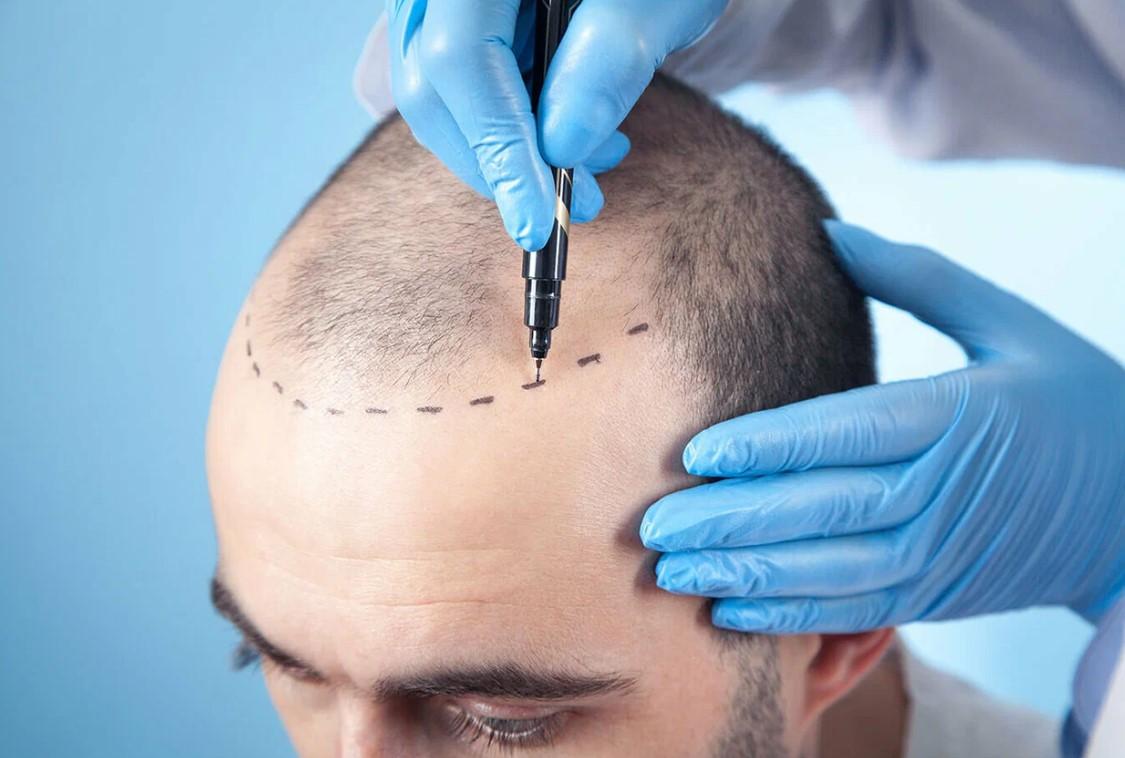
Hair transplantation has become an increasingly popular solution for individuals experiencing hair loss in Dammam. With advances in technology and surgical techniques, patients now have options that provide natural-looking, long-lasting results. Among these options, Follicular Unit Extraction (FUE) and Follicular Unit Transplantation (FUT) are the two primary methods used by clinics in Dammam. Understanding the differences, advantages, and limitations of each method is essential for anyone considering hair restoration. Hair transplant in Dammam is a reliable option for individuals seeking natural-looking hair restoration and long-term improvement in hair density.
Both FUE and FUT share the same fundamental goal: relocating healthy hair follicles from a donor area, usually the back or sides of the scalp, to areas affected by thinning or baldness. However, the techniques used to harvest and transplant these follicles differ significantly, impacting recovery, scarring, and overall results.
Follicular Unit Extraction (FUE) is a minimally invasive technique in which individual hair follicles are extracted directly from the donor area using a specialized small punch tool. Each follicle is carefully harvested and then implanted into tiny incisions in the recipient area. Because FUE involves no large incision, the resulting scars are minimal and appear as tiny, nearly invisible dots. This makes FUE particularly appealing for patients who prefer short hairstyles or are concerned about visible scarring. Recovery time for FUE is generally faster than FUT, with most patients resuming normal activities within a few days. Additionally, the precision of FUE allows surgeons to place each follicle at the ideal angle and density, creating natural-looking hairlines and coverage.
FUE is versatile and can be used not only on the scalp but also for eyebrow, beard, and even body hair transplantation. However, the procedure is often more time-consuming than FUT because each follicle must be extracted individually. It may also be slightly more expensive, reflecting the labor-intensive nature of the method. FUE is particularly suited for patients with mild to moderate hair loss or those seeking cosmetic refinement in sensitive areas.
Follicular Unit Transplantation (FUT), also known as the strip method, is a more traditional approach. In FUT, a strip of scalp is surgically removed from the donor area, usually from the back of the head. This strip is then dissected into individual follicular units under a microscope and transplanted into the thinning or bald areas. FUT allows surgeons to harvest a larger number of grafts in a single session, making it an efficient option for patients with extensive hair loss who require high-density coverage.
The primary disadvantage of FUT is that it leaves a linear scar at the donor site. While this scar can be concealed by surrounding hair, it may be noticeable if the hair is worn very short. Recovery for FUT can also be slightly longer than FUE due to the stitches required to close the donor site. On the other hand, FUT tends to be cost-effective for large sessions and can provide an ample supply of grafts for long-term restoration.
When comparing FUE and FUT in terms of outcomes, both methods can produce excellent, natural-looking results when performed by skilled surgeons. The choice between them often depends on patient priorities. For instance, if minimal scarring and faster recovery are the top considerations, FUE is usually recommended. Conversely, for patients requiring a large number of grafts in a single session, FUT may be more appropriate. The patient’s scalp characteristics, hair type, and pattern of hair loss also influence the decision. Some patients may even benefit from a combination of both methods, especially if multiple sessions are needed for full restoration.
Pain and discomfort during and after surgery are typically mild in both FUE and FUT. Local anesthesia is used during the procedure, and post-operative pain is manageable with medications. Scabbing, redness, and mild swelling are common in both methods and generally resolve within a week or two. Patients are advised to avoid strenuous activities, direct sun exposure, and scratching the scalp during the early stages of recovery to protect the transplanted follicles.
Long-term maintenance is similar for both methods. Once the follicles have fully grown, the transplanted hair behaves like natural hair. Patients can cut, style, and wash their hair normally. Hair growth usually becomes noticeable around three to four months post-surgery, with significant improvement by six to nine months and full maturation within 12 to 15 months.
In conclusion, both FUE and FUT are highly effective hair transplant methods available in Dammam. FUE offers minimal scarring, faster recovery, and precise placement, making it ideal for patients seeking cosmetic finesse and flexibility in styling. FUT allows for a larger graft yield in a single session, providing an efficient solution for extensive hair loss. The choice between these techniques should be made in consultation with a qualified hair transplant specialist, taking into account the patient’s hair loss pattern, goals, and preferences. With proper planning, either method can restore hair density, enhance appearance, and improve self-confidence.