
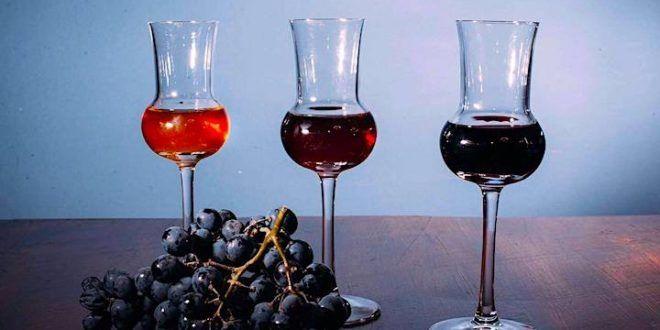
In recent years, the way people think about drinking has changed dramatically. Wellness, balance, and mindful choices have become more important than ever before. While wine has traditionally been associated with relaxation, celebrations, and social gatherings, many individuals are now looking for ways to enjoy the same sophisticated experience without the effects of alcohol. This shift has led to the growing popularity of non-alcoholic wine, a modern beverage that delivers rich flavor, aroma, and style while supporting a healthier lifestyle.
What was once seen as a niche product has now become a mainstream favorite. From restaurants and weddings to home dinners and corporate events, alcohol-free wine is becoming a common sight. It allows people to participate fully in social moments while staying clear-headed, energized, and in control. For those who want taste without intoxication, it offers the perfect solution.
What Makes Alcohol-Free Wine Different
Unlike sugary soft drinks or simple grape juice, alcohol-free wine is produced using the same traditional winemaking methods as regular wine. Grapes are harvested, crushed, fermented, and aged to develop authentic flavor profiles. The key difference is that the alcohol is carefully removed at the final stage using advanced techniques such as vacuum distillation or reverse osmosis.
These processes preserve the wine’s natural aromas, textures, and complexity. As a result, the beverage still tastes like wine, not juice. You can detect fruity notes, subtle acidity, tannins, and even oak undertones, depending on the variety. This careful craftsmanship is what sets non-alcoholic wine apart from other alcohol substitutes and makes it a truly enjoyable alternative.
Why More People Are Choosing Alcohol-Free Options
The growing demand for alcohol-free beverages is driven by several lifestyle changes. Health awareness plays a major role. People today are paying closer attention to what they consume, reading labels, and reducing unnecessary calories. Alcohol can interfere with sleep, hydration, and overall wellness, so many consumers are choosing to cut back or eliminate it altogether.
Another reason is productivity. Without alcohol, mornings feel fresher and energy levels stay higher throughout the day. Professionals, parents, and students appreciate being able to socialize at night without feeling sluggish the next morning. Choosing non-alcoholic wine helps maintain balance between enjoyment and responsibility.
There’s also a cultural shift happening. Mindful drinking has become a respected choice rather than something unusual. More people are prioritizing mental clarity and emotional well-being, and alcohol-free beverages align perfectly with these values.
A Wide Variety of Styles and Flavors
One of the biggest misconceptions about alcohol-free wine is that it lacks variety. In reality, the selection is broader than ever. Today, you can find rich reds, crisp whites, refreshing rosés, and sparkling options suitable for celebrations.
Red varieties often feature flavors of dark berries, plum, and spices, making them ideal for pairing with hearty meals. White options offer citrus, apple, and floral notes that complement lighter dishes. Sparkling choices bring festive bubbles to special occasions, while rosés deliver a fresh and fruity experience for warm afternoons.
This diversity ensures there is something for every palate. Whether you prefer bold or light, dry or slightly sweet, there’s an option that suits your taste perfectly.
Perfect for Social Gatherings and Celebrations
Wine is often more about the ritual than the alcohol itself. Holding a glass, sharing a toast, and enjoying a meal together are traditions that connect people. Alcohol-free wine allows everyone to participate in these moments without limitations.
At weddings and parties, guests who don’t drink can still join in the celebration. At business dinners, professionals can maintain a polished presence without worrying about alcohol’s effects. Family events become more inclusive, ensuring everyone feels comfortable.
Serving non-alcoholic wine also shows thoughtfulness as a host. It acknowledges different preferences and lifestyles, creating an environment where all guests feel welcome. This small addition can make gatherings more enjoyable and memorable for everyone involved.
Health Benefits Worth Considering
Reducing alcohol intake offers several physical benefits. Alcohol-free wine generally contains fewer calories, making it helpful for those watching their weight. It also avoids the dehydration commonly caused by alcoholic beverages, which can lead to headaches and fatigue.
Better sleep is another advantage. Alcohol often disrupts natural sleep cycles, leaving people feeling tired the next day. Choosing alcohol-free options supports deeper, more restorative rest. Additionally, it promotes better concentration and mood stability, which are essential for daily productivity.
For pregnant individuals, designated drivers, or people taking certain medications, alcohol-free wine provides a safe and enjoyable alternative. They can still experience the elegance of wine without risking their health.
Improved Taste and Modern Technology
Years ago, alcohol-free wines were sometimes criticized for tasting flat or overly sweet. Thankfully, that has changed. Modern winemakers use advanced techniques to maintain the structure and depth that wine lovers expect.
Today’s alcohol-free wines often undergo similar aging processes as traditional wines. Some are matured in oak barrels, while others are carefully blended to achieve balance and complexity. These innovations have significantly improved taste and mouthfeel.
As a result, many people can’t even tell the difference at first sip. The experience is authentic, satisfying, and refined. This quality improvement is one of the main reasons why Non-Alcoholic Wine has gained widespread acceptance in recent years.
How to Choose the Best Bottle
If you’re new to alcohol-free wine, start with familiar styles. If you usually enjoy cabernet sauvignon or merlot, try similar alcohol-free reds. If you prefer lighter drinks, a sauvignon blanc or sparkling option may suit you better.
Pay attention to brand reputation and production methods. High-quality producers focus on preserving natural flavors rather than adding artificial sweeteners. Reading reviews or trying sampler packs can help you discover your favorites.
Serving the wine properly also enhances the experience. Chill whites and sparkling wines, and allow reds to breathe slightly before pouring. Using proper glassware adds elegance and helps release aromas.
A Sustainable and Responsible Choice
Many alcohol-free brands are also committed to sustainability. Organic vineyards, eco-friendly packaging, and responsible farming practices are becoming increasingly common. This appeals to consumers who want products that align with their ethical values.
Choosing alcohol-free wine often means supporting companies that care about both personal health and environmental impact. This makes each purchase feel more meaningful and responsible.
As more people embrace mindful living, sustainability will continue to play an important role in purchasing decisions.
The Future of Alcohol-Free Drinking
The market for alcohol-free beverages is expanding rapidly. Supermarkets, restaurants, and online stores now offer dedicated sections for these products. As demand increases, more wineries are investing in research and development to create even better flavors.
It’s clear that alcohol-free wine is not just a temporary trend. It represents a long-term shift toward balance and conscious consumption. People no longer want to choose between fun and health—they want both.
With improved quality, growing availability, and strong consumer interest, Non-Alcoholic Wine is set to remain a staple in modern lifestyles.
Conclusion
Wine has always symbolized connection, celebration, and enjoyment. Today, you don’t need alcohol to experience those traditions. Non-Alcoholic Wine offers the same sophistication, flavor, and social experience without the drawbacks of intoxication.
Whether you’re focused on health, responsible driving, or simply prefer staying clear-headed, alcohol-free wine provides a stylish and satisfying alternative. As more people discover its benefits, it continues to redefine what it means to drink mindfully.