
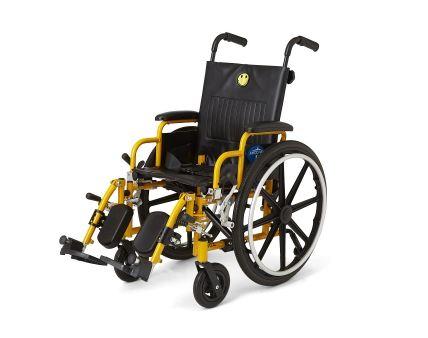
Choosing the right wheelchair is an important decision that directly affects comfort, mobility, and independence. Whether you are searching for lightweight manual wheelchairs for easier transport or a pediatric wheelchair designed specifically for children, understanding your options helps you buy a wheel chair that truly meets your needs.
Manual wheelchairs remain one of the most reliable and widely used mobility solutions. They are durable, practical, and suitable for both short-term recovery and long-term mobility support.
Understanding Lightweight Manual Wheelchairs
Lightweight manual wheelchairs are designed to reduce overall weight while maintaining durability and strength. Compared to standard wheelchairs, they are easier to push, lift, and transport.
Benefits of Lightweight Manual Wheelchairs
Easier self-propelling for users
Reduced strain on caregivers
Simple transportation in vehicles
Improved maneuverability indoors
Convenient storage when not in use
Many lightweight manual wheelchairs are constructed from aluminum frames, making them strong yet easier to handle. This design is ideal for active users who travel frequently or need to move the chair in and out of a car.
Key Features to Consider Before You Buy a Wheel Chair
Before making a purchase, it is important to evaluate several factors to ensure comfort and long-term usability.
Frame Material
Aluminum frames are lighter and rust-resistant. Steel frames may be more durable but are heavier.
Seat Width and Depth
Proper seat sizing ensures comfort and prevents pressure sores. The user’s hip width and thigh length should guide seat selection.
Weight Capacity
Every wheelchair has a specific weight limit. Always select a model that comfortably supports the user’s body weight.
Wheel Type
Large rear wheels are ideal for self-propelling. Smaller rear wheels are better for caregiver-assisted mobility.
Foldability
Many lightweight manual wheelchairs offer foldable frames for easy storage and transport.
Taking time to assess these features ensures that when you buy a wheel chair, it matches both medical needs and lifestyle requirements.
Pediatric Wheelchair: Designed for Growing Children
A pediatric wheelchair is specifically engineered for children who require mobility assistance. These chairs are smaller in size and offer adjustable components to accommodate growth.
Unlike adult wheelchairs, pediatric models focus on posture support, comfort, and adaptability.
Important Features of a Pediatric Wheelchair
Adjustable seat depth and height
Supportive backrest for posture alignment
Safety belts and anti-tip wheels
Lightweight frame for easier handling
Colorful and child-friendly designs
Because children are still developing physically, proper posture and ergonomic support are essential. A well-fitted pediatric wheelchair helps promote healthy spinal alignment and safe mobility.
When Should You Choose a Lightweight Manual Wheelchair?
Lightweight manual wheelchairs are suitable for individuals who:
Have upper body strength to self-propel
Need a chair that is easy to transport
Travel frequently
Require temporary mobility support
Prefer a more compact mobility device
These chairs are especially useful for individuals recovering from surgery or injury who need short-term assistance.
How to Buy a Wheel Chair for Long-Term Use
If the wheelchair will be used daily for extended periods, comfort and durability become even more important.
Prioritize Cushioning
Pressure-relief cushions help prevent skin breakdown and improve comfort during prolonged sitting.
Consider Armrest and Footrest Options
Removable or adjustable armrests and footrests make transfers easier and improve comfort.
Evaluate Portability
Even if used daily, foldable lightweight manual wheelchairs provide added convenience for transportation.
Check Maintenance Requirements
Choose models with durable wheels and easy-to-clean upholstery for long-term reliability.
When you buy a wheel chair for long-term use, investing in quality and proper fitting makes a significant difference in user satisfaction.
Pediatric Wheelchair Selection Tips for Parents
Selecting a pediatric wheelchair requires extra attention to growth and adaptability.
Growth Adjustability
Look for adjustable seat width and depth so the chair can adapt as the child grows.
Comfort and Support
Children may spend extended hours seated, so ergonomic back support and padding are essential.
Mobility Needs
Consider whether the child will self-propel or rely on caregiver assistance.
Safety Features
Anti-tip bars and secure harness systems provide additional safety during movement.
A properly selected pediatric wheelchair encourages independence while maintaining safety and comfort.
Comparing Lightweight Manual Wheelchairs to Standard Models
Lightweight manual wheelchairs are typically 10 to 20 pounds lighter than standard wheelchairs. This difference may seem small, but it greatly impacts usability.
Standard wheelchairs may be suitable for occasional use or clinical settings, while lightweight options are better for daily mobility and active lifestyles.
If portability and ease of use are priorities, lightweight manual wheelchairs are often the better investment.
Where to Buy a Wheel Chair
When purchasing a wheelchair, choosing a trusted medical equipment provider ensures:
Proper sizing assistance
Access to reputable brands
Guidance on accessories
Insurance documentation support if needed
Reliable after-sales service
Trying the wheelchair before purchase, when possible, helps confirm comfort and functionality.
Conclusion
Whether you are exploring lightweight manual wheelchairs for convenience and mobility or searching for a pediatric wheelchair designed for a child’s unique needs, selecting the right model requires careful consideration.
When you buy a wheel chair, focus on comfort, safety, adjustability, and long-term usability. A well-chosen wheelchair enhances independence, improves mobility, and supports overall quality of life.
Taking the time to evaluate your options ensures that the wheelchair you choose provides reliable support for everyday activities and long-term mobility needs.