
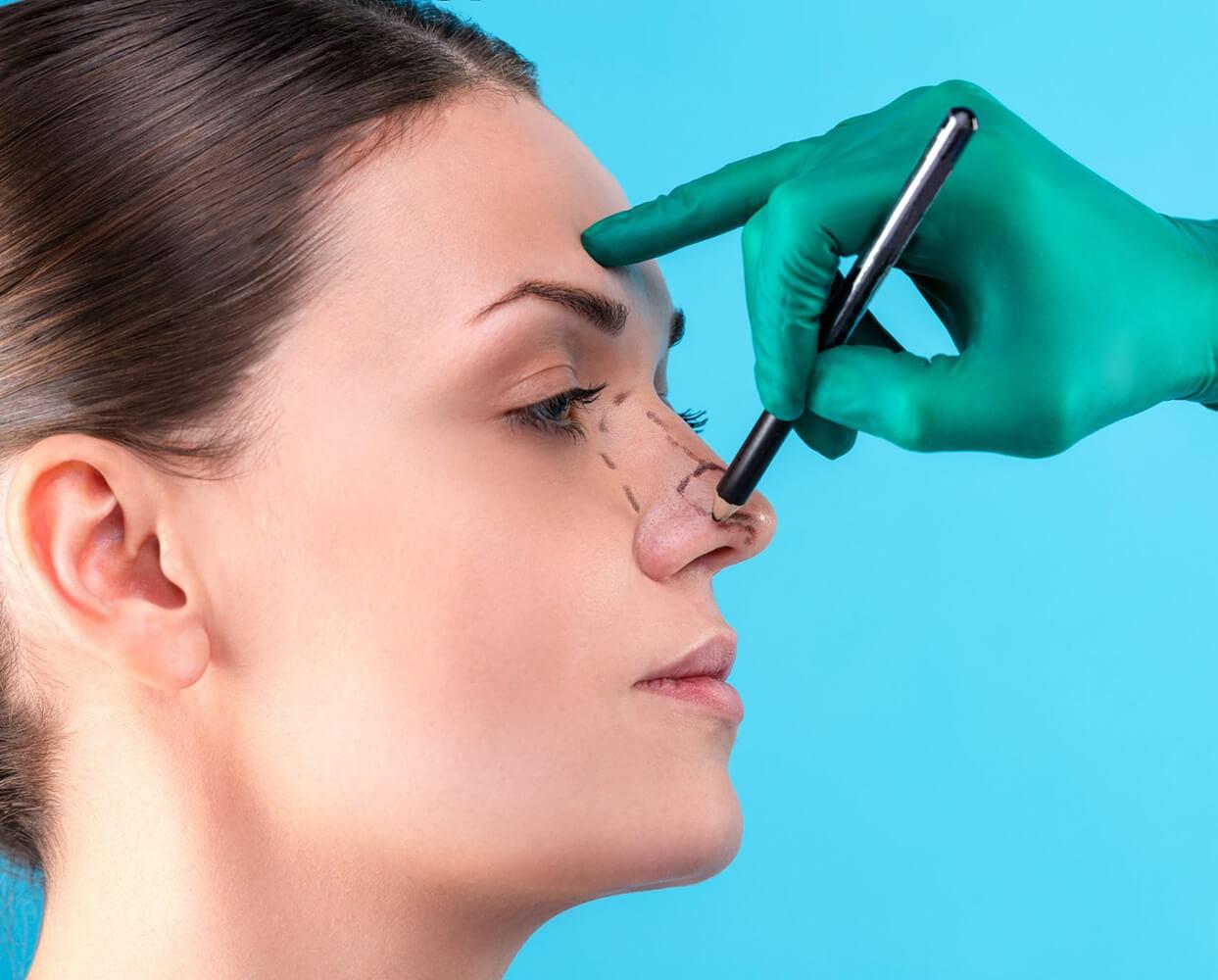
Rhinoplasty, often referred to as a “nose job,” is a complex surgical procedure aimed at enhancing the appearance or function of the nose. In Riyadh, the procedure has gained popularity as more individuals seek facial harmony and improved nasal function. While rhinoplasty is generally safe when performed by an experienced surgeon, it is important for patients to understand that, like all surgeries, it carries potential risks and complications. Being aware of these factors helps patients make informed decisions and take steps to minimize issues before, during, and after surgery. Rhinoplasty in Riyadh has become increasingly popular as more people seek both aesthetic and functional improvements for their noses.
One of the most common concerns after rhinoplasty is swelling and bruising. These are natural responses to the surgical manipulation of nasal tissues. Swelling usually affects the entire nose, sometimes extending to the cheeks and under-eye areas. Bruising is particularly common around the eyes and can last for several days to a week. While these effects are temporary, severe swelling or prolonged bruising may indicate complications or the need for additional care. Surgeons in Riyadh often advise patients on techniques to reduce swelling, such as elevating the head, applying cold compresses in the initial days, and avoiding strenuous activity.
Infection is another potential risk, although it is relatively uncommon when proper surgical protocols are followed. Rhinoplasty involves incisions inside or sometimes outside the nose, creating potential entry points for bacteria. Signs of infection may include redness, warmth, excessive pain, or discharge. Patients are typically prescribed antibiotics and instructed on maintaining nasal hygiene to minimize this risk. Seeking immediate medical attention if any signs of infection arise is critical to prevent more serious complications.
Bleeding is a possible complication during or after rhinoplasty. While minor bleeding is common and usually resolves on its own, excessive or persistent bleeding can occur in some cases. Patients are advised to avoid blood-thinning medications, alcohol, and smoking before surgery, as these can increase the risk of bleeding. In rare situations, additional medical intervention may be required to control hemorrhage.
Another concern is asymmetry or dissatisfaction with the cosmetic outcome. Despite careful planning and surgical expertise, some patients may feel that their nose does not meet their expectations. This can occur due to differences in healing, subtle changes in tissue, or unrealistic expectations. Surgeons in Riyadh emphasize the importance of preoperative discussions, using imaging tools to simulate outcomes, and ensuring that patients have a realistic understanding of achievable results. In some cases, revision rhinoplasty may be necessary to correct minor imperfections or achieve better balance.
Scarring is generally minimal in rhinoplasty, especially with closed techniques where all incisions are inside the nostrils. Open rhinoplasty involves a small incision on the columella, which typically heals well and becomes almost invisible over time. However, patients with a tendency for keloid formation or poor wound healing may notice more prominent scarring. Proper post-operative care and adherence to surgeon instructions can help minimize this risk.
Nasal obstruction or breathing difficulties can sometimes develop after rhinoplasty. Changes to the nasal structure, such as narrowing of the nostrils or modification of the septum, can impact airflow. Patients who undergo functional rhinoplasty or corrective procedures for a deviated septum usually experience improved breathing, but in some cases, swelling or structural changes may temporarily or persistently affect airflow. Follow-up evaluations are essential to address any functional concerns promptly.
Skin and tissue issues may also arise, particularly in patients with thin skin. These issues include prolonged numbness, skin discoloration, or irregularities in the nasal contour. Swelling can persist for months, and subtle changes in shape may continue to evolve over time. Patients should be aware that the final results of rhinoplasty may take up to a year to fully appear, and temporary irregularities are not uncommon.
Anesthesia-related complications are rare but important to consider. Rhinoplasty is usually performed under general anesthesia, although local anesthesia with sedation may be an option for select cases. Potential risks include allergic reactions, respiratory issues, or cardiovascular complications. Preoperative medical assessments help identify patients at higher risk and ensure safe anesthesia management.
In addition to these physical risks, rhinoplasty may have psychological effects. Some patients experience emotional adjustment challenges during recovery, particularly if swelling delays the appearance of the final results. Maintaining realistic expectations and having a supportive environment during the healing process can reduce stress and enhance satisfaction.